
Your 7-day Egypt itinerary, easier than ever
Explore 5,000 years of history on this 7-day tour of Egypt. Cairo has 20 million inhabitants, while Luxor boasts 63 royal tombs. Each day brings new wonders, such as the 4,000-year-old Pyramids of Giza.
This travel plan takes you through temples, deserts, and Nile landscapes. It all fits into one week.
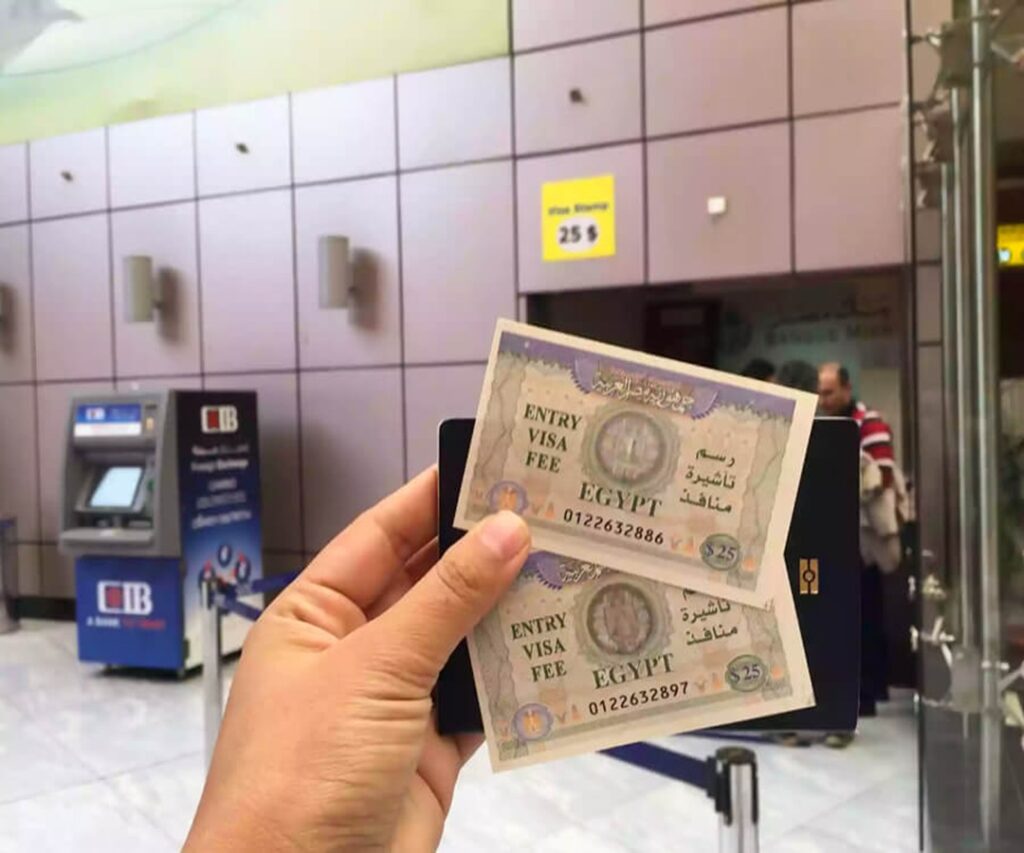
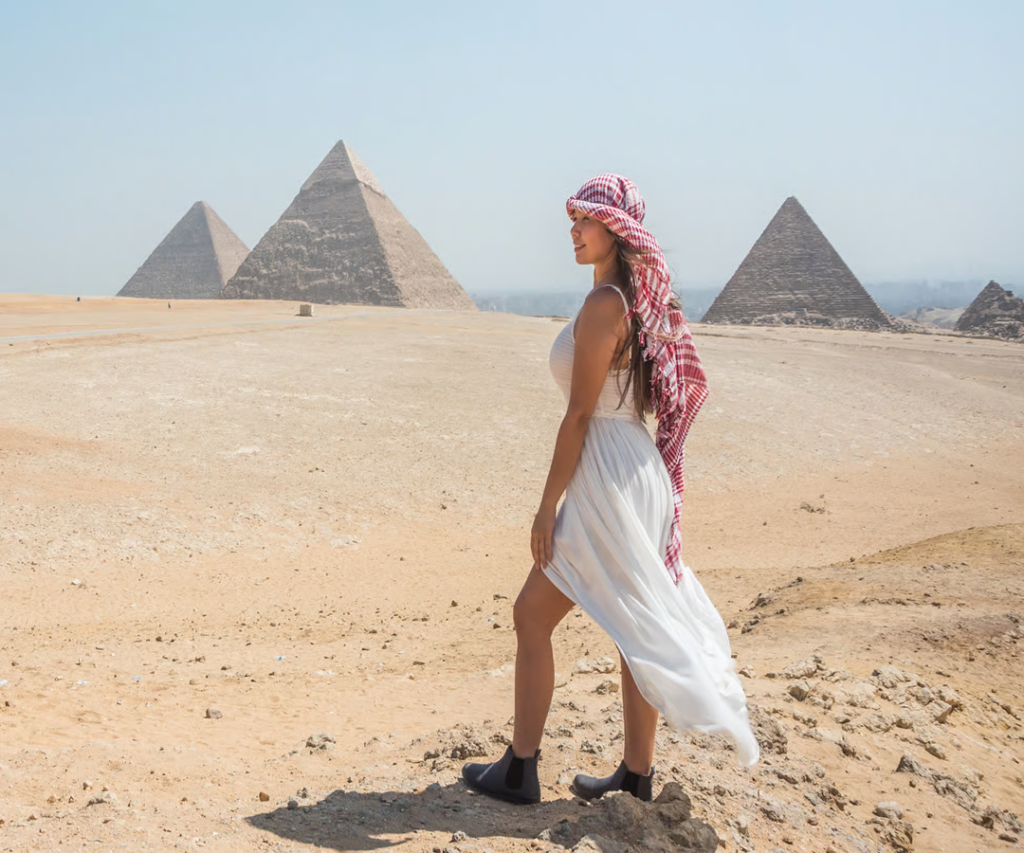
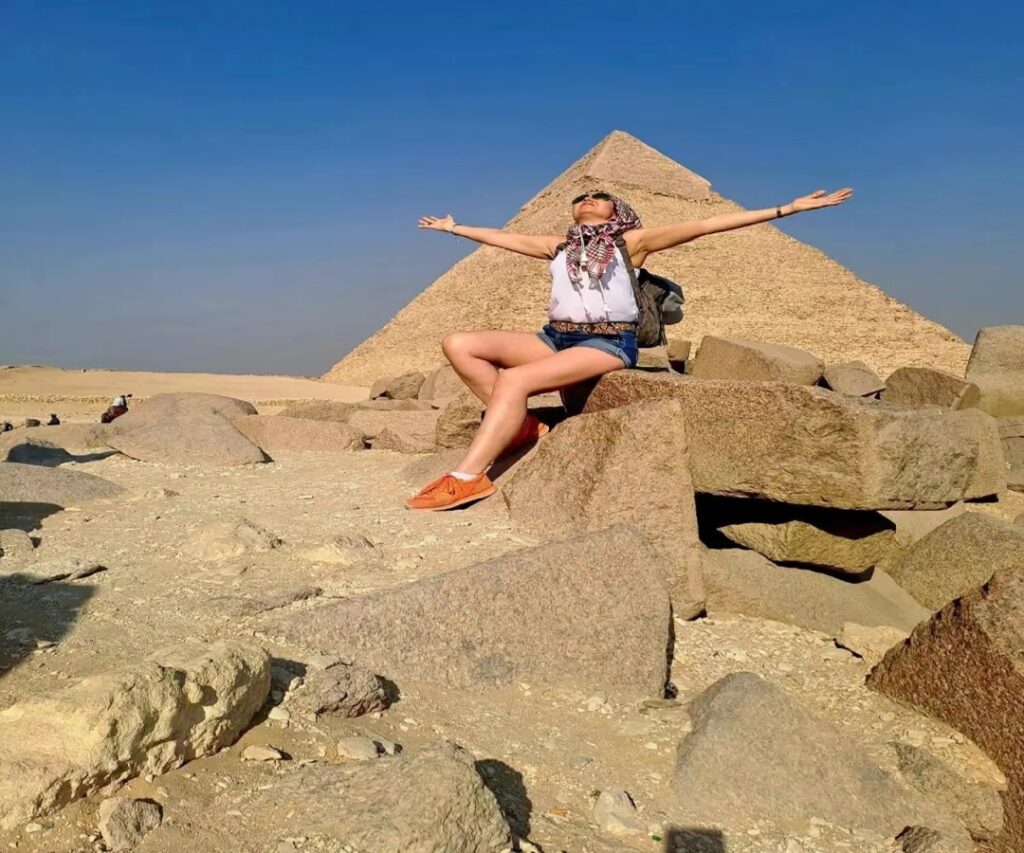
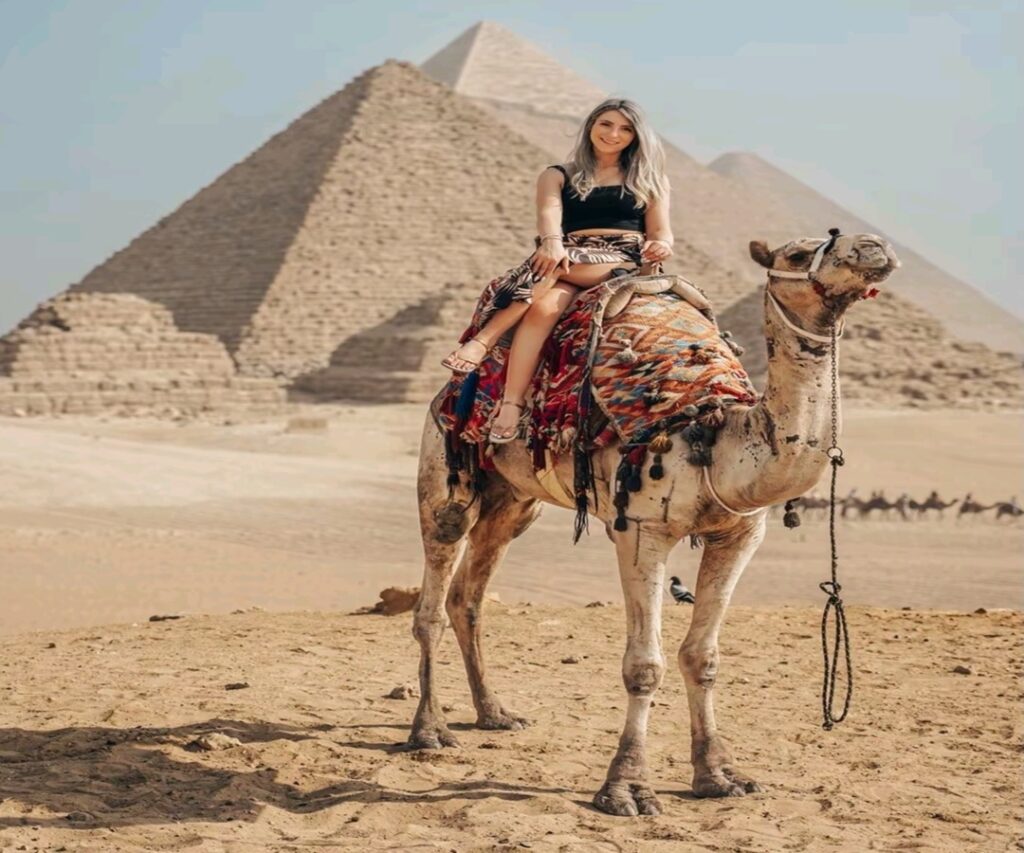
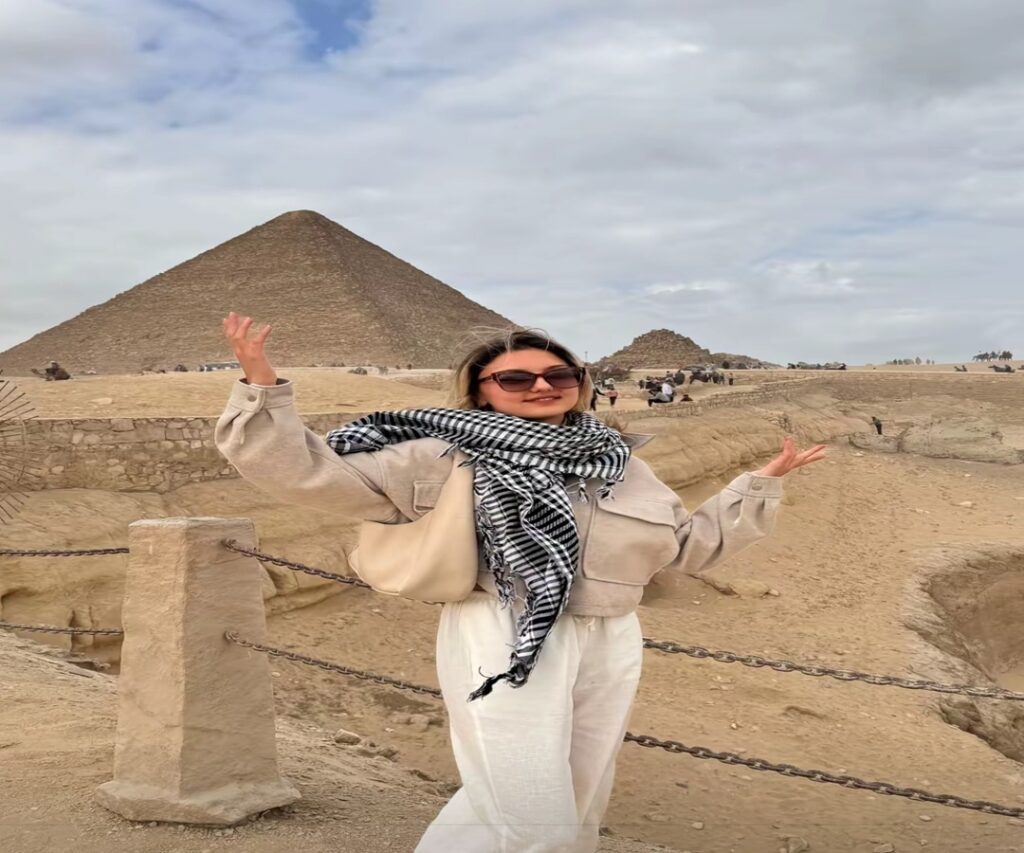
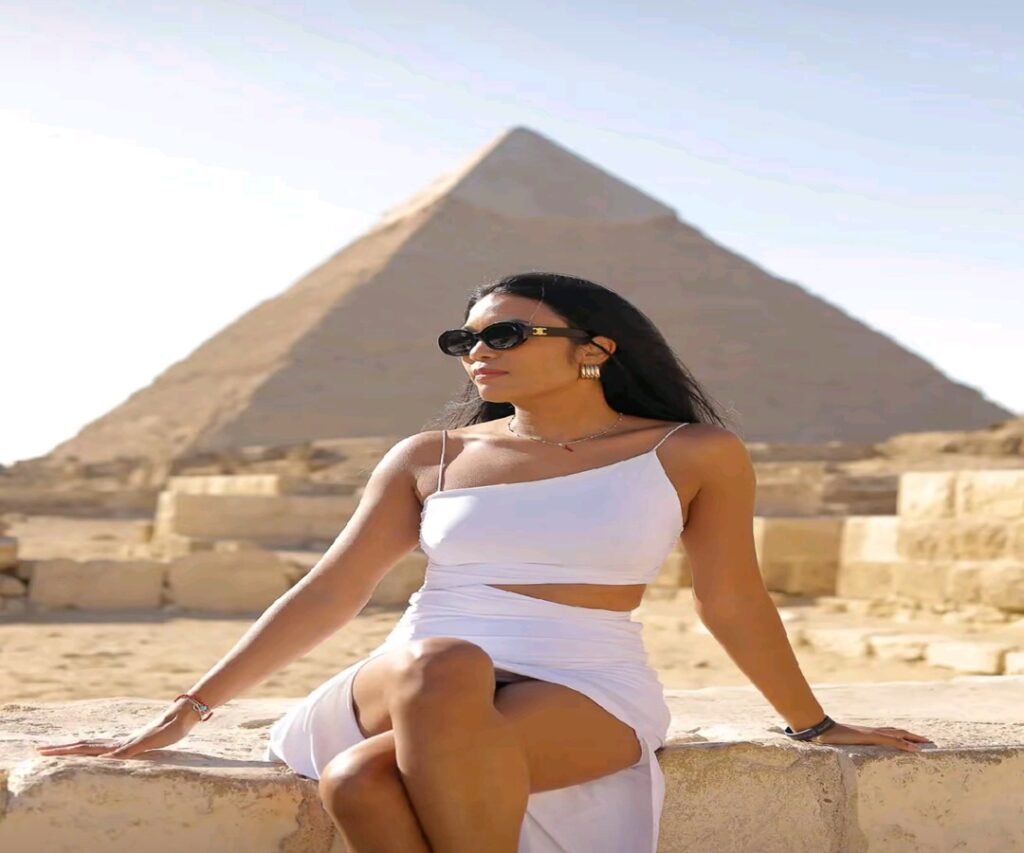
Begin at the 455-foot-tall Pyramid of Khufu in Giza. Then, visit the Temple of Karnak, which has grown over 2,000 years. Be aware of the visa requirements (US$25, flights from NYC or Tokyo) and the summer heat of 40°C (104°F).
Adjust your itinerary to 5 or 10 days if needed. With this guide, you'll be able to see all 63 tombs in the Valley of the Kings, the Aswan High Dam, and the Khan el-Khalili bazaar in Cairo. You won't miss any of the ancient wonders.
This travel plan takes you through temples, deserts, and Nile landscapes. It all fits into one week.
Begin at the 455-foot-tall Pyramid of Khufu in Giza. Then, visit the Temple of Karnak, which has grown over 2,000 years. Be aware of the visa requirements (US$25, flights from NYC or Tokyo) and the summer heat of 40°C (104°F).
Adjust your itinerary to 5 or 10 days if needed. With this guide, you'll be able to see all 63 tombs in the Valley of the Kings, the Aswan High Dam, and the Khan el-Khalili bazaar in Cairo. You won't miss any of the ancient wonders.
Planning your perfect week in the land of the pharaohs
Start planning your 7-day Egypt itinerary wisely. Egypt's history and climate require careful planning. Here are some tips for creating an excellent sightseeing program that combines ancient sites with modern travel.
Best time to visit Egypt
Avoid summer (June to August), when temperatures exceed 38°C (100°F). The best time is from September to April. November and February are cool and pleasant months.
Pack clothes for different weather conditions. Wear layers for morning temple visits. Then, change into lighter clothing for the afternoon.
Pack clothes for different weather conditions. Wear layers for morning temple visits. Then, change into lighter clothing for the afternoon.
Understanding Egypt's climate zones
- Cairo : A very hot desert, with temperatures exceeding 32°C (90°F) in summer. Winter is cooler, around 15°C–21°C (60°F–70°F).
- Luxor : Always sunny, but cooler in winter (16°C–24°C or 60°F–75°F). Summers are very hot.
- Aswan : Cooler than the south. Winter nights can be cold, but summers are warm and dry.
How much time will you need in each place
Here's how to make the most of your trip:
- Cairo (2 days) : Visit the Egyptian Museum, home to over 120,000 artifacts. Don't miss the Pyramids of Giza, including the enormous Pyramid of Khufu.
- Luxor (2–3 days) : Explore the Temple of Karnak and the Valley of the Kings. These sites are thousands of years old.
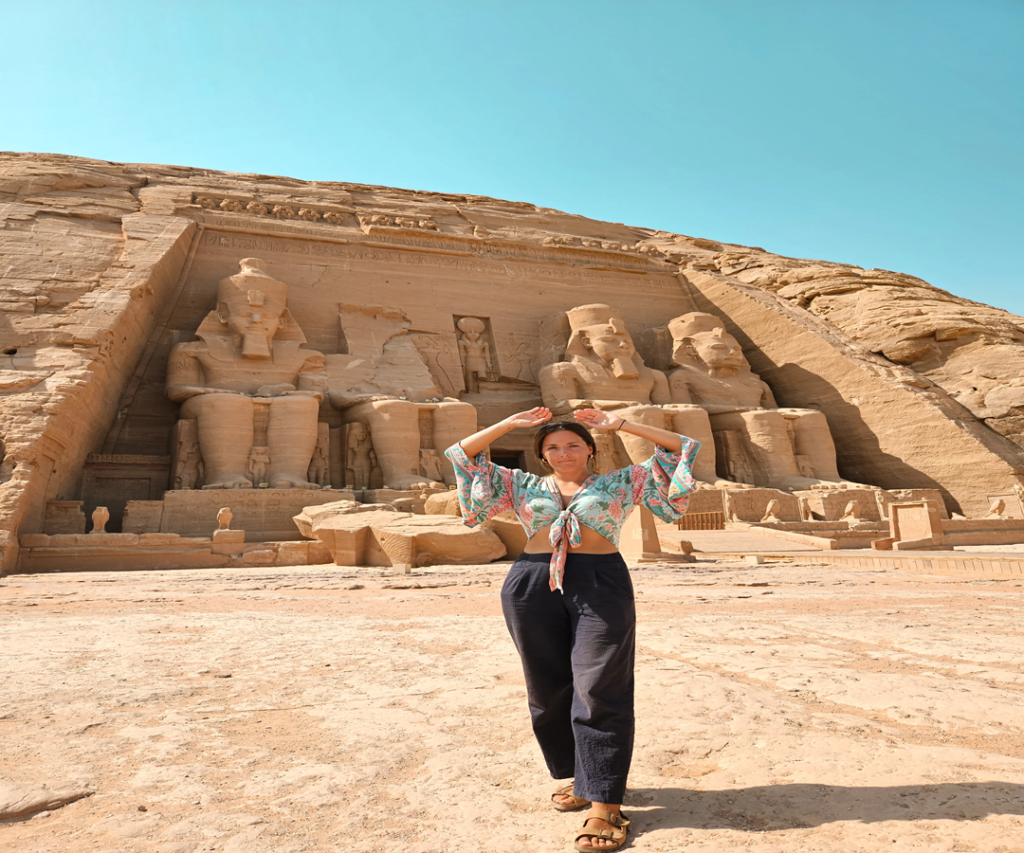
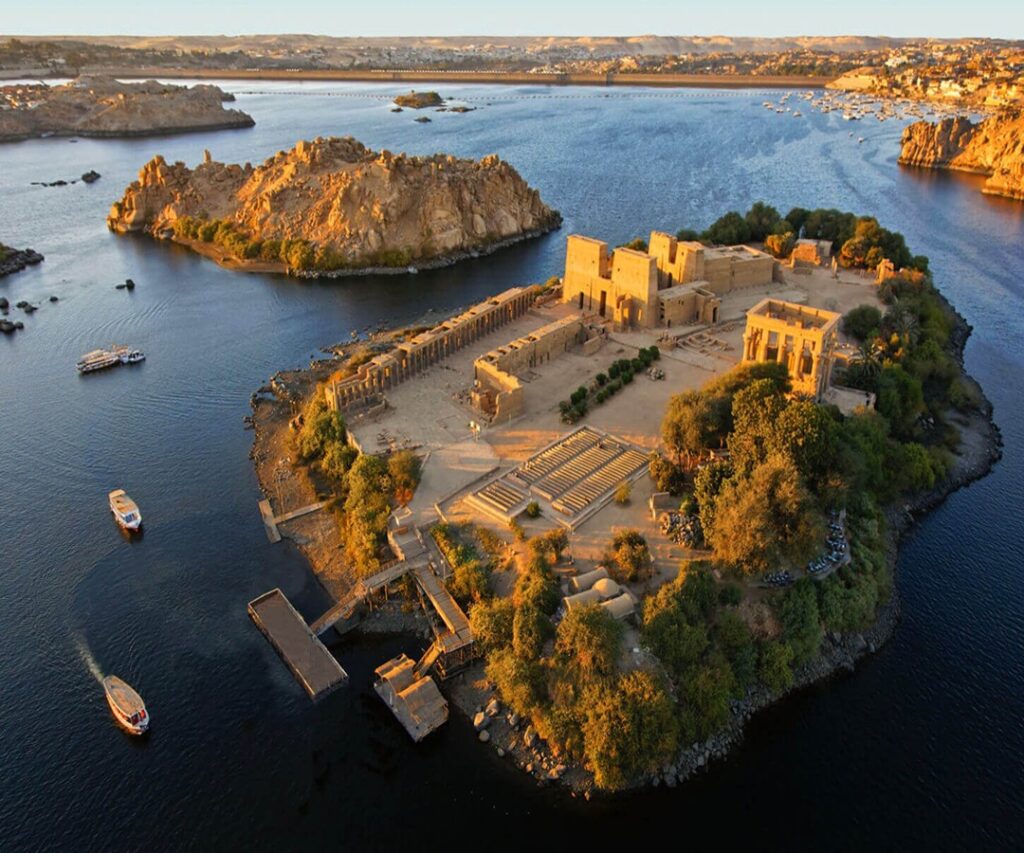
- Aswan (1–2 days) : Visit the Philae Temple and the Aswan High Dam. Don't miss the enormous statues of Ramses II at Abu Simbel, about a 3-hour drive away.
Use this 7-day itinerary to avoid the summer heat. A well-planned program will allow you to see all the must-see sights, such as the Temple of Karnak in Luxor and the Pyramids.
What to pack for your Egyptian adventure
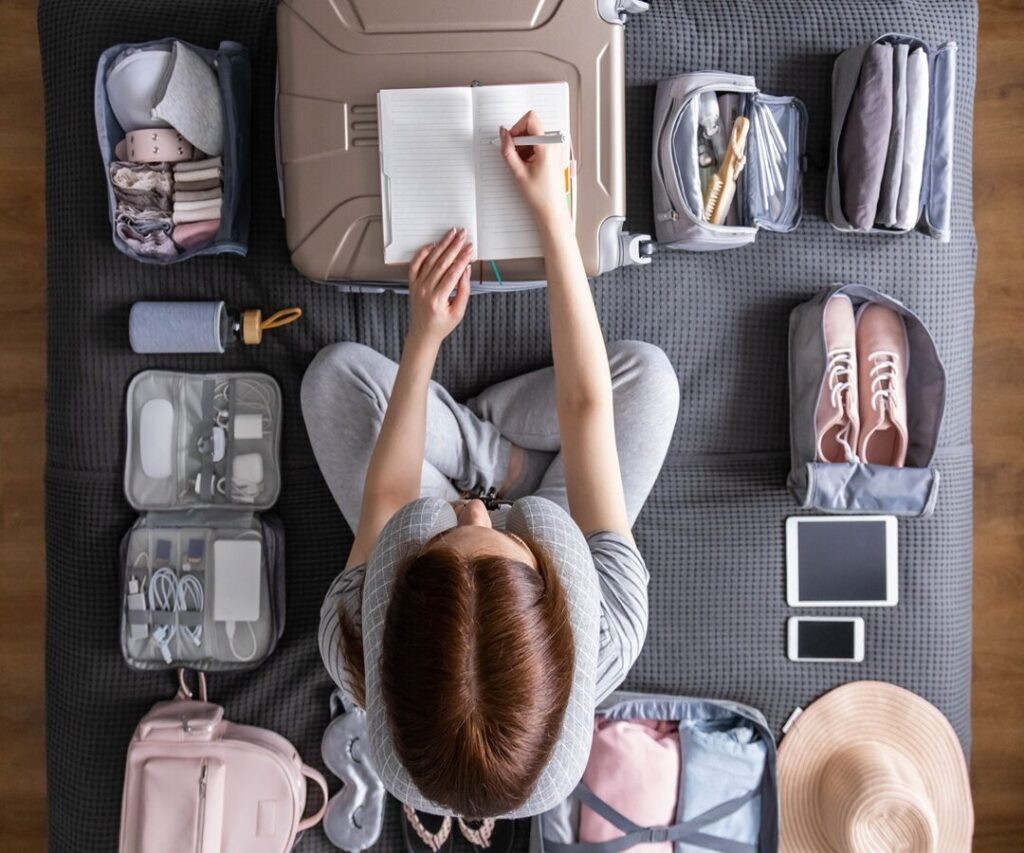
Preparing for Egypt means thinking about comfort, culture, and weather. The climate can be cold in winter and very hot in summer, so packing in layers is essential. Here's what you should bring:
- Clothing : Choose breathable fabrics like cotton or linen. Pack three lightweight T-shirts, two pairs of loose-fitting pants, and one pair of sneakers. Don't forget a warm layer for cool desert nights. In summer, opt for sun-protective clothing. In winter, wear long sleeves and a light jacket.
- Footwear : You'll need sturdy sneakers for Cairo's busy streets and sandals for hot days. Also pack sandals for the beaches and homes.
- Sun protection : Bring plenty of SPF 50 sunscreen (it's hard to find in Egypt) and a wide-brimmed hat. Polarized sunglasses are essential to protect your eyes from the desert sun.
Some essential items to pack:
- A lockable bag for cash (Egypt is primarily a cash-based country) and a small first aid kit with insect repellent.
- A power adapter (type C/F) for 220V outlets. The Conair Travel Smart adapter costs around $20 in the US.
- A reusable water bottle is essential, as staying hydrated in the Egyptian heat is crucial.
Remember: Bring tampons/a menstrual cup (they can be hard to find), a paperclip to change your SIM card, and copies of your travel documents. Leave your perfume at home, as it might attract unwanted attention in the markets.
By following these tips, your packing list will be perfect for both the chaos of Cairo and the ancient ruins of Luxor. Your Egyptian adventure will be stress-free from beginning to end.
Transportation options within Egypt
Getting around Egypt is crucial for a great trip. The country offers many forms of transportation, catering to all budgets and preferences.
Domestic flights vs. train travel
Flights are quick, connecting Cairo, Luxor, and Aswan in under two hours. A flight from Cairo to Luxor takes only one hour but costs between $50 and $100. Trains, on the other hand, take 10 hours but are cheaper, costing between $15 and $30, and offer spectacular views.
Trains from Cairo to Aswan can be overnight journeys. Egypt has more than 20 airports, making flying an excellent time-saving option.
Trains from Cairo to Aswan can be overnight journeys. Egypt has more than 20 airports, making flying an excellent time-saving option.
Private drivers and tour buses
Private cars cost between $80–$150 per day, ideal for flexible itineraries.
Tour buses are perfect for groups, costing between $30–$50 per person for day trips.
In Cairo, Uber is reliable. White taxis are safe for short trips. A transfer from the airport to the city center costs $4 by taxi or $15–$20 by private shuttle.
Tour buses are perfect for groups, costing between $30–$50 per person for day trips.
In Cairo, Uber is reliable. White taxis are safe for short trips. A transfer from the airport to the city center costs $4 by taxi or $15–$20 by private shuttle.
Navigating the Cairo Metro
The Cairo Metro is clean and runs frequently. A single ride costs $0.15 (EGP 1.25). Key stops are near the Egyptian Museum and Tahrir Square. Use the metro to get to Giza quickly during rush hour.
Buses, such as route 356 (a 35-minute ride), cost $0.20 (EGP 1) to the city center. Always carry cash for public transportation.
Your Egypt tour plan might include metro tickets to save money or private cars for added convenience. Check the schedules of Nile cruise ports, such as Luxor or Aswan, to coordinate your arrival with transportation availability.
Buses, such as route 356 (a 35-minute ride), cost $0.20 (EGP 1) to the city center. Always carry cash for public transportation.
Your Egypt tour plan might include metro tickets to save money or private cars for added convenience. Check the schedules of Nile cruise ports, such as Luxor or Aswan, to coordinate your arrival with transportation availability.
Complete Itinerary for a 7-Day Tour of Egypt: Day-by-Day Breakdown
Start your ultimate 7-day tour of Egypt with this well-planned trip. It combines history, culture, and relaxation. This itinerary will allow you to see Egypt's top sights in just 7 days.
Day 1: Arrival in Cairo and First Steps
- Arrival in Cairo : check in at a hotel near the center.
- Afternoon : Explore Islamic Cairo by visiting the Al-Azhar Mosque and the Khan el-Khalili bazaar to buy spices and souvenirs.
- Evening : Enjoy dinner by the Nile at a riverside restaurant.
Day 2: Pyramids of Giza
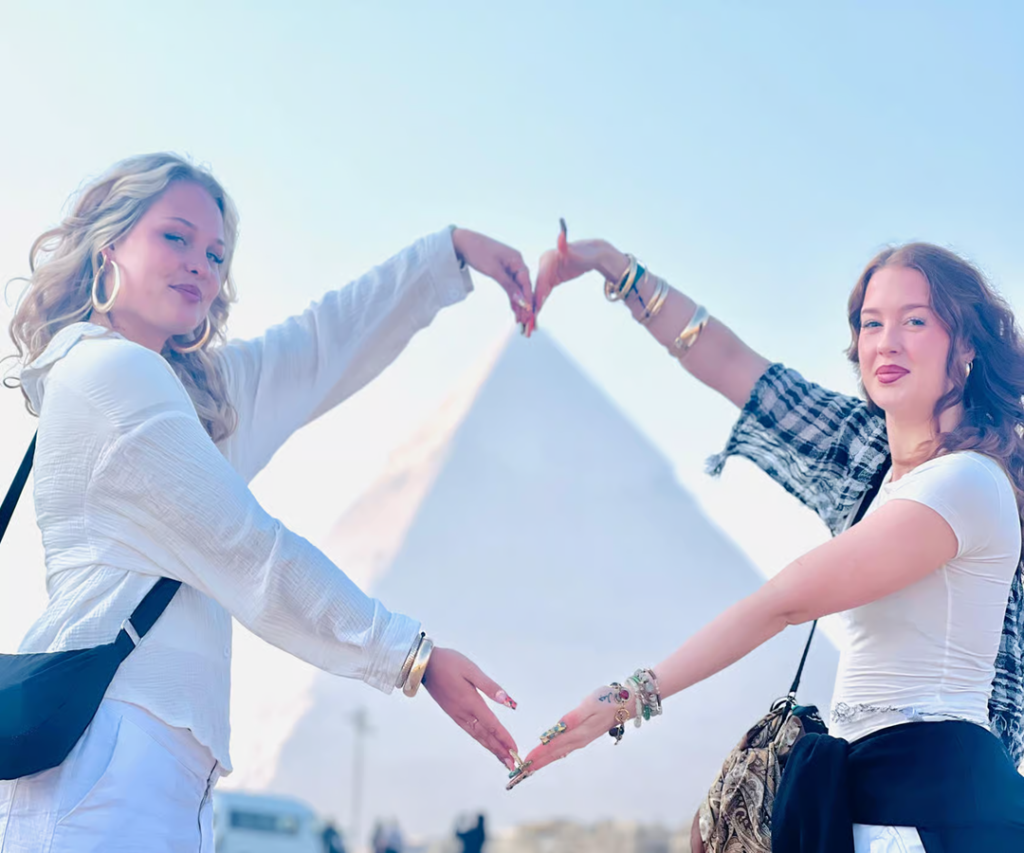
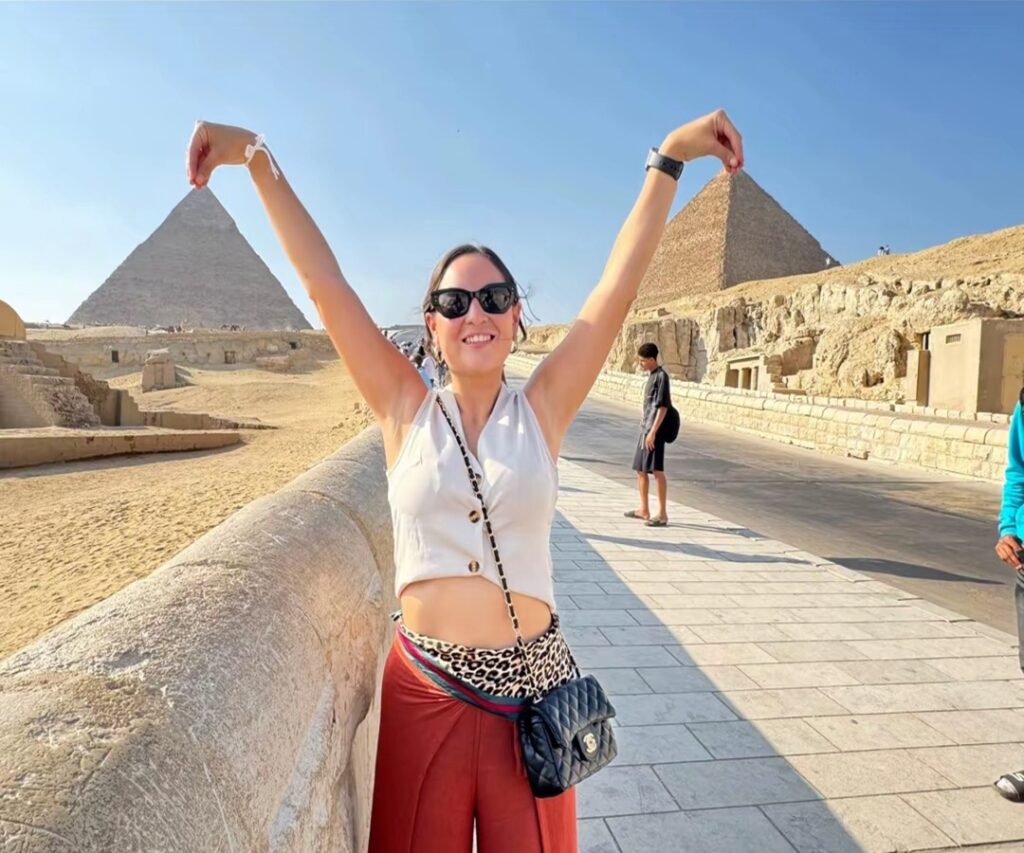
- Tomorrow : Visit the Pyramids of Giza and the Sphinx at sunrise. Climb the Red Pyramid for spectacular views.
- Afternoon : Visit the Solar Boat Museum and its ancient artifacts.
Day 3: Cultural Gems of Cairo
- Tomorrow : Visit the Egyptian Museum, which houses more than 160,000 relics, including the famous gold mask of Tutankhamun.
- Afternoon : Visit Coptic Cairo, including the Hanging Church and the Ben Ezra Synagogue.
Day 4: Luxor and the Valley of the Kings
- Fly to Luxor : take a tour of the tombs in the Valley of the Kings, including that of Tutankhamun, in the afternoon.
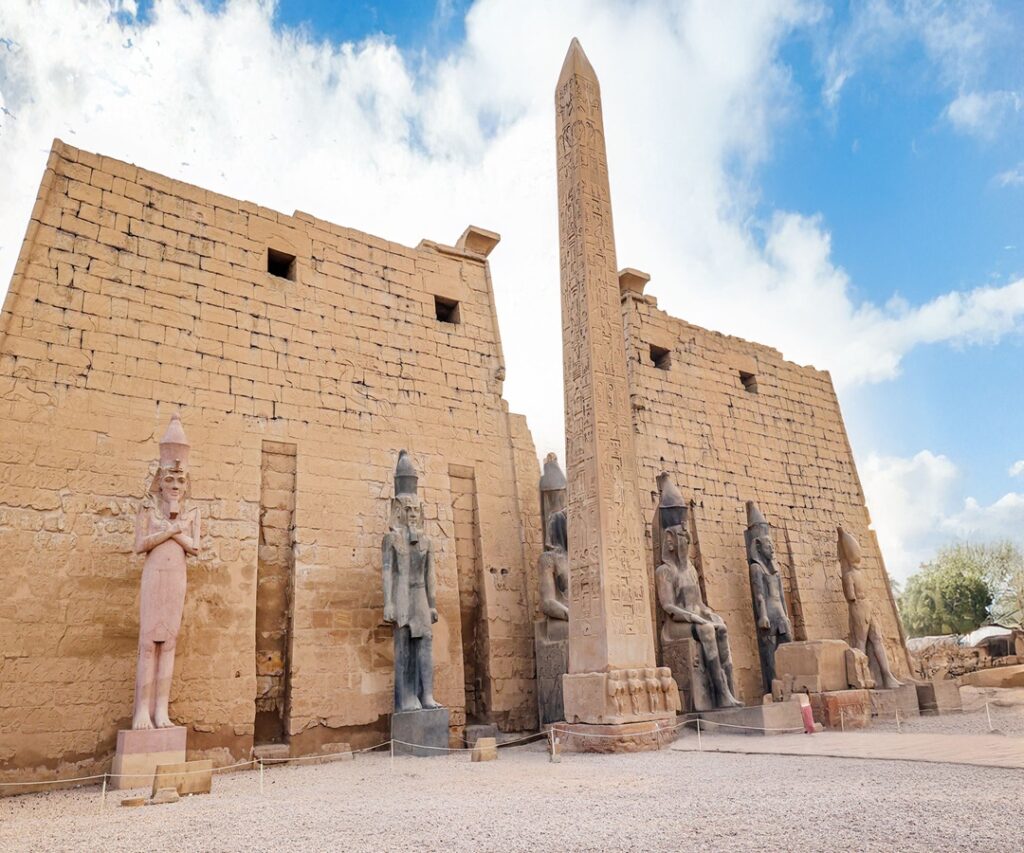
- Night : Stroll through the Luxor Temple under the ancient obelisks.
Day 5: Nile Cruise and Temples
- Explore the temples of Karnak and Luxor throughout the day.
- Embark on a Nile cruise to enjoy sunset views and dinner on board.
Day 6: Aswan and Abu Simbel
- Tomorrow : Visit the Unfinished Obelisk of Aswan and the Temple of Philae.
- Afternoon : Take a desert safari or sail on a felucca along the Nile.
- Night : Take a night bus to Abu Simbel to see the sunrise over the statues of Ramses II.
Day 7: Final Farewell in Cairo
- Tomorrow : Do some shopping at the Khan el-Khalili bazaar or visit the Step Pyramid of Saqqara.
- Transfer to Cairo airport with a final view of the Nile from your taxi.
This plan lets you enjoy the best places in Egypt without feeling rushed. You can adjust it to suit your own pace. It's perfect for first-time travelers.
Must-See Historical Places in Cairo
The ancient heart of Cairo beats alongside its bustling streets. Be sure to visit these iconic and hidden gems, which are key to any Egypt travel itinerary.
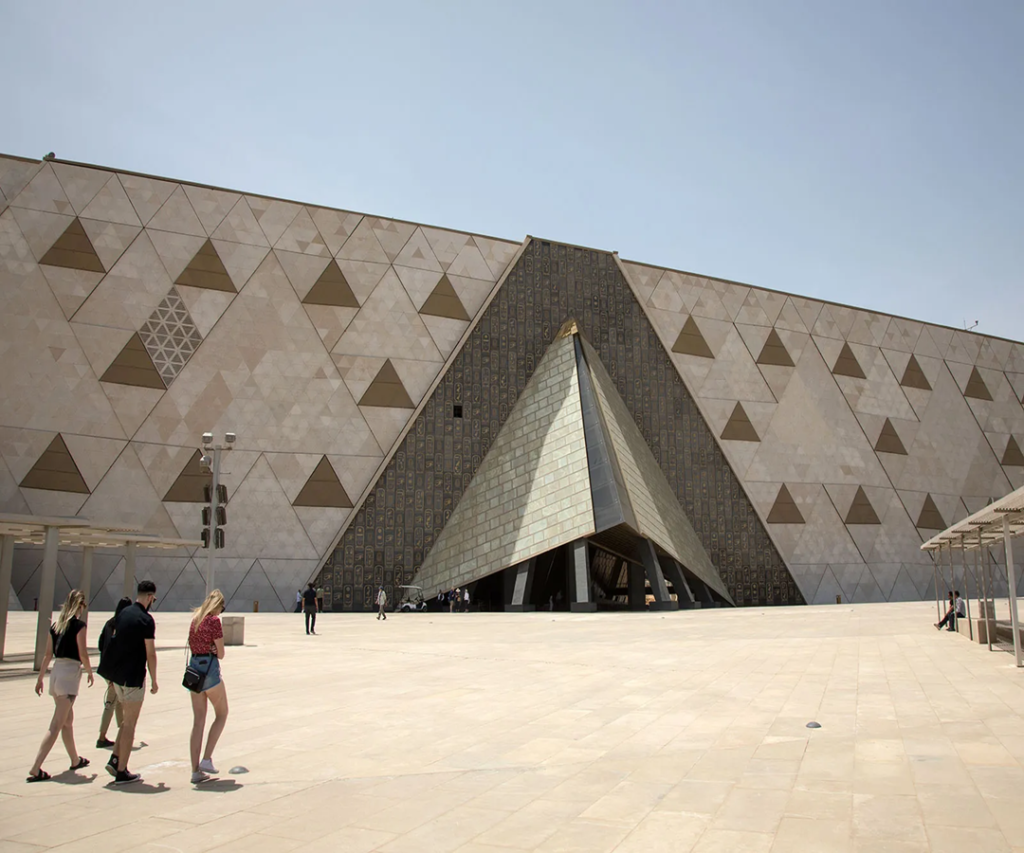
- Grand Egyptian Museum : Spend 2 to 3 hours exploring over 120,000 artifacts, including the famous gold mask of Tutankhamun. Admission is 250 LE ($19 CAD) for adults. Don't miss the mummy room on the second floor.
- Cairo Citadel and Muhammad Ali Mosque : This 12th-century fortress offers views of the pyramids and a chance to see Ottoman-era architecture. Admission is 80 LE ($6 CAD), and it's free on Wednesdays.
- Coptic Cairo : Discover the Hanging Church (built on Roman pillars) and the Ben Ezra Synagogue. Guided tours highlight early Christian history; tickets start at 50 LE ($3.85 CAD).
- Al-Muizz Street : Stroll through the medieval alleyways of Islamic Cairo. Look for the Ibn Tulun Mosque, a masterpiece of 14th-century Islamic architecture.
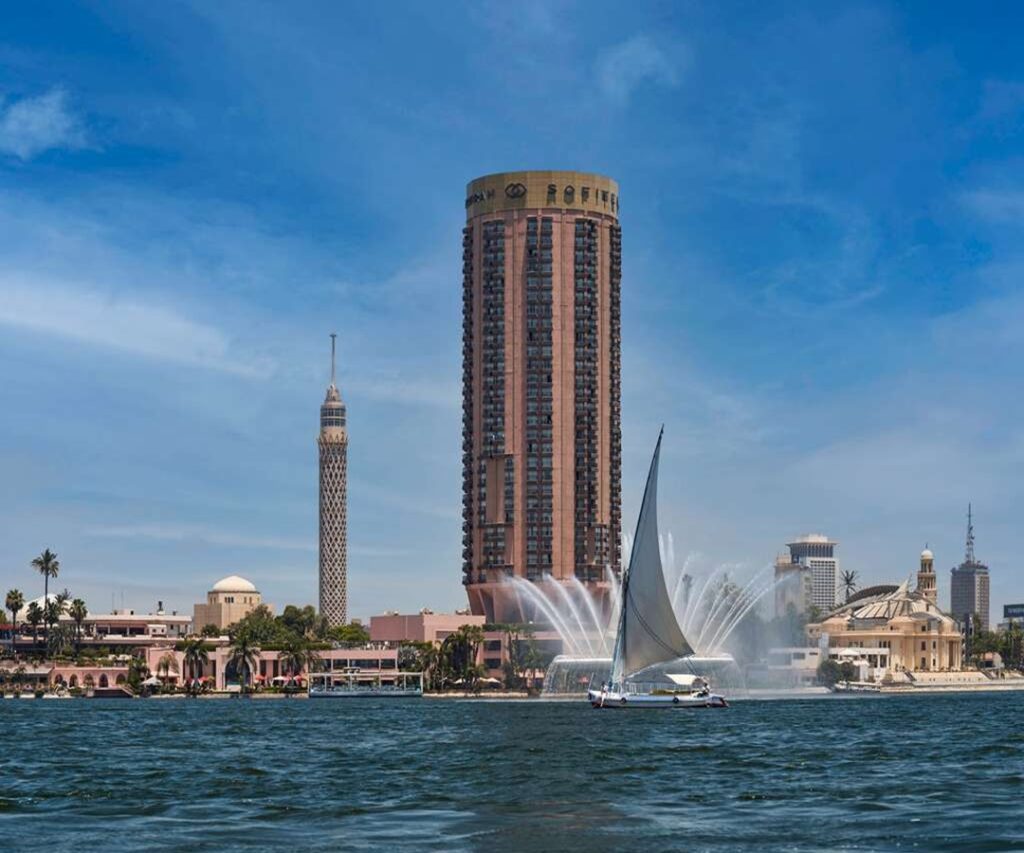
- Nilometer on the island of Roda : This ancient tool for measuring the water level dates back to 861 AD. Combine your visit with a felucca ride on the Nile to watch the sunset.
Helpful tip : Combine your visit to the pyramids with the Sphinx and the Khufu Solar Boat Museum (an additional 200 LE ticket is required for combined tickets). Save time by booking skip-the-line tickets online. Many sites close at 5 pm, so plan your visits early to avoid the crowds.
Add these sites to your Egypt itinerary for a mix of iconic and hidden treasures in Cairo. Check opening times before visiting, as hours may vary during Ramadan.
Exploring the Ancient Wonders of Luxor
As your 7-day Egypt itinerary takes you to Luxor, you'll enter a vast open-air museum. This city, once Thebes, is home to some of Egypt's most breathtaking sites. Let's explore the top spots that will define your trip:
- Valley of the Kings Tombs : Walk where the pharaohs were buried. Tutankhamun's tomb (KV62) is a must-see, with its golden treasures. The tomb of Ramses VI (KV9) features stunning frescoes. The tombs change daily, so it's recommended to book a guided tour to see the best ones.
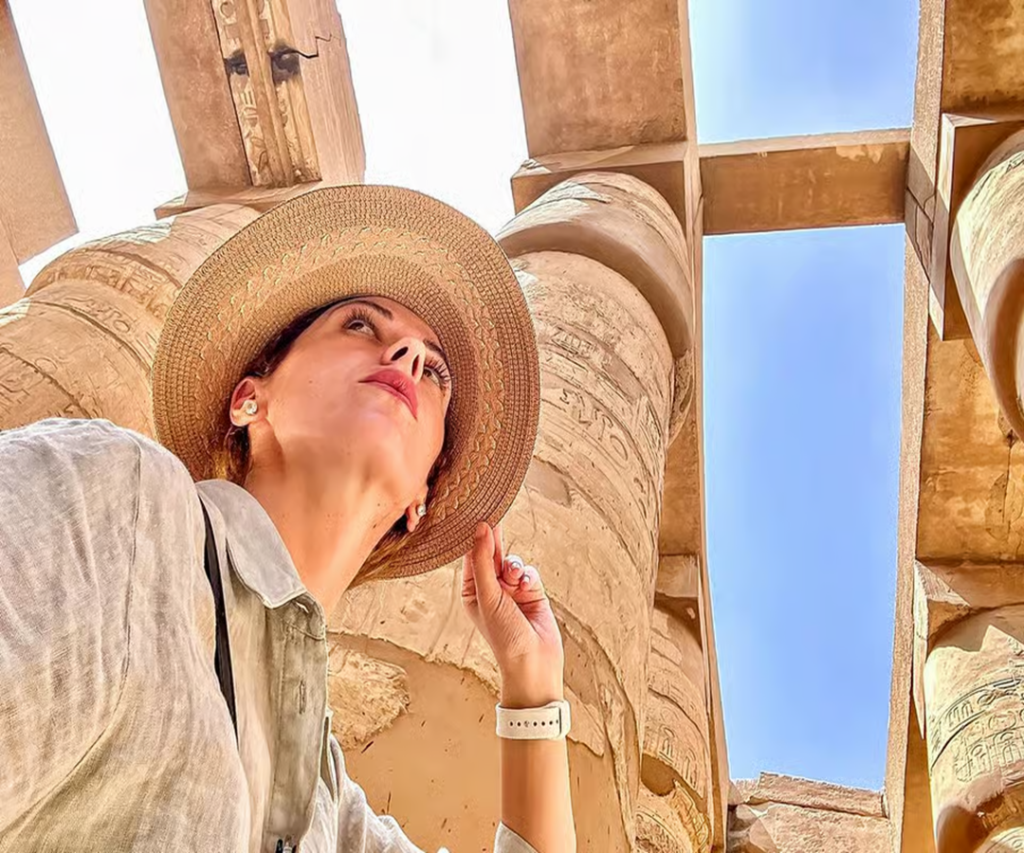
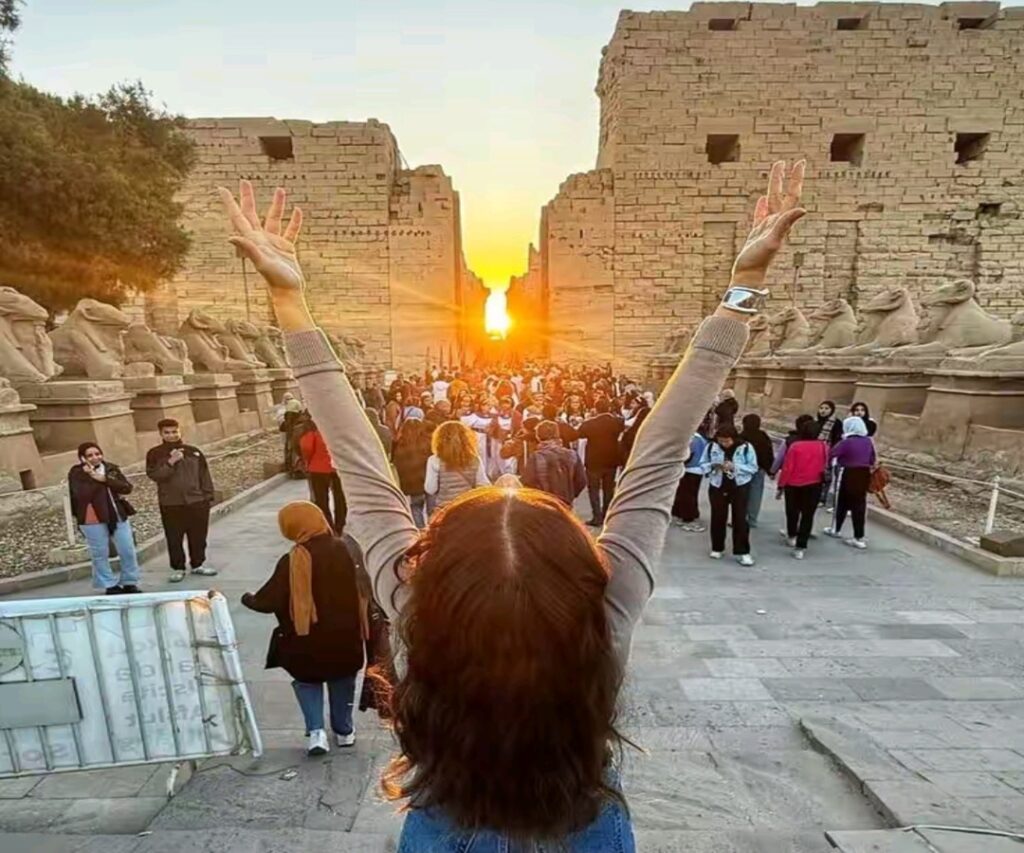
- Highlights of Karnak Temple : Visit the largest ancient religious site in the world. The Great Hypostyle Hall has 134 sandstone columns. Don't miss the Sacred Lake and the Avenue of Sphinxes leading to Luxor Temple. A local guide will explain the myths of Amun-Ra depicted in the carvings.
- Luxor Temple at night : Enjoy the sound and light show. This 45-minute spectacle illuminates the obelisks and columns while narrating the history. Add a touch of magic to your 7-day Egypt itinerary.
Helpful tip : Spend half a day in the Valley of the Kings and two hours at Karnak Temple. Entrance fees are 200 LE for the West Bank sites and 140 LE for Luxor Temple. A Nile cruise can enhance your trip, as many 7-day Egypt itineraries include one.
Remember the photography rules: flash photography is prohibited in the tombs. You will need a special permit for the tomb of Seti I (KV17). Your guide can assist you with this. These sites are the heart of your historical adventure, combining fun with Egypt's enduring legacy.
Remember the photography rules: flash photography is prohibited in the tombs. You will need a special permit for the tomb of Seti I (KV17). Your guide can assist you with this. These sites are the heart of your historical adventure, combining fun with Egypt's enduring legacy.
Nile River Cruise: What to Expect
Planning a trip to Egypt? A Nile River cruise is a fantastic way to see ancient sights. You can sail on a traditional felucca or a luxury boat. Your journey from Luxor to Aswan will take you to nine stunning sites, including the Temple of Philae and the Colossi of Memnon. Here's what you can expect:
- Types of cruises : Choose from an economical felucca sailboat, a 3-star ship with air conditioning, or a luxury cruise with pools and gyms.
- Included excursions : You will see the Temple of Kom Ombo, the temples of Edfu, and the statues of Abu Simbel. There are also Nubian dance performances in the evening.
- Budget Breakdown : A 7-night luxury cruise costs $840 per person. Groups receive discounts, and families save 50% on children. Prices increase by $300–$500 per person during peak season (December–April).
Cruises typically depart once a week, on Wednesdays and Fridays. Meals are included, but bring water for walks. Cabins have private bathrooms and televisions. Book in advance, as holidays such as Easter or winter break are peak season. Groups of four can save up to 40% compared to solo travelers.
Consider adding the Pyramids of Cairo and the Egyptian Museum to your trip. With 24/7 support and Wi-Fi, this cruise is perfect for any Egypt travel plan.
Consider adding the Pyramids of Cairo and the Egyptian Museum to your trip. With 24/7 support and Wi-Fi, this cruise is perfect for any Egypt travel plan.
Egyptian Cuisine: What to Eat During Your 7-Day Trip
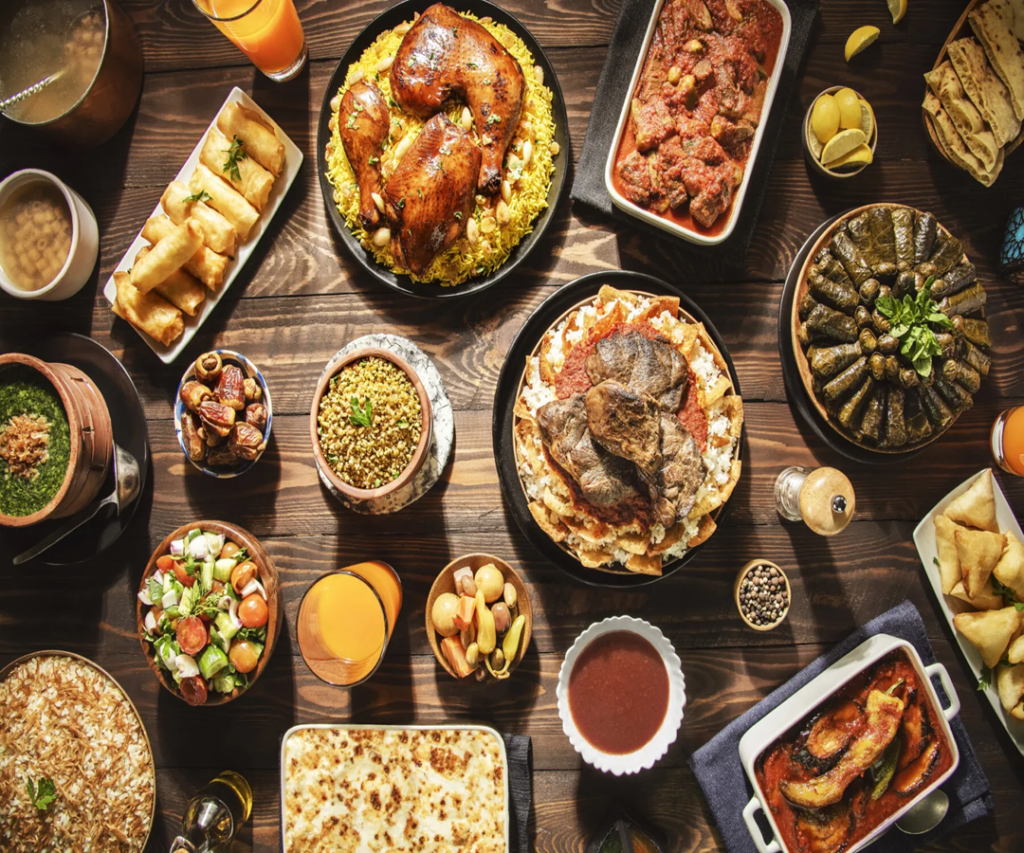
Exploring this 7-day Egypt itinerary will delight your palate. You'll discover a blend of Mediterranean, Middle Eastern, and African flavors. Start with ful medames , slow-cooked fava beans with olive oil and spices. Enjoy it with aish baladi (Egyptian flatbread) in Cairo's markets.
For a quick lunch, try ta'meya , the Egyptian version of falafel, made from fava beans. Wrap it in pita bread with pickles.
For a quick lunch, try ta'meya , the Egyptian version of falafel, made from fava beans. Wrap it in pita bread with pickles.
- Koshari : Egypt's national dish is a mixture of rice, lentils, macaroni, and tomato sauce, topped with crispy fried onions. Find food carts in Cairo or Luxor for under $5 a plate.
- Molokhia : This green stew is made with jute leaves and is usually served with chicken or beef. Try it at family-run restaurants in Luxor for a warming meal.
- Hawawshi : Spiced minced meat baked in pita bread, ideal as a snack. Look for vendors near the Khan el-Khalili bazaar in Cairo.
The Souq al-Adhamiya in Aswan is a hub for street food. Try shakshuka (poached eggs in tomato sauce) and konafa (a crispy pastry with cheese or cream). Choose places where locals eat to enjoy fresh food. Nile cruises include all meals, so enjoy dishes like sayadiyah (fish with spiced rice) during dinner.
Drink mint tea or Turkish coffee with your meals. Avoid tap water and use bottled water instead. For dessert, try basbousa (semolina cake) or om ali (bread pudding with nuts). This guide makes your 7-day Egypt itinerary a delicious journey through history.
Drink mint tea or Turkish coffee with your meals. Avoid tap water and use bottled water instead. For dessert, try basbousa (semolina cake) or om ali (bread pudding with nuts). This guide makes your 7-day Egypt itinerary a delicious journey through history.
Souvenir Shopping: Navigating Egyptian Markets
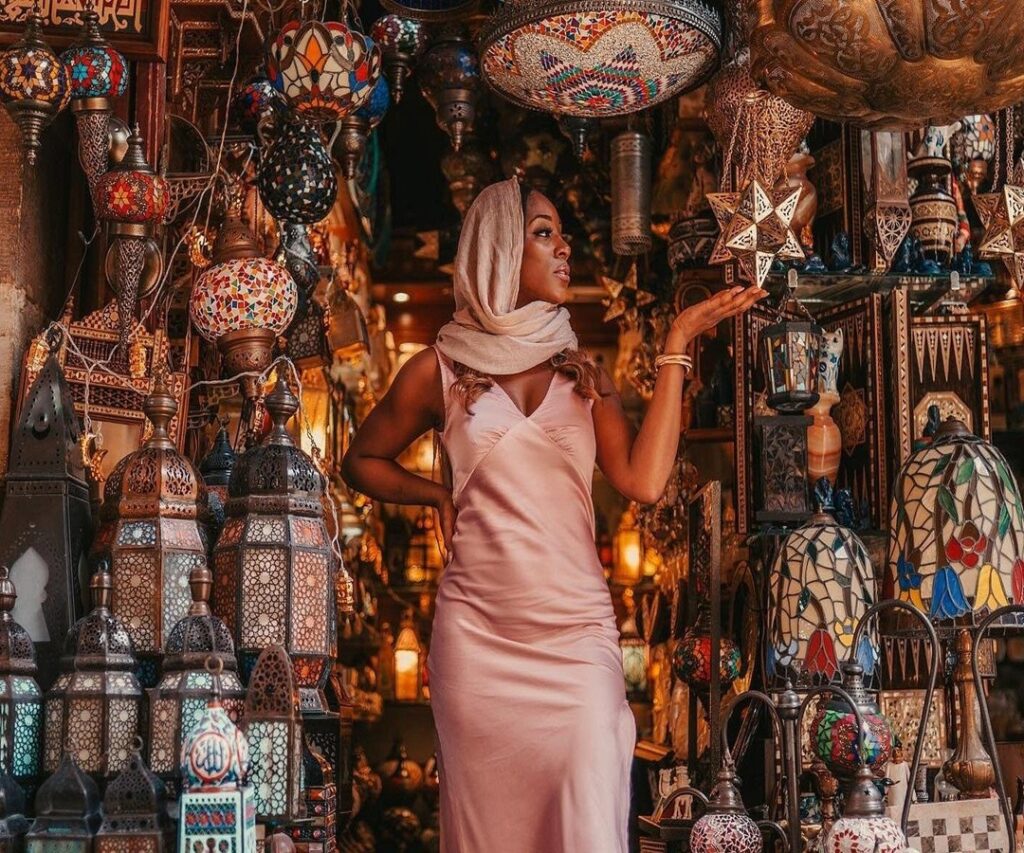
Shopping at Cairo's Khan el-Khalili Bazaar is an unmissable experience. It's a journey for your senses. You'll find spices and silver jewelry, but knowing what to look for is key.
Khan el-Khalili Bazaar Guide
Explore the main market sections:
- Gold Souq : Look for 21 or 22 karat gold stamped with serial numbers to guarantee its authenticity.
- Spice Bazaar : Buy whole spices like saffron and dukkah in small cloth packets.
- Textile Street : Compare Egyptian cotton fabrics and alabaster carvings near the entrance arches.
Avoid busy roads at midday. Side alleys often hide artisan workshops.
Common Souvenirs and Price Expectations
Key elements to consider:
- Papyrus scrolls (100–300 LE for quality pieces with visible fibers).
- Handmade cartridges (look for smooth edges and hieroglyphic details).
- Copper trays engraved with Islamic motifs (bargain up to 40% off the initial price).
- Avoid "antique" items that lack export certificates. Always verify the gold's certification.
Haggling Tips for Americans
Approach negotiations with these steps:
- Begin by asking “Beyt el-salam?” (Price of peace?) to show respect.
- Offer a price 30–40% below the seller's first offer.
- Walk away if the prices don't go down; sellers often call back with better terms.
- Always carry small bills and confirm the final price in Arabic numerals. Remember, haggling isn't rude—it's part of the cultural exchange.
Safety Tips and Cultural Etiquette for American Travelers
Traveling in Egypt on a one-week itinerary is easier if you're aware of local customs. These tips will help you stay safe and respectful:
- Dress modestly : Wear long sleeves, knee-length skirts or trousers, and cover your shoulders in mosques and Coptic churches.
- Master tipping (baksheish) : Give 5–10 EGP to restroom attendants, 10–20 EGP to porters. Drivers receive 80–150 EGP/day, and guides 15–20 EGP/day. Always carry small bills.
- Stay hydrated : Avoid tap water. Summer can be very hot, so bring a reusable water bottle and refill it at the hotel restrooms.
- Sign up for STEP : Enroll in the U.S. State Department's Smart Traveler Enrollment Program to receive emergency alerts. Keep copies of your passport.
- Handle attention gracefully : Persistent vendors may follow you, but stay calm and walk away. Most unwanted advances are non-violent. Use women-only subway cars in Cairo for more privacy.
- Photography etiquette : Always ask permission before taking photos of local landmarks or historic buildings. Avoid taking photos near military installations or busy streets.
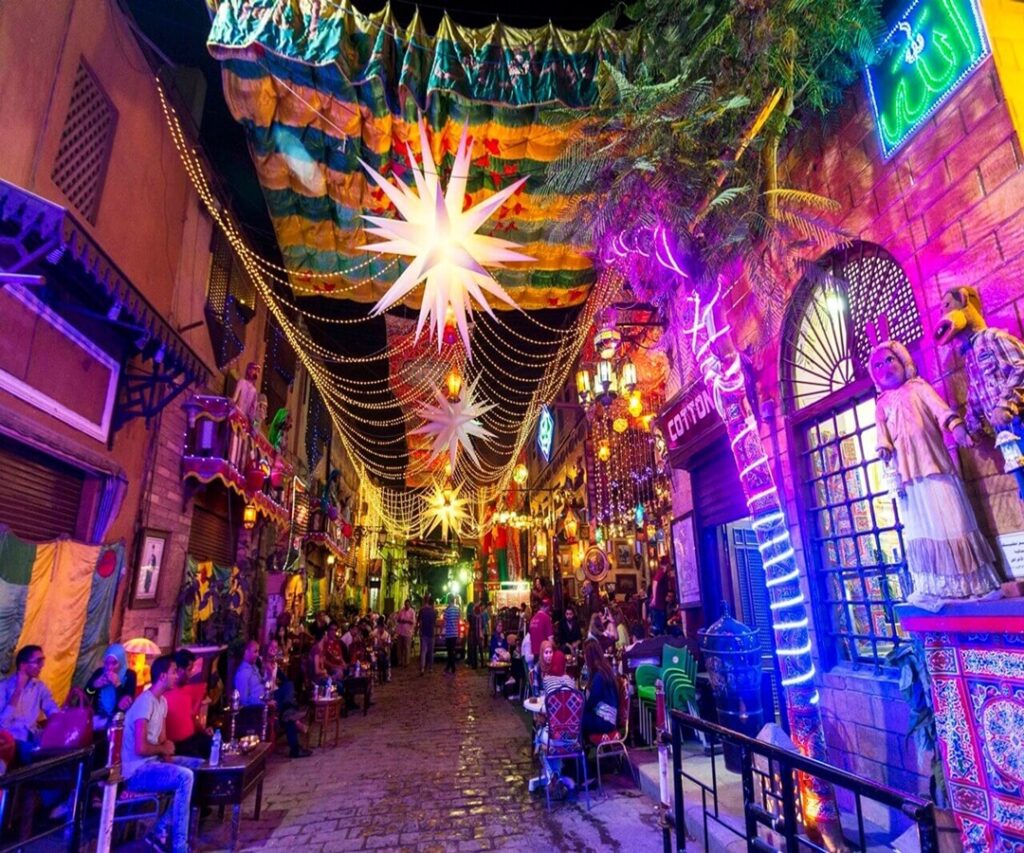
- Respect Ramadan customs : During the months of fasting, eat, drink, and smoke discreetly indoors. Visit after sunset to enjoy the vibrant nightlife and the traditional Ramadan meals.
- Learn key phrases : “Shokran” (thank you), pronounced shok-ran , “la shokran” (no thank you), pronounced la shok-ran , and “ismi…” (my name is…) will help you create a good relationship.
- Seek help if needed : Contact the Egyptian Tourism Authority helpline (19654) to report harassment. Most tour buses employ armed guards for protection.
- Adapt to gender norms : Men are often directed first in groups. Female travelers may prefer to travel in pairs for greater comfort, especially in busy markets.
With these guidelines, your one-week itinerary in Egypt balances adventure with respect for local traditions. Most Egyptians warmly welcome visitors, and your conscience ensures mutual respect.
Budget Breakdown: What to Expect for Your Week in Egypt
Planning your best 7-day tour of Egypt starts with knowing where your money is going. Here's a clear breakdown to help you budget wisely:
- Accommodation : Hostels cost between $5–$20/night, while luxury hotels exceed $200. Mid-range hotels have an average price of $30–$60 per night.
- Transportation : Domestic flights between Cairo, Luxor, and Aswan start at $50. Taxis and Uber are inexpensive—$2–$15 for most trips. Trains between Cairo and Luxor will cost $20+ for foreigners starting in 2025.
- Food : Street food, like falafel wraps, costs less than $5, while at high-end restaurants the price can reach $60. Budget between $10–$20 per day for meals.
- Attractions : Entrance fees vary between $5–$20 per site. The Pyramids of Giza charge around $30 for a full pass.
- Extras : A Nile cruise costs between $300 and $500, and guided tours are priced between $100 and $300. Don't forget the visa fee, which varies between $25 and $60.
ATMs offer the best exchange rates, but keep in mind that most dispense up to $150 per transaction. SIM cards are inexpensive—buy one at the airport for easy connectivity.
Expect total costs to vary: $600–$1,200 for budget travelers or up to $2,450 for luxury stays. Prioritize your best 7-day tour of Egypt by balancing luxuries (like Nile cruises) with more budget-friendly options (hostels, street food). Tips are expected—leave 5–10 LE for services.
With smart choices, your adventure will stay affordable. Research deals and always check visa requirements before you go.
Expect total costs to vary: $600–$1,200 for budget travelers or up to $2,450 for luxury stays. Prioritize your best 7-day tour of Egypt by balancing luxuries (like Nile cruises) with more budget-friendly options (hostels, street food). Tips are expected—leave 5–10 LE for services.
With smart choices, your adventure will stay affordable. Research deals and always check visa requirements before you go.
Conclusion:
Your 7-day trip to Egypt is more than just seeing tourist attractions. It's an opportunity to immerse yourself in history. You'll see famous sites like the Pyramids of Giza and the Valley of the Kings in Luxor. You'll also enjoy peaceful moments, such as a sunset cruise on the Nile.
When you explore Egypt in 7 days, you'll hear stories thousands of years old. You'll follow a travel plan that ensures your comfort and teaches you about the culture. In this way, your trip will be full of history and fun.
Pack a journal to record your experiences. You might hear the wind rustling across the desert sands or see the temple walls glow at dusk. The cost of your trip can vary, but expect to spend around $1,500 for a 5-star hotel and guided tours.
Don't forget to set aside $25 for your e-visa. And remember to haggle a little in places like Khan el-Khalili. Being flexible is important. The magic of Egypt often happens when you least expect it, like talking to a vendor in Aswan or taking a felucca ride.
Whether you're staying for seven days or more, this guide will help you make the most of every moment. Your adventure begins with a plan that respects the grandeur of Egypt without overwhelming you. Are you ready to fulfill your childhood dreams of seeing the pyramids? Your trip awaits, combining ancient wonders with modern comforts.
With careful planning and an open heart, every moment, like a sunset over the Nile or a story from a local, becomes a memory to take home.