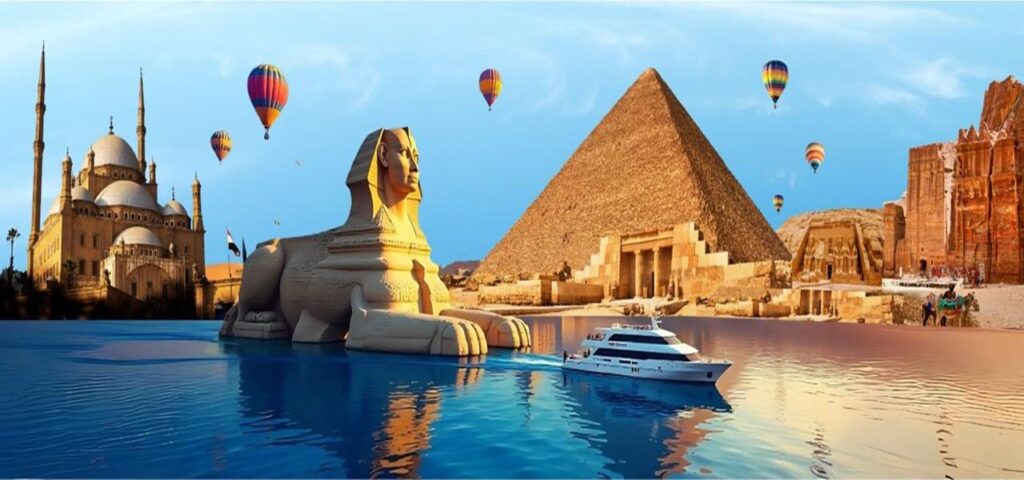
Egypt, a land of rich history and culture, is a year-round destination. The ideal time to visit depends on your preferences: whether you're looking for pleasant weather, fewer crowds, or an authentic seasonal experience. Below, we explain the best times to explore Egypt:
 High Season: December to February
Why visit : Mild temperatures, perfect for sightseeing and Nile cruises.
Climate : Pleasant and cool – between 18°C and 22°C during the day; nights can be chilly, especially in the desert.
Top attractions : Pyramids of Giza, Egyptian Museum, Luxor Temples.
Crowds and prices : High demand = more tourists and higher prices for accommodations and tours.
Tip : Book in advance for better prices and bring a light jacket for cool evenings.
Mid-Season: March–April and October–November
Why visit : Moderate climate and fewer crowds – the perfect balance!
Climate : Pleasant – between 22°C and 30°C, ideal for exploring the outdoors.
Top attractions : Cairo, Luxor, Aswan, and Red Sea resorts like Hurghada and Sharm el-Sheikh.
Activities : Desert excursions, snorkeling, and diving in warm, clear waters.
Tip : Enjoy Egypt's natural beauty without the extreme summer heat or the crowds of peak season.
Low Season: May to September
Why visit : Fewer tourists, lower accommodation prices, and cheaper flights.
Climate : Very hot! Temperatures often exceed 35°C, especially in Cairo and Luxor.
Main attractions : Pyramids, temples, and Red Sea resorts.
Activities : Visit early in the morning or at sunset; the coastal areas are more pleasant with the sea breeze.
Tip : Red Sea resorts remain ideal in summer thanks to the cool breezes, perfect for beach and water activities.
Quick Tips :
 High Season: December to February
 Why visit : Mild temperatures, perfect for sightseeing and Nile cruises. Climate : Pleasant and cool – between 18°C and 22°C during the day; nights can be chilly, especially in the desert. Top attractions : Pyramids of Giza, Egyptian Museum, Luxor Temples. Crowds and prices : High demand = more tourists and higher prices for accommodations and tours.
 Tip : Book in advance for better prices and bring a light jacket for cool evenings.
 Mid-Season: March–April and October–November Why visit : Moderate climate and fewer crowds – the perfect balance! Climate : Pleasant – between 22°C and 30°C, ideal for exploring the outdoors. Top attractions : Cairo, Luxor, Aswan, and Red Sea resorts like Hurghada and Sharm el-Sheikh. Activities : Desert excursions, snorkeling, and diving in warm, clear waters. Tip : Enjoy Egypt's natural beauty without the extreme summer heat or the crowds of peak season.
 Low Season: May to September Why visit : Fewer tourists, lower accommodation prices, and cheaper flights. Climate : Very hot! Temperatures often exceed 35°C, especially in Cairo and Luxor. Main attractions : Pyramids, temples, and Red Sea resorts. Activities : Visit early in the morning or at sunset; the coastal areas are more pleasant with the sea breeze. Tip : Red Sea resorts remain ideal in summer thanks to the cool breezes, perfect for beach and water activities.
 Quick Tips :
Getting around Egypt is relatively easy thanks to the variety of transport options. Whether you're exploring bustling cities like Cairo or traveling among the country's ancient treasures, here are the best ways to get around:
Taxis
Why use them : Convenient for short trips within cities.
Tip : Make sure to agree on the price before starting your journey or choose taxis with meters to avoid misunderstandings.
Ideal for : Quick transfers in cities like Cairo and Alexandria.
Transportation apps (Uber and Careem)
Why use them : Safer, more reliable, and often cheaper than traditional taxis.
Tip : Available in major cities like Cairo and Alexandria. They're a great way to avoid language barriers and know the price in advance.
Ideal for : Traveling within large cities without hassle.
Buses and minibuses
Why use them : Affordable and very frequent.
Tip : They're a cheap option, but not the most recommended for tourists if you don't speak Arabic. It's better to go with a guide or local.
Ideal for : Budget travelers who want to experience local transportation.
Domestic flights
Why use them : Perfect for long distances, such as between Cairo, Luxor, or Aswan.
Tip : Egyptian airlines like EgyptAir offer frequent flights. Booking in advance can help you save.
Ideal for : Quick and comfortable travel between major tourist cities.
Nile River Cruises
Why use them : A scenic and relaxed way to travel between Luxor and Aswan.
Tip : Nile cruises combine luxury and culture, allowing you to visit several archaeological sites along the river. Consider booking a multi-day cruise for a more comprehensive experience.
Ideal for : History buffs who want to explore Ancient Egypt in style.
Quick tips:
 Taxis Why use them : Convenient for short trips within cities. Tip : Make sure to agree on the price before starting your journey or choose taxis with meters to avoid misunderstandings. Ideal for : Quick transfers in cities like Cairo and Alexandria.
 Transportation apps (Uber and Careem) Why use them : Safer, more reliable, and often cheaper than traditional taxis. Tip : Available in major cities like Cairo and Alexandria. They're a great way to avoid language barriers and know the price in advance. Ideal for : Traveling within large cities without hassle.
 Buses and minibuses Why use them : Affordable and very frequent. Tip : They're a cheap option, but not the most recommended for tourists if you don't speak Arabic. It's better to go with a guide or local. Ideal for : Budget travelers who want to experience local transportation.
 Domestic flights Why use them : Perfect for long distances, such as between Cairo, Luxor, or Aswan. Tip : Egyptian airlines like EgyptAir offer frequent flights. Booking in advance can help you save. Ideal for : Quick and comfortable travel between major tourist cities.
 Nile River Cruises Why use them : A scenic and relaxed way to travel between Luxor and Aswan. Tip : Nile cruises combine luxury and culture, allowing you to visit several archaeological sites along the river. Consider booking a multi-day cruise for a more comprehensive experience. Ideal for : History buffs who want to explore Ancient Egypt in style. Quick tips:
Packing smart can make your trip to Egypt much more comfortable. It's important to consider the climate and cultural customs when preparing your suitcase.
Clothes
Why it matters : Egypt can be quite hot, although temperatures vary depending on the season.
What to pack : Lightweight clothing for the day, but also bring a light jacket or sweater for the evenings, especially in winter. In cooler months, include long sleeves or a scarf for sun protection.
Sun protection
Why it's important : The sun in Egypt is very strong, especially in the desert areas.
What to pack : Sunscreen, sunglasses, and a wide-brimmed hat to protect yourself from the sun's rays.
Scarf or shawl
Why it's important : Modest dress is expected at religious sites.
What to pack : A scarf or shawl to cover your head or shoulders, especially when entering mosques or other holy places.
Adapter
Why it's important : Egypt uses type C and F plugs.
What to pack : A universal adapter to charge your electronic devices.
Essentials
Why it's important : Staying hydrated and comfortable is key to enjoying your trip.
What to pack : A reusable water bottle, hand sanitizer, and personal hygiene items.
Quick tips:
 Clothes Why it matters : Egypt can be quite hot, although temperatures vary depending on the season. What to pack : Lightweight clothing for the day, but also bring a light jacket or sweater for the evenings, especially in winter. In cooler months, include long sleeves or a scarf for sun protection.
 Sun protection Why it's important : The sun in Egypt is very strong, especially in the desert areas. What to pack : Sunscreen, sunglasses, and a wide-brimmed hat to protect yourself from the sun's rays.
 Scarf or shawl Why it's important : Modest dress is expected at religious sites. What to pack : A scarf or shawl to cover your head or shoulders, especially when entering mosques or other holy places.
 Adapter Why it's important : Egypt uses type C and F plugs. What to pack : A universal adapter to charge your electronic devices.
 Essentials Why it's important : Staying hydrated and comfortable is key to enjoying your trip. What to pack : A reusable water bottle, hand sanitizer, and personal hygiene items. Quick tips:
The payment system in Egypt combines cash and cards, so it's helpful to know the local currency and best practices for exchanging money.
Currency
Why it's important: The official currency of Egypt is the Egyptian Pound (EGP).
Carry enough cash for small purchases, especially in local markets, taxis, or small shops where cards are not accepted.
Automated Teller Machines (ATMs)
Why it matters: ATMs are available in most major cities and tourist areas.
Keep in mind that some ATMs charge high fees for international cards. It's advisable to withdraw larger amounts to minimize fees.
Credit Cards
Why it matters: Credit cards are widely accepted at large hotels, restaurants, and shops, especially in tourist areas.
Visa and MasterCard are the most common. Notify your bank of your travel dates to avoid problems with international payments.
Tips (“Baksheesh”)
Why it's important: Tipping is customary in Egypt, especially in restaurants, hotels, and for tour guides.
Carry small bills for tipping. Approximately 10% is standard in restaurants, and rounding up the fare in taxis is appreciated.
Quick Tips:
 Currency Why it's important: The official currency of Egypt is the Egyptian Pound (EGP). Carry enough cash for small purchases, especially in local markets, taxis, or small shops where cards are not accepted.
 Automated Teller Machines (ATMs) Why it matters: ATMs are available in most major cities and tourist areas. Keep in mind that some ATMs charge high fees for international cards. It's advisable to withdraw larger amounts to minimize fees.
 Credit Cards Why it matters: Credit cards are widely accepted at large hotels, restaurants, and shops, especially in tourist areas. Visa and MasterCard are the most common. Notify your bank of your travel dates to avoid problems with international payments.
 Tips (“Baksheesh”) Why it's important: Tipping is customary in Egypt, especially in restaurants, hotels, and for tour guides. Carry small bills for tipping. Approximately 10% is standard in restaurants, and rounding up the fare in taxis is appreciated. Quick Tips:
Safety is a top priority when traveling to any destination, and Egypt is no exception. While Egypt is generally safe for tourists, being aware of your surroundings and taking a few precautions will help ensure a smooth and enjoyable trip.
General Security
Why follow it: Being aware of your surroundings ensures a stress-free experience.
Tip: Stay in busy areas, especially at night. Avoid isolated places or unlit streets.
Ideal for: Staying safe in both urban and rural areas, especially after dark.
Street vendors and scams
Why be cautious: Some street vendors may try to overprice items or use aggressive sales tactics.
Tip: Always agree on a price before buying anything from street vendors. If you feel uncomfortable or pressured, it's okay to politely decline.
Ideal for: Avoiding unnecessary purchases and keeping your spending under control.
Take photos
Why be careful: In some places, taking photos may be restricted or considered disrespectful.
Tip: Always ask permission before photographing people, especially in religious or rural areas.
Ideal for: Respecting local customs and avoiding unwanted attention.
Protect your belongings
Why be safe: Petty theft can happen in busy tourist areas.
Tip: Keep your valuables like passports, wallets, and cameras in secure locations, such as a hotel safe or a money belt.
Ideal for: Protecting important items and preventing theft.
Taxis and ride-hailing apps
Why follow it: Ensuring a safe and reliable mode of transportation is important in unfamiliar places.
Tip: Use apps like Uber and Careem in major cities for a safer and more transparent experience. Always confirm the fare before using a traditional taxi.
Ideal for: Traveling comfortably and safely within urban areas.
Emergency contacts
Why have them: Being prepared for emergencies ensures you know what to do if a problem arises.
Tip: Always keep contact information for your hotel, local emergency services, and your embassy handy.
Ideal for: Quick response in emergencies such as medical issues or a lost passport.
Quick tips:
 General Security Why follow it: Being aware of your surroundings ensures a stress-free experience. Tip: Stay in busy areas, especially at night. Avoid isolated places or unlit streets. Ideal for: Staying safe in both urban and rural areas, especially after dark.
 Street vendors and scams Why be cautious: Some street vendors may try to overprice items or use aggressive sales tactics. Tip: Always agree on a price before buying anything from street vendors. If you feel uncomfortable or pressured, it's okay to politely decline. Ideal for: Avoiding unnecessary purchases and keeping your spending under control.
 Take photos Why be careful: In some places, taking photos may be restricted or considered disrespectful. Tip: Always ask permission before photographing people, especially in religious or rural areas. Ideal for: Respecting local customs and avoiding unwanted attention. Protect your belongings Why be safe: Petty theft can happen in busy tourist areas. Tip: Keep your valuables like passports, wallets, and cameras in secure locations, such as a hotel safe or a money belt. Ideal for: Protecting important items and preventing theft. Taxis and ride-hailing apps Why follow it: Ensuring a safe and reliable mode of transportation is important in unfamiliar places. Tip: Use apps like Uber and Careem in major cities for a safer and more transparent experience. Always confirm the fare before using a traditional taxi. Ideal for: Traveling comfortably and safely within urban areas.
 Emergency contacts Why have them: Being prepared for emergencies ensures you know what to do if a problem arises. Tip: Always keep contact information for your hotel, local emergency services, and your embassy handy. Ideal for: Quick response in emergencies such as medical issues or a lost passport. Quick tips:
Understanding Egyptian customs and cultural etiquette is key to ensuring respectful interactions and a pleasant experience. Here are some essential tips to help you integrate and enjoy your time in Egypt:
Dress Code
Why follow it: Modesty is valued, especially in religious and rural areas.
Tip: Although Cairo and other major cities are more relaxed, it's recommended to dress modestly when visiting mosques or conservative areas. For women, covering shoulders and knees is a good rule of thumb.
Ideal for: Respecting local customs and staying comfortable in the hot weather.
Greetings and Respect
Why use it: A proper greeting can open many doors in Egypt.
Tip: Egyptians are warm and friendly. When meeting someone, a handshake is common, but for a more personal touch, friends can exchange a kiss on the cheek. It is also polite to greet with “As-salamu alaykum” (Peace be upon you).
Ideal for: Showing respect and making a good first impression.
Behavior in Mosques and Religious Sites
Why follow it: Respect for sacred sites is highly valued.
Tip: Remove your shoes before entering mosques or other religious sites. It is also advisable to cover your head (especially for women) and dress conservatively.
Ideal for: Visiting Egypt's historical and spiritual monuments with respect.
Tipping Culture (“Baksheesh”)
Why tip: Tipping is common and expected in many situations.
Tip: Leave small tips for hotel staff, taxi drivers, and waiters. The typical tip is around 10-15% of the bill.
Ideal for: Enhancing service quality and showing appreciation for good service.
Food Etiquette
Why follow it: Food is an important part of Egyptian culture.
Tip: It's polite to wait for the host to invite you to start eating. Sharing meals is common and considered a sign of generosity.
Ideal for: Enjoying meals with locals in a respectful and inclusive way.
Quick Tips:
 Dress Code Why follow it: Modesty is valued, especially in religious and rural areas. Tip: Although Cairo and other major cities are more relaxed, it's recommended to dress modestly when visiting mosques or conservative areas. For women, covering shoulders and knees is a good rule of thumb. Ideal for: Respecting local customs and staying comfortable in the hot weather.
 Greetings and Respect Why use it: A proper greeting can open many doors in Egypt. Tip: Egyptians are warm and friendly. When meeting someone, a handshake is common, but for a more personal touch, friends can exchange a kiss on the cheek. It is also polite to greet with “As-salamu alaykum” (Peace be upon you). Ideal for: Showing respect and making a good first impression.
 Behavior in Mosques and Religious Sites Why follow it: Respect for sacred sites is highly valued. Tip: Remove your shoes before entering mosques or other religious sites. It is also advisable to cover your head (especially for women) and dress conservatively. Ideal for: Visiting Egypt's historical and spiritual monuments with respect.
 Tipping Culture (“Baksheesh”) Why tip: Tipping is common and expected in many situations. Tip: Leave small tips for hotel staff, taxi drivers, and waiters. The typical tip is around 10-15% of the bill. Ideal for: Enhancing service quality and showing appreciation for good service.
 Food Etiquette Why follow it: Food is an important part of Egyptian culture. Tip: It's polite to wait for the host to invite you to start eating. Sharing meals is common and considered a sign of generosity. Ideal for: Enjoying meals with locals in a respectful and inclusive way. Quick Tips:
Egypt is home to some of the world's most iconic monuments, but it also offers lesser-known treasures that can make your trip even more special. Whether you're an adventure seeker or a history buff, Egypt has something for everyone!
Famous Monuments
Pyramids of Giza: No trip to Egypt is complete without visiting the Great Pyramids. These ancient wonders of the world are best enjoyed early in the morning to avoid the crowds and the heat.
Karnak Temple in Luxor: One of Egypt's largest and most impressive ancient religious sites, the Karnak Temple is a must-see for anyone fascinated by Egyptian architecture.
Valley of the Kings: Located in Luxor, this ancient burial ground houses the tombs of some of the most famous pharaohs, including King Tutankhamun.
Abu Simbel: These enormous temples, carved into the mountainside by Ramses II, are a UNESCO World Heritage Site and a breathtaking wonder to visit.
Hidden Treasures
Siwa Oasis: This remote desert oasis offers a tranquil retreat with its lush palm groves, salt lakes, and the famous Temple of the Oracle, believed to have been visited by Alexander the Great.
Dendera Temple: Often overlooked by tourists, the Dendera Temple complex near Luxor is magnificently preserved and features stunning reliefs of the goddess Hathor.
Fayoum Oasis: Just a short drive from Cairo, Fayoum offers verdant landscapes, the famous Lake Qarun, and the ancient Meidum Pyramid, which is often less crowded than other pyramids.
St. Catherine's Monastery: Located at the foot of Mount Sinai, this ancient Christian monastery is one of the oldest in the world and offers breathtaking views of the desert.
Catacombs of Kom el Shoqafa in Alexandria: This underground burial site is a fascinating mix of Egyptian, Greek, and Roman architecture, making it one of the most intriguing and mysterious places in Egypt.
Extraordinary Adventures
White Desert (Farafra): A surreal landscape of white gypsum rock formations, this desert is perfect for those who love exploring rare natural beauty and activities like camping or 4x4 excursions.
Ras Mohammed National Park: Located at the southern tip of the Sinai Peninsula, this national park is home to vibrant coral reefs and is a paradise for scuba divers and snorkelers.
Red Sea Governorates (Marsa Alam, El Gouna): While Sharm El Sheikh and Hurghada are popular, lesser-known coastal towns like Marsa Alam offer quieter beaches and excellent dive sites without the crowds.
Quick Tips:
 Famous Monuments Pyramids of Giza: No trip to Egypt is complete without visiting the Great Pyramids. These ancient wonders of the world are best enjoyed early in the morning to avoid the crowds and the heat. Karnak Temple in Luxor: One of Egypt's largest and most impressive ancient religious sites, the Karnak Temple is a must-see for anyone fascinated by Egyptian architecture. Valley of the Kings: Located in Luxor, this ancient burial ground houses the tombs of some of the most famous pharaohs, including King Tutankhamun. Abu Simbel: These enormous temples, carved into the mountainside by Ramses II, are a UNESCO World Heritage Site and a breathtaking wonder to visit.
 Hidden Treasures Siwa Oasis: This remote desert oasis offers a tranquil retreat with its lush palm groves, salt lakes, and the famous Temple of the Oracle, believed to have been visited by Alexander the Great. Dendera Temple: Often overlooked by tourists, the Dendera Temple complex near Luxor is magnificently preserved and features stunning reliefs of the goddess Hathor. Fayoum Oasis: Just a short drive from Cairo, Fayoum offers verdant landscapes, the famous Lake Qarun, and the ancient Meidum Pyramid, which is often less crowded than other pyramids. St. Catherine's Monastery: Located at the foot of Mount Sinai, this ancient Christian monastery is one of the oldest in the world and offers breathtaking views of the desert. Catacombs of Kom el Shoqafa in Alexandria: This underground burial site is a fascinating mix of Egyptian, Greek, and Roman architecture, making it one of the most intriguing and mysterious places in Egypt.
 Extraordinary Adventures White Desert (Farafra): A surreal landscape of white gypsum rock formations, this desert is perfect for those who love exploring rare natural beauty and activities like camping or 4x4 excursions. Ras Mohammed National Park: Located at the southern tip of the Sinai Peninsula, this national park is home to vibrant coral reefs and is a paradise for scuba divers and snorkelers. Red Sea Governorates (Marsa Alam, El Gouna): While Sharm El Sheikh and Hurghada are popular, lesser-known coastal towns like Marsa Alam offer quieter beaches and excellent dive sites without the crowds. Quick Tips:
Traveling to Egypt is an exciting adventure, but it's important to ensure your health and safety are protected. Having adequate travel insurance and knowing how to handle health issues abroad will give you peace of mind throughout your trip.
Vaccinations and Health Precautions
Recommended vaccinations: Before traveling to Egypt, it is advisable to be up to date on routine vaccinations (such as measles, mumps, and rubella), as well as vaccinations against Hepatitis A, Hepatitis B, typhoid fever, and diphtheria.
Malaria risk: Malaria is not common in major tourist areas such as Cairo, Luxor, and Aswan, but if you plan to visit rural areas or the Nile Delta, consult your doctor about malaria prevention.
Health advice: Drink bottled or filtered water to avoid stomach problems. Avoid ice in drinks, as it may be made with untreated water.
Medical Care in Egypt
Healthcare quality: Major cities like Cairo, Alexandria, and Luxor have hospitals that offer a good level of care, especially in emergencies. However, in rural areas, medical facilities may not meet the same standards.
Emergency care: In case of emergency, Egypt has both public and private hospitals. Make sure you have your travel insurance information readily available to expedite assistance.
Pharmacies: Pharmacies are very common and generally well-stocked with over-the-counter medications. However, for specific prescriptions, it is advisable to bring your own medications.
Tip: Always carry the medications you need, along with a copy of the prescription, in case you need to refill or justify their use.
Emergency Contacts
Important numbers:
 Vaccinations and Health Precautions Recommended vaccinations: Before traveling to Egypt, it is advisable to be up to date on routine vaccinations (such as measles, mumps, and rubella), as well as vaccinations against Hepatitis A, Hepatitis B, typhoid fever, and diphtheria. Malaria risk: Malaria is not common in major tourist areas such as Cairo, Luxor, and Aswan, but if you plan to visit rural areas or the Nile Delta, consult your doctor about malaria prevention. Health advice: Drink bottled or filtered water to avoid stomach problems. Avoid ice in drinks, as it may be made with untreated water.
 Medical Care in Egypt Healthcare quality: Major cities like Cairo, Alexandria, and Luxor have hospitals that offer a good level of care, especially in emergencies. However, in rural areas, medical facilities may not meet the same standards. Emergency care: In case of emergency, Egypt has both public and private hospitals. Make sure you have your travel insurance information readily available to expedite assistance. Pharmacies: Pharmacies are very common and generally well-stocked with over-the-counter medications. However, for specific prescriptions, it is advisable to bring your own medications.
Tip: Always carry the medications you need, along with a copy of the prescription, in case you need to refill or justify their use.
Emergency Contacts Important numbers: Consular assistance: Find the contact information for your country's embassy or consulate in Egypt. It's a good idea to save this information on your phone or write it down for easy access. Travel Insurance Tips Why you need it: Travel insurance is essential for any trip, as it covers unexpected events such as medical emergencies, trip cancellations, lost luggage, or flight delays. Recommended coverage:
Tip: Before buying insurance, check that it covers the activities you plan to do in Egypt, such as diving, hiking, or adventure sports.
Quick tips:
Quick tips:
Egyptian cuisine is rich in flavors and traditions, offering a variety of dishes that reflect the country's cultural and historical diversity. From hearty meals to refreshing drinks, here are the must-try foods and beverages during your visit.
Local Dishes to Try
Koshari: Often considered Egypt's national dish, koshari is a hearty mix of lentils, rice, pasta, chickpeas, and fried onions, topped with a spicy tomato sauce. It's a popular vegetarian option among locals and tourists alike.
Foul Medames: A typical Egyptian breakfast dish, it consists of slow-cooked fava beans served with olive oil, garlic, lemon, and spices. It's usually eaten with warm pita bread.
Molokhia: A unique green stew made with jute leaves, typically served with rice and chicken or rabbit. Its rich, slightly bitter flavor is a true Egyptian experience.
Mahshi: Vegetables such as zucchini, peppers, and grape leaves stuffed with a flavorful mixture of rice, herbs, and spices. Mahshi is a comforting food, served as a side dish or main course.
Fattah: A festive dish made with layers of rice, crusty bread, and slow-cooked meat (usually beef or lamb), topped with a garlic and vinegar sauce. It is served during celebrations and special occasions.
Street Food
Ta'ameya (Egyptian Falafel): Unlike traditional falafel made with chickpeas, Egyptian ta'ameya is made with fava beans, offering a unique flavor. It's often served in pita bread with tahini sauce, pickles, and vegetables.
Shawarma: Popular throughout the Middle East, shawarma in Egypt is made with seasoned meat (usually beef or chicken) slow-cooked on a vertical rotisserie and served in a sandwich or wrap with garlic sauce.
Sweets: Don't miss Egyptian desserts like basbousa (semolina cake soaked in syrup), konafa (sweet pastry filled with cream or nuts), and om ali (warm bread pudding with milk, raisins, and nuts). These sweets are the perfect ending to a savory meal.
Refreshing Drinks
Karkadeh: Hibiscus tea, very popular in Egypt, served hot or cold. Its slightly acidic flavor is very refreshing, especially in the heat.
Sugarcane Juice: Freshly squeezed sugarcane juice, a classic in markets. It is served cold and commonly found at street stalls.
Sahlab: A hot, creamy drink made with milk and orchid root, usually flavored with cinnamon and nuts. Very popular in winter.
Mint Tea: Tea in Egypt is often served with plenty of fresh mint leaves. It is a comforting and aromatic drink, perfect after meals.
Where to Eat
Local Restaurants: For an authentic experience, try local restaurants or small family-run businesses, especially in cities like Cairo and Alexandria. They often offer home-cooked meals with fresh ingredients.
Street Food Stalls: For a quick and tasty meal, visit the stalls in markets or near tourist attractions. You'll find a variety of street food such as koshari, ta'ameya, and shawarma.
Fine Dining: If you're looking for a more sophisticated dining experience, Cairo offers numerous fine dining restaurants with traditional and international dishes and stunning views of the Nile.
Dietary Considerations
Vegetarian/Vegan: Egyptian cuisine offers many vegetarian and vegan options, such as koshari, molokhia, foul medames, and mahshi.
Halal: Most food in Egypt is halal, in accordance with Islamic dietary laws, making it an ideal destination for Muslim travelers.
Gluten-Free: Some dishes contain wheat or bread, but others, such as foul medames and koshari, can be enjoyed gluten-free. Always check with restaurants for specific dietary restrictions.
Food Safety Tips
Drink bottled water to avoid stomach problems.
Avoid ice in drinks, as it may be made with untreated water.
Eat where the locals eat to ensure the freshness and quality of the food.
Quick Tips:
 Local Dishes to Try Koshari: Often considered Egypt's national dish, koshari is a hearty mix of lentils, rice, pasta, chickpeas, and fried onions, topped with a spicy tomato sauce. It's a popular vegetarian option among locals and tourists alike. Foul Medames: A typical Egyptian breakfast dish, it consists of slow-cooked fava beans served with olive oil, garlic, lemon, and spices. It's usually eaten with warm pita bread. Molokhia: A unique green stew made with jute leaves, typically served with rice and chicken or rabbit. Its rich, slightly bitter flavor is a true Egyptian experience. Mahshi: Vegetables such as zucchini, peppers, and grape leaves stuffed with a flavorful mixture of rice, herbs, and spices. Mahshi is a comforting food, served as a side dish or main course. Fattah: A festive dish made with layers of rice, crusty bread, and slow-cooked meat (usually beef or lamb), topped with a garlic and vinegar sauce. It is served during celebrations and special occasions.
 Street Food Ta'ameya (Egyptian Falafel): Unlike traditional falafel made with chickpeas, Egyptian ta'ameya is made with fava beans, offering a unique flavor. It's often served in pita bread with tahini sauce, pickles, and vegetables. Shawarma: Popular throughout the Middle East, shawarma in Egypt is made with seasoned meat (usually beef or chicken) slow-cooked on a vertical rotisserie and served in a sandwich or wrap with garlic sauce. Sweets: Don't miss Egyptian desserts like basbousa (semolina cake soaked in syrup), konafa (sweet pastry filled with cream or nuts), and om ali (warm bread pudding with milk, raisins, and nuts). These sweets are the perfect ending to a savory meal.
 Refreshing Drinks Karkadeh: Hibiscus tea, very popular in Egypt, served hot or cold. Its slightly acidic flavor is very refreshing, especially in the heat. Sugarcane Juice: Freshly squeezed sugarcane juice, a classic in markets. It is served cold and commonly found at street stalls. Sahlab: A hot, creamy drink made with milk and orchid root, usually flavored with cinnamon and nuts. Very popular in winter. Mint Tea: Tea in Egypt is often served with plenty of fresh mint leaves. It is a comforting and aromatic drink, perfect after meals.
 Where to Eat Local Restaurants: For an authentic experience, try local restaurants or small family-run businesses, especially in cities like Cairo and Alexandria. They often offer home-cooked meals with fresh ingredients. Street Food Stalls: For a quick and tasty meal, visit the stalls in markets or near tourist attractions. You'll find a variety of street food such as koshari, ta'ameya, and shawarma. Fine Dining: If you're looking for a more sophisticated dining experience, Cairo offers numerous fine dining restaurants with traditional and international dishes and stunning views of the Nile.
 Dietary Considerations Vegetarian/Vegan: Egyptian cuisine offers many vegetarian and vegan options, such as koshari, molokhia, foul medames, and mahshi. Halal: Most food in Egypt is halal, in accordance with Islamic dietary laws, making it an ideal destination for Muslim travelers. Gluten-Free: Some dishes contain wheat or bread, but others, such as foul medames and koshari, can be enjoyed gluten-free. Always check with restaurants for specific dietary restrictions. Food Safety Tips Drink bottled water to avoid stomach problems. Avoid ice in drinks, as it may be made with untreated water. Eat where the locals eat to ensure the freshness and quality of the food. Quick Tips:
Egypt is a country steeped in history, culture, and natural beauty, and many of its most famous destinations can be explored on day trips or short excursions. Whether you're based in Cairo, Luxor, or Hurghada, here are some exciting and affordable options to make the most of your Egyptian vacation.
From Cairo to Alexandria
Why visit: Alexandria, Egypt's second-largest city, offers a perfect blend of Mediterranean charm and rich history. It's only a 2-3 hour drive from Cairo, making it an easy and highly rewarding day trip.
Top attractions:
 From Cairo to Alexandria Why visit: Alexandria, Egypt's second-largest city, offers a perfect blend of Mediterranean charm and rich history. It's only a 2-3 hour drive from Cairo, making it an easy and highly rewarding day trip. Top attractions: Activities: Walk along the Corniche, visit the ancient catacombs of Kom El Shoqafa, or enjoy fresh seafood at one of the waterfront restaurants. Travel Tip: Consider hiring a private guide or taking a guided tour to make the most of your day. From Luxor to Dendera Why visit: Located just 60 kilometers north of Luxor, Dendera is home to one of Egypt's best-preserved temples: the Temple of Hathor. This site receives fewer visitors than Luxor's more famous temples, offering a quieter and more intimate experience. Top attractions: Activities: After exploring the temple, you can visit nearby villages and interact with locals to experience rural Egyptian life. Travel tip: Dendera is approximately a 1.5-hour drive from Luxor, and tours often combine visits to nearby sites such as Abydos.
 Desert Safaris in Hurghada Why visit: For those staying in Hurghada on the Red Sea, a desert safari is an exciting way to experience Egypt's natural beauty. Explore vast sand dunes, traditional Bedouin camps, and breathtaking desert landscapes. Top attractions: Activities: Most safaris include a stop for panoramic photos and a barbecue dinner under the stars. Travel Tip: Wear light clothing, sunscreen, and a hat, and bring a scarf to protect your face from the sand.
 From Cairo to the Pyramids of Giza and Saqqara Why visit: If you haven't yet explored the famous Pyramids of Giza or the ancient necropolis of Saqqara, both are easily accessible from Cairo. Main attractions: Activities: You can take a camel ride near the pyramids or visit the Solar Boat Museum to see a replica of the pharaoh's boat. Travel tip: Hire a local guide to learn the history and myths behind these ancient sites.
 From Cairo to the Fayoum Oasis Why visit: The Fayoum Oasis, located about 1.5-2 hours southwest of Cairo, offers a tranquil escape from the hustle and bustle of the city. It is known for its verdant landscapes, salt lakes, and unique wildlife. Main attractions: Activities: Explore the oasis by jeep or on horseback, enjoy a boat trip on the lake, or have a picnic by the water. Travel tip: It's best to visit in spring or autumn when the weather is milder. Quick tips for day trips:
Before traveling to Egypt, it's important to know the visa and entry requirements to ensure a smooth trip. Depending on your nationality and the purpose of your visit, you may need to apply for a visa in advance or be able to obtain one upon arrival.
E-Visa for Egypt
What it is: The Egyptian government offers an electronic visa (e-visa) that allows travelers from eligible countries to apply for their visa online, eliminating the need to visit an embassy.
How to apply:
 E-Visa for Egypt What it is: The Egyptian government offers an electronic visa (e-visa) that allows travelers from eligible countries to apply for their visa online, eliminating the need to visit an embassy. How to apply: Processing time: Generally between 3 and 7 business days. It is recommended to apply at least one week before your trip. Validity: The e-Visa is usually valid for 30 days and can be used for both tourism and business.
 Visa on arrival What it is: Citizens of many countries can obtain a visa upon arrival at major Egyptian airports, including Cairo, Alexandria, Luxor, and Sharm El Sheikh. How to apply: Upon arrival at the airport, proceed to the visa counter, pay the fee, and submit the required documents. Eligibility: Available to travelers from countries such as the United States, Canada, the United Kingdom, European Union countries, and several other nations. Cost: The fee for most countries is approximately USD 25 for a single-entry visa. Validity: Generally valid for 30 days, though this may vary depending on nationality.
 Passport requirements Validity: Your passport must be valid for at least 6 months after your intended departure date from Egypt. Blank pages: Make sure your passport has at least one blank page for the visa stamp. Damaged passports: It is recommended to travel with a passport in good condition. If it is damaged or expired, you could be denied entry. Entry restrictions and requirements COVID-19 Protocols: Egypt has relaxed some restrictions, but you may still need to present a vaccination certificate or negative COVID-19 test to enter. Check official sources before traveling for current measures. Traveling with Minors: Children under 16 may be visa-exempt if traveling with their parents, but they must have their own passport and accompanying documents. Customs Declarations: If you are carrying large sums of money (over USD 10,000) or certain goods, you must declare them upon entry.
 Visa-exempt countries
Some countries offer visa exemptions for short visits (usually up to 90 days), such as certain Arab countries like Jordan and Lebanon. Always check the updated list before planning your trip.
Business VisasIf you are visiting Egypt for business purposes, you will need a business visa. You can apply for this at the Egyptian embassy in your country or, in some cases, through an e-visa. Additional documentation may be required, such as an invitation letter from an Egyptian company.
Quick tips: