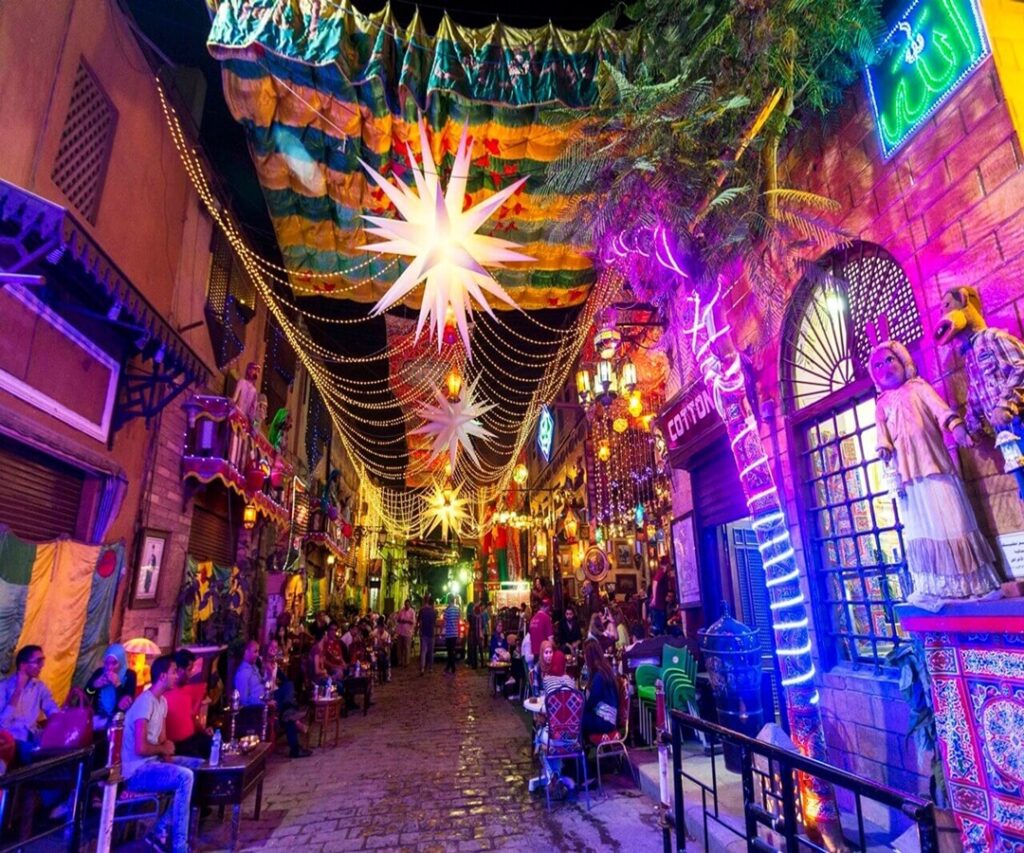

Guide to finding unique souvenirs in local markets in Egypt
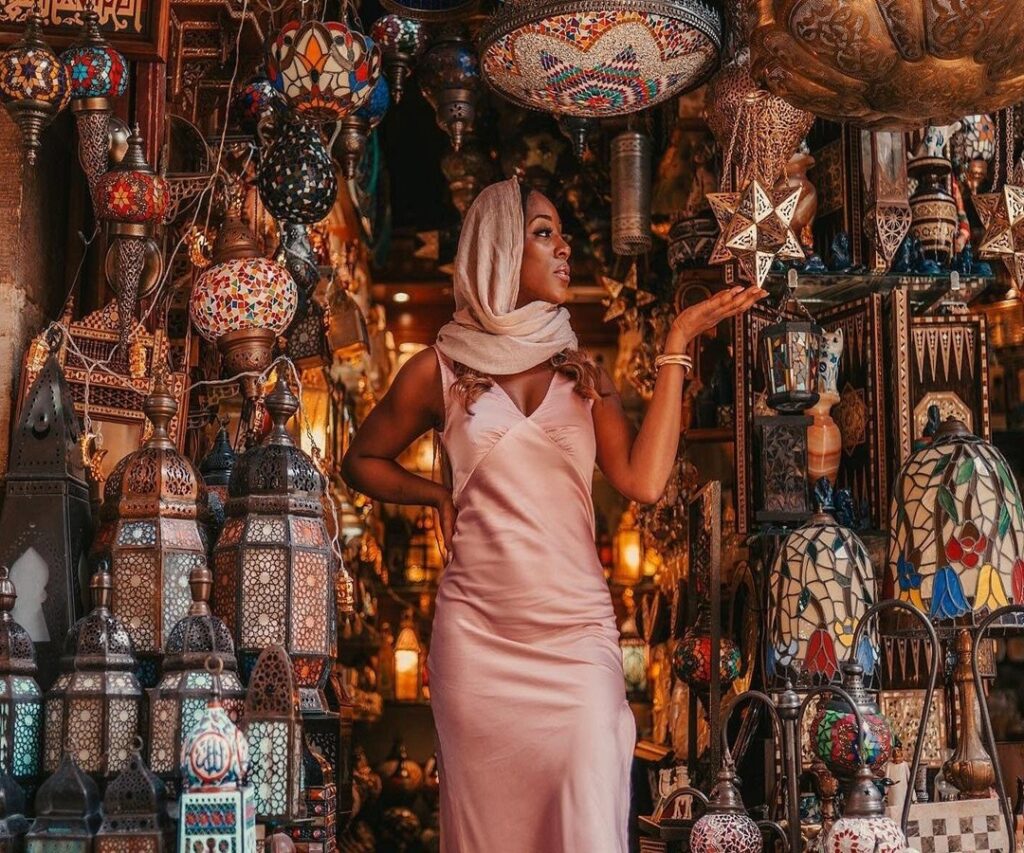
Buying souvenirs in Egypt's markets is much more than acquiring objects. It's a journey through 600 years of history. It begins in Cairo's Khan El Khalili Bazaar, where ancient Egyptian designs gleam on gold jewelry and papyrus scrolls. These Egyptian souvenirs tell stories of pharaohs and artisans. They make authentic Egyptian gifts, perfect for any traveler.
Imagine strolling through the tranquil souks of Luxor. Here, handwoven baskets mingle with the scent of saffron, which ranges in price from $10 to $30 per gram. In Aswan, Nubian pottery and vegetable-tanned leather goods showcase craftsmanship passed down through generations. Even in bustling markets like Khan El Khalili, the ritual of haggling begins at half price. This cultural dance is as old as the markets themselves.
From alabaster vases to Egyptian cotton scarves, each item reflects Egypt's heritage. But how do you identify a genuine papyrus scroll? Or how do you negotiate fairly without feeling overwhelmed?
This guide will help you navigate markets like El Dahar or Souk Al Fustat. Here, 90% of transactions still rely on cash and a smile. With tips on etiquette, prices, and authenticity, you'll leave with more than just souvenirs. You'll take home a piece of Egypt's timeless soul.
Imagine strolling through the tranquil souks of Luxor. Here, handwoven baskets mingle with the scent of saffron, which ranges in price from $10 to $30 per gram. In Aswan, Nubian pottery and vegetable-tanned leather goods showcase craftsmanship passed down through generations. Even in bustling markets like Khan El Khalili, the ritual of haggling begins at half price. This cultural dance is as old as the markets themselves.
From alabaster vases to Egyptian cotton scarves, each item reflects Egypt's heritage. But how do you identify a genuine papyrus scroll? Or how do you negotiate fairly without feeling overwhelmed?
This guide will help you navigate markets like El Dahar or Souk Al Fustat. Here, 90% of transactions still rely on cash and a smile. With tips on etiquette, prices, and authenticity, you'll leave with more than just souvenirs. You'll take home a piece of Egypt's timeless soul.
Exploring the Vibrant World of Egyptian Markets
Immerse yourself in Egypt's markets, where history and commerce intertwine. These vibrant places are much more than just shopping destinations; they are living museums. Khan El Khalili, founded in 1382, is a prime example. It boasts 1,000 shops selling everything from spices to souvenirs.
Here's how to explore this vibrant world:
Here's how to explore this vibrant world:
Historical Roots and Social Pulse
Egyptian bazaars like Khan El Khalili have existed for centuries. They were social hubs, not just places of commerce. Medieval buildings line the streets, with old cafes like Cafe El Fishawy.
Each item here tells a story older than modern shopping malls.
Each item here tells a story older than modern shopping malls.
The Encounter of East and West: A Cultural Shift
- Sensory immersion : Markets stimulate all the senses: the smells of incense, the sounds of vendors calling out, and the textures of hand-woven fabrics.
- Haggling rituals : Unlike shops with fixed prices, haggling here is a social dance. It starts 30-50% below the asking price.
- Stories of the artisans : Many vendors are fourth-generation artisans; items such as papyrus art or alabaster carvings are made in the same place.
Timing Tips for Unforgettable Visits
To find the best Egyptian market experiences:
- Early bird catches the worm : Arrive before 11 AM to avoid crowds and negotiate better deals.
- The glow of the golden hour : Visit after 6 PM, when the markets are illuminated with lanterns, creating a magical atmosphere.
- Avoid peak crowds : Fridays see reduced activity in some stores, while major holidays like Eid bring larger crowds.
Whether you're looking for Egyptian cotton textiles or souvenirs, these markets offer more than just shopping. They're a journey through millennia of culture. Have small bills ready and let your curiosity guide you through the alleyways, where every vendor has a story to tell.
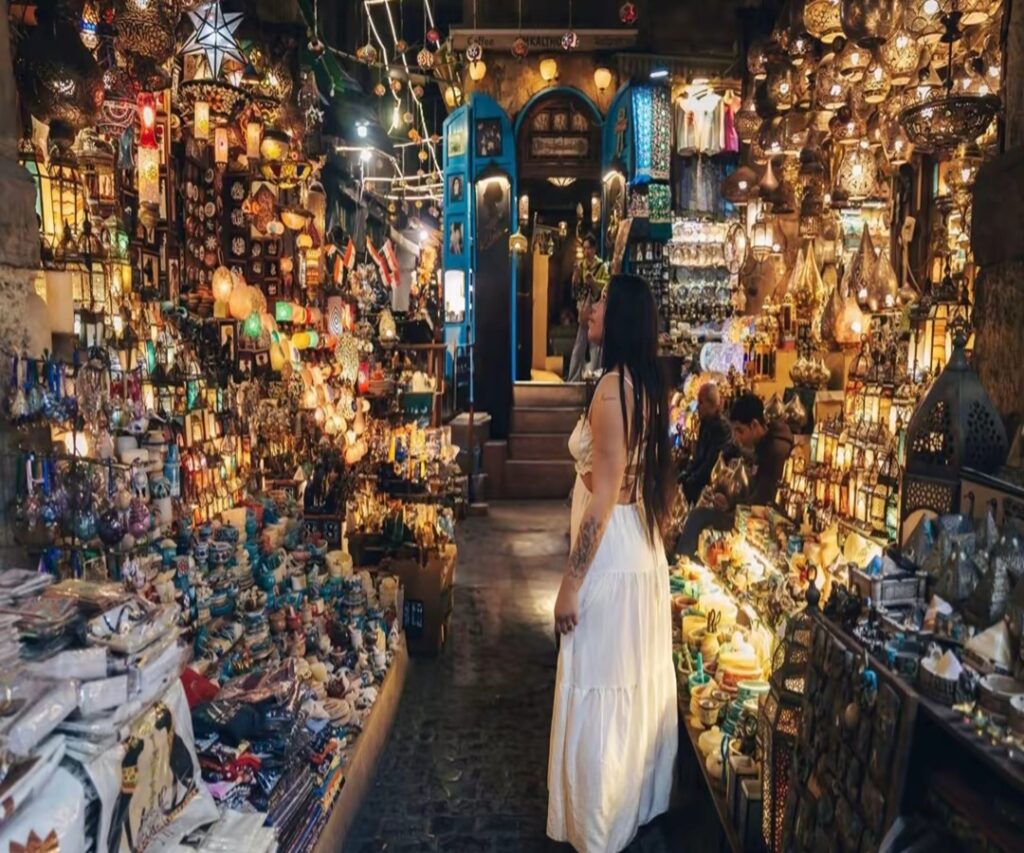
Must-Have Egyptian Souvenirs That Are Worth Your Money on Vacation
When shopping for souvenirs in Egypt, choose items that are both traditional and useful. Here is a list of the best souvenirs found in Egyptian markets. Each one is connected to Egypt's rich culture:
- Papyrus Art : Find authentic papyrus scrolls or paintings from sellers certified by the Papyrus Institute. Real papyrus has interwoven fibers and is heavier than fakes. Prices start at 10 LE. Check the texture by holding it up to the light to see the natural grain.
- Essential Oils and Perfumes : The markets of Khan El Khalili sell concentrated oils such as jasmine and lotus. These luxurious souvenirs last longer than counterfeit perfumes. A small bottle costs between 50 and 150 LE, depending on the brand.
- Alabaster Carvings : Look for pyramids, scarabs, or canopic jars made of real alabaster. They shimmer when held up to the light. Quality pieces cost between 100 LE and 500 LE. Make sure they feel heavy and are clear.
- Egyptian Cotton : Bed linens and towels made from this cotton are very soft. They make excellent souvenirs. Prices range from 200 to 400 LE for high-quality items. Look for the "Egyptian Cotton" label.
- Handmade Jewelry : Gold ankh crosses or silver scarab pendants carry ancient meanings. Check for purity hallmarks such as 21K or 24K. Cartouche necklaces with hieroglyphs cost between €15 and €30 and are common in Luxor's markets.
- Spice Mixes : The Aswan Spice Market sells dukkah mixes and whole spices like cumin. A small tin costs between 15 and 30 LE. Store them in airtight containers to keep them fresh for months.
- Handwoven Textiles : Colorful kilims or linen scarves from Luxor's markets display traditional patterns. Prices range from 50 LE to 150 LE for medium-sized pieces. Look for tightly woven yarns to ensure quality.
- Leather Goods : Bags or sandals made of tanned leather by Nubian artisans in the markets of Aswan are very durable. Prices range from 30 LE to 100 LE. Test for flexibility; stiff leather is a sign of poor workmanship.
- Ceramics and Pottery : Glazed bowls or oil lamps with hieroglyphs cost between 20 and 80 LE. Smaller items make excellent souvenirs. Check for hand-painted details to ensure authenticity.
- Souvenir Pyramids : Miniature pyramids made of alabaster or basalt start at 50 LE. Gold pyramids cost 200 LE. Choose heavier pieces; lighter ones are often fake.
Always check the materials before buying : translucent alabaster, interwoven papyrus, and heavy essential oils are signs of authenticity. Haggle politely but fairly. These top souvenirs from Egypt tell stories that mass-produced items simply can't match.
Traditional Crafts that Tell the Ancient Stories of Egypt
When you explore Egyptian markets, you'll find objects steeped in history. Look for handicrafts from the Pharaonic and Islamic eras. These authentic Egyptian gifts are much more than just souvenirs. They connect us to a civilization that profoundly influenced art and craftsmanship.
Hand-carved items in alabaster and stone
Alabaster carvings of pyramids and statues are some of the best souvenirs in Egyptian markets. Luxor's artisans have worked the stone for centuries. Look for smooth finishes and detailed hieroglyphs.
Prices start at $20 for small vases. Larger sculptures can cost up to $200.
Prices start at $20 for small vases. Larger sculptures can cost up to $200.
Papyrus Scrolls and Paintings
Authentic papyrus, revived in the 1960s, is made from Nile reeds. Look for vibrant scenes of the Temple of Karnak, printed to look authentic.
Real papyrus has a honeycomb-like texture. Avoid imitations made from banana leaves. Papyrus scrolls cost between $5 and $50, making them affordable Egyptian souvenirs.
Real papyrus has a honeycomb-like texture. Avoid imitations made from banana leaves. Papyrus scrolls cost between $5 and $50, making them affordable Egyptian souvenirs.
Egyptian Cotton Products
Wrap yourself in luxury with Egyptian cotton sheets or shawls. These are made from Giza 76 or Giza 45 cotton. Cairo's markets sell towels, robes, and tablecloths with pharaonic patterns.
Always check the label to make sure it's "Egyptian cotton." The real fabric has a silky feel. Fakes are rough or stiff.
Always check the label to make sure it's "Egyptian cotton." The real fabric has a silky feel. Fakes are rough or stiff.
Traditional Jewelry and Beetles
Goldsmiths like Achmed Mahmoud create authentic Egyptian gifts such as ankh pendants and scarab rings. They use techniques dating back to the 1400s. Look for embossed patterns on silver trays or enameled necklaces.
Be careful with heavy gold plating. Genuine pieces may have minor imperfections. Jewelry ranges from $15 to $150, with antique-style scarabs for under $20.
Be careful with heavy gold plating. Genuine pieces may have minor imperfections. Jewelry ranges from $15 to $150, with antique-style scarabs for under $20.
Where to Buy Souvenirs in Egypt? Markets vs. Tourist Shops
Choosing between local markets and tourist shops depends on what matters most to you. For authentic souvenirs from Egyptian markets, bustling bazaars like Cairo's Khan el-Khalili offer vibrant experiences. Here's how each option compares:
- Markets : They thrive on haggling, but reward patience. When shopping for souvenirs in Cairo, the 400-year-old aisles of Khan el-Khalili sell everything from $10 papyrus scrolls to $300 alabaster sculptures. Expect lively negotiations; prices often start 30-50% higher than fair value.
- Disadvantages : They are time-consuming, and the quality can be inconsistent. A $500 gold scarab at one stall could be fake just a few steps away. Always check for hallmarks of authenticity on jewelry and the translucent edges of alabaster.
- Tourist shops : These offer fixed prices and signage in English, making shopping stress-free. Luxury malls like Cairo's City Stars sell certified products such as $100 Egyptian cotton shawls. But expect higher costs: perfume oils here cost $200 compared to $25 in the markets.
- No Man's Land : Government-certified shops and cooperatives, like those in Luxor's Handicraft Center, offer an intermediate solution. They provide receipts and export certificates, which are crucial for items like $150 pharaonic statues.
For unique finds in Egyptian markets, prioritize those selling one-of-a-kind items like hand-painted copper trays ($15-$100). Visit the spice stalls in Khan el-Khalili at dawn to avoid the crowds. If you have any doubts, ask the vendors about the origin stories. True artisans are happy to share the heritage of their craft.
Souvenir Shopping in Egyptian Markets: A City-by-City Guide
Explore Egypt's best markets to find unique souvenirs. Start your souvenir shopping in Cairo at Khan el-Khalili. This ancient market has gold, spices, and textiles.
Look for Khayamiya textiles in the Shopkeepers' Bazaar. These colorful fabrics tell stories of Cairo's past. The Siwa Oasis is famous for its dates, producing 17% of the world's dates.
Travel south to find souvenirs in Egypt, such as the alabaster workshops of Luxor. Watch artisans create stone vases. The spice markets of Aswan offer saffron and incense blends.
For unique finds, visit the Nubian pottery of El Minya and the handwoven carpets of Sohag. These carpets feature earthy geometric patterns.
Look for Khayamiya textiles in the Shopkeepers' Bazaar. These colorful fabrics tell stories of Cairo's past. The Siwa Oasis is famous for its dates, producing 17% of the world's dates.
Travel south to find souvenirs in Egypt, such as the alabaster workshops of Luxor. Watch artisans create stone vases. The spice markets of Aswan offer saffron and incense blends.
For unique finds, visit the Nubian pottery of El Minya and the handwoven carpets of Sohag. These carpets feature earthy geometric patterns.
- Cairo : Khan el-Khalili (open 9:30 AM to 11 PM) for jewelry and perfumes. Pro tip: Check the perfume dilution ratios (1:9 for pure parfum) to avoid overpaying.
- Alexandria : Attarine Market for Mediterranean-influenced pottery and fresh seafood at the Fish Market (6 AM–2 PM).
- Smaller villages : Organic dates from Siwa, pottery from El Minya and Bedouin textiles from Sohag.
- Luxor/Aswan : Alabaster carvings in the Luxor Bazaar and Nubian spice stalls in Aswan. Visit the workshops to see glassblowing with its characteristic air bubbles.
When shopping for souvenirs in Egypt's markets, consider the season. Autumn (September to November) is cooler and less crowded. Haggle politely; smiling and saying "Inshallah" (God willing) can reduce prices by up to 30%. This guide will help you find treasures showcasing Egypt's timeless art.
Mastering the Art of Haggling: Getting the Best Deal
Haggling is a social ritual in Egyptian markets, not just a way to save money. Follow these tips to navigate souvenir shopping in Egyptian markets like a local:
- Start low : Vendors often quote prices up to 10 times the item's value. Aim for half of their initial offer when buying souvenirs in Egyptian markets. For expensive items like gold or alabaster, aim for 40-50% less.
- Learn key phrases : Say “Bayazan?” (How much does it cost?) and “Thani men fadlak” (Please lower it). A simple “Shukran” (Thank you) keeps interactions friendly.
- Create bundles for discounts : Ask for group offers on items from Egyptian markets, such as spices or textiles. Bundled purchases can reduce costs by 10% to 30%.
- Walk away : If you get stuck, leave. Many sellers lower their prices by 15% to 50% when you return. This tactic works best for high-value items.
- Avoid scams : Ignore claims of “Nubian pounds” or “last price” counterfeits. Always verify that items are authentic, such as genuine papyrus or 18-karat gold.
- Small souvenirs like keychains are not worth haggling over : Pay the asking price to support local artisans. Always check for "100% Egyptian Cotton" labels and ask for certificates for perfumes or antiques. Remember: a fair deal benefits both you and the seller. Happy haggling!
Cultural Etiquette When Shopping in Egyptian Markets
Looking for advice on souvenir shopping in Egypt is about more than just finding authentic Egyptian gifts. It's about respecting local customs. In this way, shopping becomes a cultural exchange. Here's how to shop safely in Egyptian markets:
- Appropriate Dress and Behavior : Wear modest clothing that covers the shoulders and knees; 60% of visitors consider this respectful in religious areas.
- Politely accept the tea or snacks offered : Refusing can seem rude, even if you're not buying.
- Maintain a respectful distance when conversing : Personal space norms may differ from Western standards.
Building a Relationship with Local Merchants
Being friendly builds trust. Start by talking about local crafts or landmarks. Showing interest in Egyptian souvenirs, like alabaster carvings, shows you genuinely care. Remember:
- Smile while you haggle : Start at 50% of the asking price, but walk away if the seller insists on high prices. Often, they'll call you back with a lower offer.
- Give a 10-15% tip for exceptional service : This is in line with the Egyptian cultural expectation of 85% for tips.
Arabic Phrases That Will Improve Your Shopping Experience
Learn these essential phrases to connect more deeply:
- “Sabah al-khayr” (Good morning) / “Masaa al-khayr” (Good evening) – Greet the vendors cordially.
- “Shokran” (Thank you) – Always expresses gratitude.
- “Bir-riya” (Just looking) – Use it if you’re not ready to buy.
- “Kam akhtar?” (How much cheaper?) – Haggle politely.
Simple phrases like “Zayyed” (Yes) or “La” (No) facilitate interactions. Locals appreciate the effort—75% of tourists report smoother experiences when using basic Arabic.
Identifying Authentic Treasures vs. Tourist Traps
Buying authentic gifts from Egypt is more than just choosing pretty items. Here's how to spot real treasures from tourist traps. This way, you can find the best souvenirs in Egyptian markets.
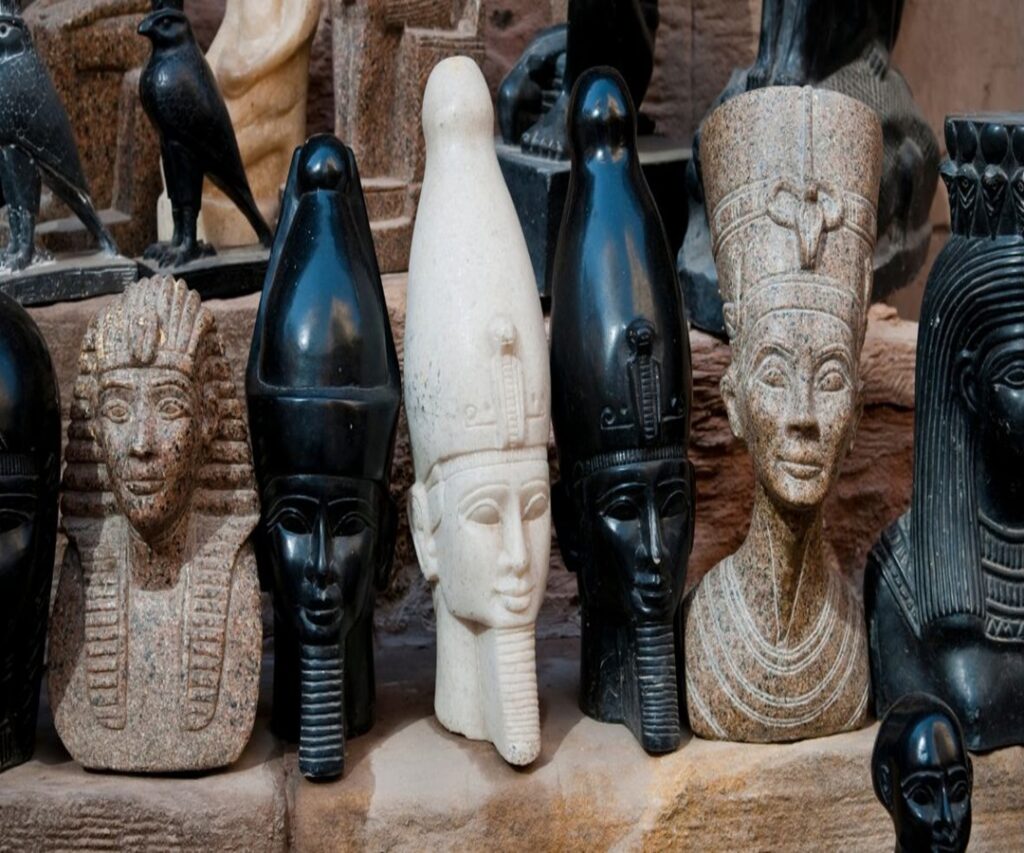
How to Identify Handmade Items vs. Mass-Produced Products
- Papyrus : Fold it gently. True papyrus folds without tearing and shows interwoven fibers. Avoid stiff sheets made from banana leaves or paper.
- Alabaster : Tap it gently. Handmade pieces have irregular grain and tool marks. Fake items made of resin sound hollow or feel lightweight.
- Textiles : Check for irregular patterns and uneven edges. Machine-made fabrics lack the subtle imperfections of handwoven items like those found in Luxor or Aswan.
Common Scams to Avoid
- Fake antiques : Sellers may claim that items are antiques. Genuine Egyptian antiquities are illegal to buy. Ask for export permits—legitimate sellers will have them.
- Ivory scams : Buying ivory is legal in Egypt, but importing it into the U.S. is prohibited. Opt for bone or wood products instead.
- Fake certifications : Some sellers use labels that mimic government seals. Ask to see the artisan's mark or workshop details.
Questions to Ask Before Buying
Ask these key questions to the salespeople:
- Where was this made? Look for local origins such as Luxor or Aswan.
- What materials are used? Avoid vague answers. Genuine alabaster comes from quarries in Upper Egypt.
- Is it handmade? Mass-produced products often lack the small imperfections of the finest authentic souvenirs from Egypt.
Shopping smart supports local artisans and ensures your souvenirs truly reflect Egypt's heritage. Always carry a magnifying glass to inspect the details closely!
Bringing Your Treasures Home: Customs, Shipping, and Packaging Tips
Before packing your Egyptian souvenirs, check your country's import regulations. Find out what's allowed. Avoid items labeled as "antiques" unless they have export permits.
- Prohibited Items : Do not attempt to export coral, fossils, or items marked as archaeological finds. Egyptian law imposes heavy fines on violators.
- Packing Fragile Items : Wrap alabaster carvings in bubble wrap. Use airtight plastic bags for papyrus scrolls to prevent moisture damage. Fold small textiles like kilim rugs to save space.
- Shipping Options : Use reliable courier services like Egypt Post or DHL for large items. Have jewelry or Egyptian cotton linens delivered to your home.
- Souvenir Declaration : Declare all souvenirs over $100 upon departure. Keep receipts and certificates of authenticity for gold jewelry. Use vacuum-sealed bags for spices or small souvenirs to save space. Ask vendors to pack ceramics in their own packaging.
- Customs Forms : Declare everything about your souvenirs on the departure forms. Even dried dates or henna products may need to be declared.
- Weight Limits : Copper items and stone carvings are heavy. Please check your airline's baggage rules before purchasing.
- Local Help : Most markets, like Khan el-Khalili, offer shipping services. Be sure to confirm tracking numbers and insurance before you leave.
Remember to pack flat items like papyrus art or handwoven baskets. Check if your airline has any special rules regarding perfumes. A little planning means your memories will arrive safely, reminding you of your adventure.
Best Seasons to Buy Souvenirs in Egypt
Timing is key when shopping in Egyptian markets. Whether you're looking for bargains or a quieter experience, knowing when to go makes a big difference. Here's how to plan your trip:
Festival Times and Special Market Days
- Ramadan : The night markets in Cairo's Khan el-Khalili are illuminated with lanterns and sweets. Shops offer nighttime discounts to attract customers.
- Eid celebrations : Expect to see many decorations and special items like Eid jewelry. But, there could be larger crowds.
- Local Saints' Festivals : Smaller cities like Aswan have events featuring handmade crafts. You can find Nubian pottery or embroidered textiles.
Climate Considerations for Comfortable Shopping
Avoid the summer heat (June-August) by shopping early or late. Winter (December-February) is mild, perfect for souvenir shopping in Cairo at places like Khan el-Khalili. Always pack light clothing and a reusable water bottle.
Off-Season Advantages for Budget Shoppers
Summer and autumn see fewer tourists. You can find hand-painted vases in Luxor at 20-30% off peak season prices.
Merchants in Aswan's Nubian markets often lower prices to attract buyers during the quieter months.
Outside of Cairo, villages like Abu Simbel offer rare finds. You can find traditional baskets or alabaster carvings at lower prices.
Choosing the right time and knowing where to buy souvenirs in Egypt—such as in local villages rather than tourist hotspots—will help you save money. Always check customs regulations for spices and textiles before making a purchase.
Merchants in Aswan's Nubian markets often lower prices to attract buyers during the quieter months.
Outside of Cairo, villages like Abu Simbel offer rare finds. You can find traditional baskets or alabaster carvings at lower prices.
Choosing the right time and knowing where to buy souvenirs in Egypt—such as in local villages rather than tourist hotspots—will help you save money. Always check customs regulations for spices and textiles before making a purchase.
Conclusion:
Every Egyptian souvenir you bring home tells a story. Egyptian mementos like hand-rolled papyrus scrolls or alabaster statues connect your journey to the artisans. These authentic Egyptian gifts—from Nile-inspired perfumes from Luxor to Nubian textiles from Aswan—carry the soul of the markets.
Smart choices matter. Look for “100% Egyptian Cotton” labels on linens, test papyrus for its supple, interwoven texture, and check gold jewelry at Cairo’s Gold Souk for hallmarks of authenticity. Authentic souvenirs from Egypt like these preserve traditions, support artisans, and ensure your purchases align with ethical tourism. Avoid unauthorized items like antiques to respect Egypt’s heritage.
Let these treasures become conversation starters. A spice jar from the Cairo markets or a hand-painted ceramic plate from Fustat invites others into your journey. Share how you haggled in Khan el-Khalili or how you witnessed the papyrus-making process in Luxor. Each item is a portal to the sights, sounds, and warmth of Egypt's markets.
Your memories are more than just recollections: they are living threads connecting you to Egypt's past and future. Display these objects where they will remind you of laughter over tea with shopkeepers and the thrill of finding that perfect alabaster vase. These authentic Egyptian gifts transform fleeting moments into lasting bonds between cultures, ensuring that the magic of your trip remains alive long after you return.