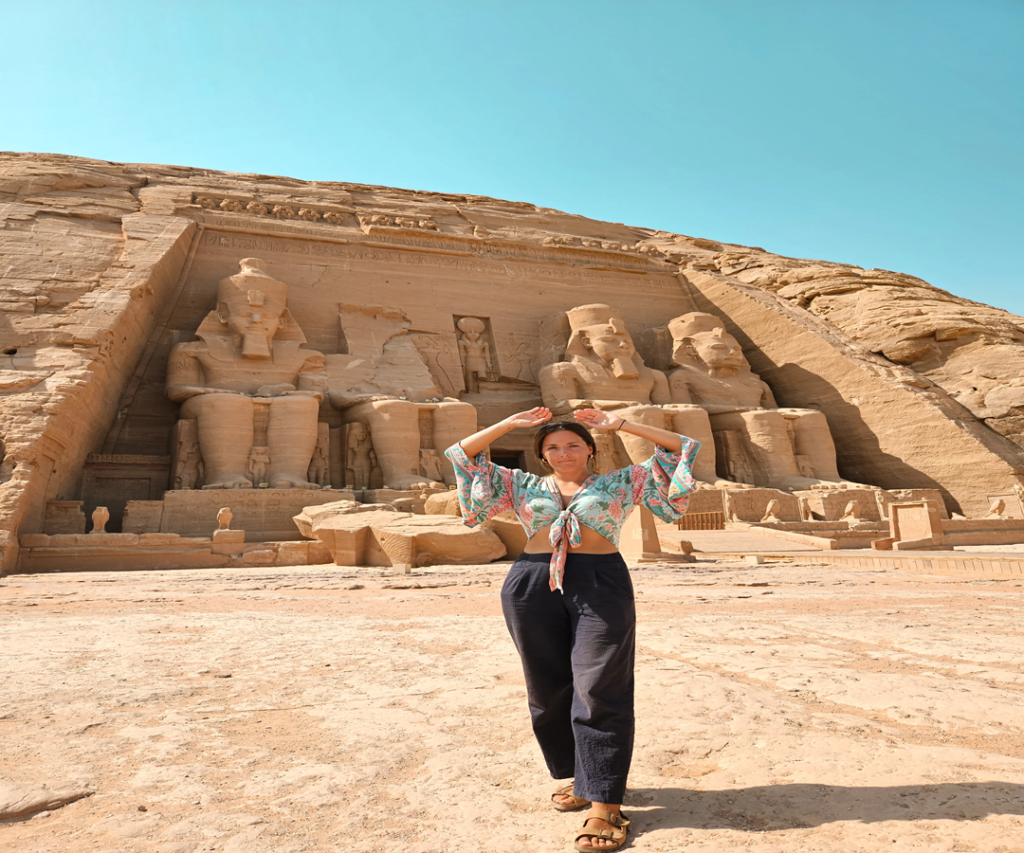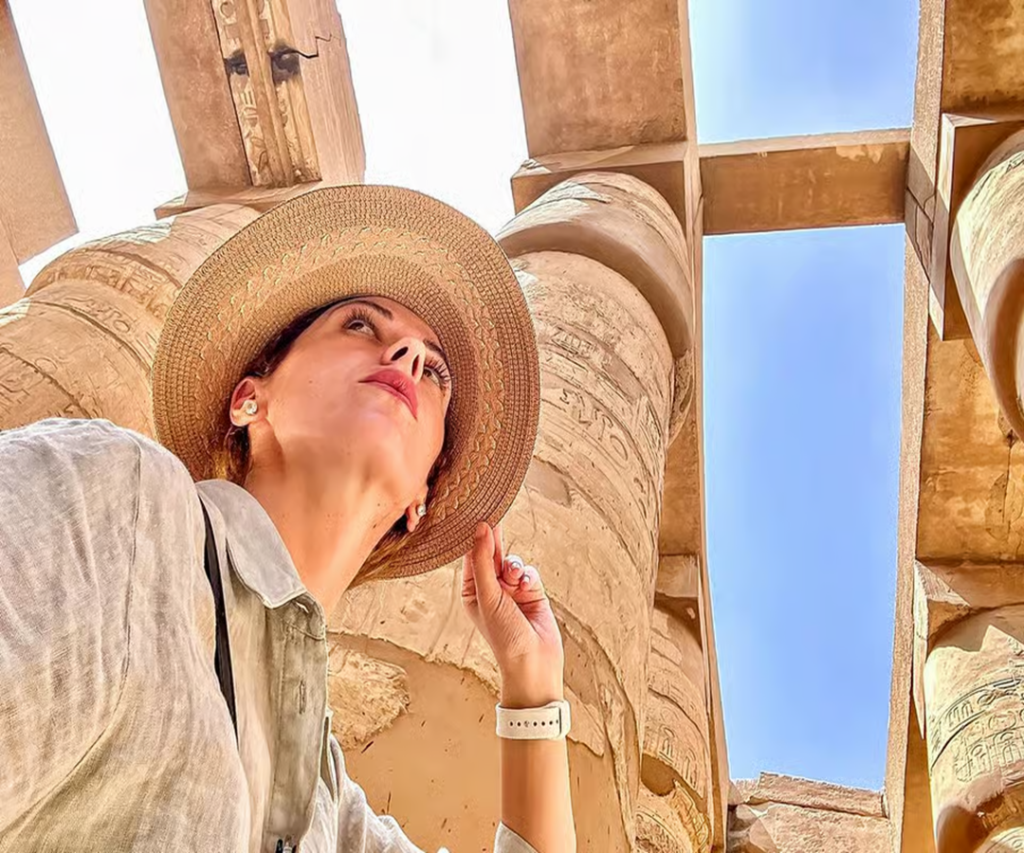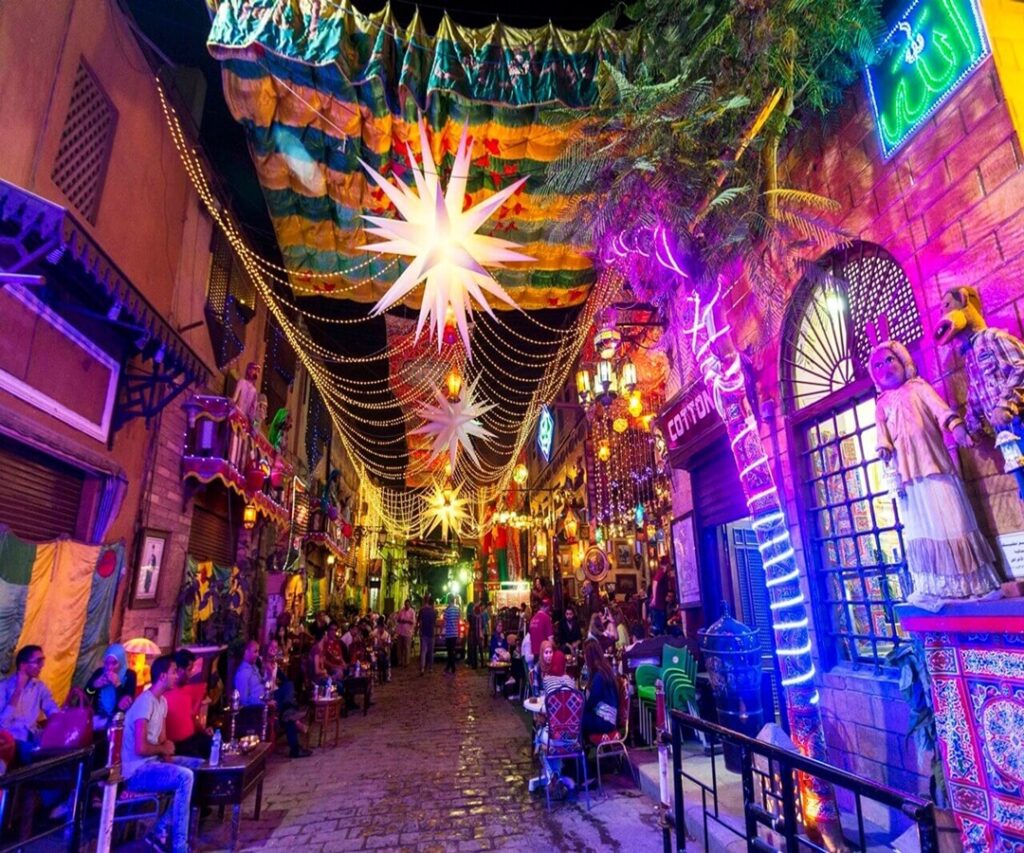

Discover the 7 most delicious Egyptian dishes you can try
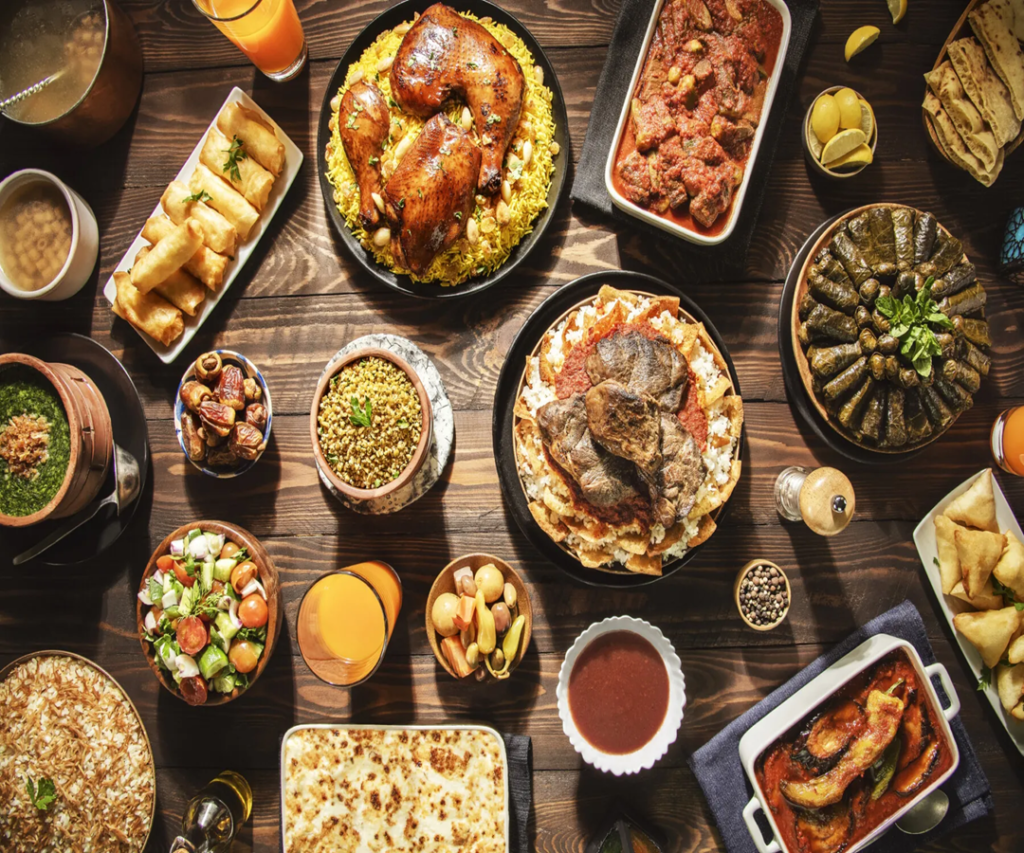
Egyptian food is a blend of history and flavor, dating back to ancient times. Today, it reflects the flavors of the Nile Valley and other cultures.
Try Kushari, Egypt's favorite dish. It's rice, lentils, and macaroni with crispy onions. Shawarma is also a must-try, featuring marinated meat cooked on a spit. Ful wa Ta'meya is a fava bean stew with chickpea fritters. Kofta and Molokhiya are ideal for meat lovers.
Molokhiya is a green soup made with mallow leaves. Halabesa is a warming chickpea soup perfect for cold days. Basbouza is a semolina pudding. Each dish has its own story, like Aish Baladi and Karkadeh tea. These seven dishes are the heart of Egypt. You can try them all for less than $3. They demonstrate why Egyptian food is loved around the world.
Try Kushari, Egypt's favorite dish. It's rice, lentils, and macaroni with crispy onions. Shawarma is also a must-try, featuring marinated meat cooked on a spit. Ful wa Ta'meya is a fava bean stew with chickpea fritters. Kofta and Molokhiya are ideal for meat lovers.
Molokhiya is a green soup made with mallow leaves. Halabesa is a warming chickpea soup perfect for cold days. Basbouza is a semolina pudding. Each dish has its own story, like Aish Baladi and Karkadeh tea. These seven dishes are the heart of Egypt. You can try them all for less than $3. They demonstrate why Egyptian food is loved around the world.
An introduction to Egypt's rich culinary heritage
Imagine savoring an Egyptian meal that has nourished people for over 4,500 years. Egyptian dishes blend ancient agricultural practices and spice routes, creating unique flavors. Every meal, from street food to family gatherings, shares stories of ancient grains and spices.
- Key ingredients : Wheat, lentils, and chickpeas are common, with cumin, coriander, and cinnamon for flavor.
- Historical layers : Rice dishes from the Roman era, Ottoman desserts like Om Ali, and Arab salads enrich the variety of the cuisine.
- Everyday staples : Aish baladi (bread of life) and Ful Medames (spiced broad beans) are favorites. Koshari, a mix of pasta and lentils, offers a modern twist.
Even simple meals are connected to Egypt's history. Dishes like Molokhia soup and Hawawshi (spiced meat pastries) show how food adapts without losing its traditions. Enjoying a Ta'ameya falafel or a Sahlab tea allows you to savor the history of cultural exchange.
These traditions live on today: street vendors serve Besarah (fava bean dip) just as the ancient Egyptians did. Egyptian dishes are more than just food: they connect us to a rich culinary past.
These traditions live on today: street vendors serve Besarah (fava bean dip) just as the ancient Egyptians did. Egyptian dishes are more than just food: they connect us to a rich culinary past.
Understanding the cultural significance of Egyptian food
Egyptian food is more than just meals. It's a story of land, time, and people. From the Nile to the bustling markets, every dish tells a part of the story. Let's explore how geography, history, and region shape Egypt's culinary culture.
How geography shaped Egyptian cuisine
The Nile's floods transformed Egypt into a food paradise. For over 5,000 years, emmer wheat was a key crop. Today, dishes like koshari and ful medames still use these ingredients.
Coastal cities like Alexandria have fish markets. The arid lands of Upper Egypt favor hearty stews like molokhia. This combination of resources forms the basis of Egypt's main dishes.
Coastal cities like Alexandria have fish markets. The arid lands of Upper Egypt favor hearty stews like molokhia. This combination of resources forms the basis of Egypt's main dishes.
The historical evolution of Egyptian dishes
- ANCIENT ROOTS : Grave paintings and texts show that bread, beer, and lentils were daily staples 4,000 years ago.
- FOREIGN FLAVORS : Greek, Roman, and Ottoman influences contributed spices and culinary techniques. However, dishes like taameya (fava bean croquettes) remain essentially ancient.
- MODERN FAVORITES : Koshary, a mixture of rice, lentils and pasta, evolved from 19th-century street food to become Egypt's signature dish.
Regional variations in Egyptian cuisine
The flavors change from the Delta to the Red Sea:
- NORTH COAST : Alexandria's markets buzz with fish grills and domiati cheese, a savory delicacy.
- UPPER EGYPT : Spicier molokhia soups and date-filled pastries highlight the resilience of the desert.
- CITY VS. COUNTRYSIDE : Urban areas serve fast street food like falafel. Rural tables focus on seasonal vegetables and bread.
Every bite of Egyptian food tells a story. It speaks of survival, trade, and tradition. These layers make Egyptian cuisine a timeless journey.
The essential cuisine you must try in Egypt if it's your first visit
Visiting Egypt is more than just seeing pyramids and learning about history. It's an opportunity to savor the cuisine you absolutely must try in Egypt. The flavors of Egypt's must-try dishes share stories of tradition and diversity. You'll find incredible dishes at street stalls and family-run restaurants.
1.Koshari – Egypt's iconic dish combines lentils, rice, and crispy onions. Head to Abou Tarek in Cairo to try this carb-heavy favorite.
2.Ful Mudammas – Creamy mashed broad beans with garlic and olive oil. Serve with pita bread for a hearty breakfast or a quick snack.
3.Molokhia – A leafy green stew, often served with chicken or meat. Its slightly bitter flavor is characteristic of Egyptian cuisine.
4.Fiteer Meshaltet – A flaky pastry filled with cheese or spiced meat. Perfect for a sweet or savory breakfast.
5.Hawawshi – Spiced minced meat baked inside pita bread. Look for vendors near Islamic monuments to try authentic street food.
6.Macaroni bil Bechamel – Baked macaroni with ground beef and béchamel sauce. A comforting, classic homemade dish.
Street food stalls with long lines are usually your best guide: locals trust them for their quality. Pair your meals with kanzeh (hibiscus tea) for a refreshing touch. These dishes aren't just food; they're a window into millennia of Egyptian culture. Don't skip Egypt's must-try food: it's as essential as the Pyramids to your trip.
2.Ful Mudammas – Creamy mashed broad beans with garlic and olive oil. Serve with pita bread for a hearty breakfast or a quick snack.
3.Molokhia – A leafy green stew, often served with chicken or meat. Its slightly bitter flavor is characteristic of Egyptian cuisine.
4.Fiteer Meshaltet – A flaky pastry filled with cheese or spiced meat. Perfect for a sweet or savory breakfast.
5.Hawawshi – Spiced minced meat baked inside pita bread. Look for vendors near Islamic monuments to try authentic street food.
6.Macaroni bil Bechamel – Baked macaroni with ground beef and béchamel sauce. A comforting, classic homemade dish.
Street food stalls with long lines are usually your best guide: locals trust them for their quality. Pair your meals with kanzeh (hibiscus tea) for a refreshing touch. These dishes aren't just food; they're a window into millennia of Egyptian culture. Don't skip Egypt's must-try food: it's as essential as the Pyramids to your trip.
Koshari: Egypt's beloved national dish
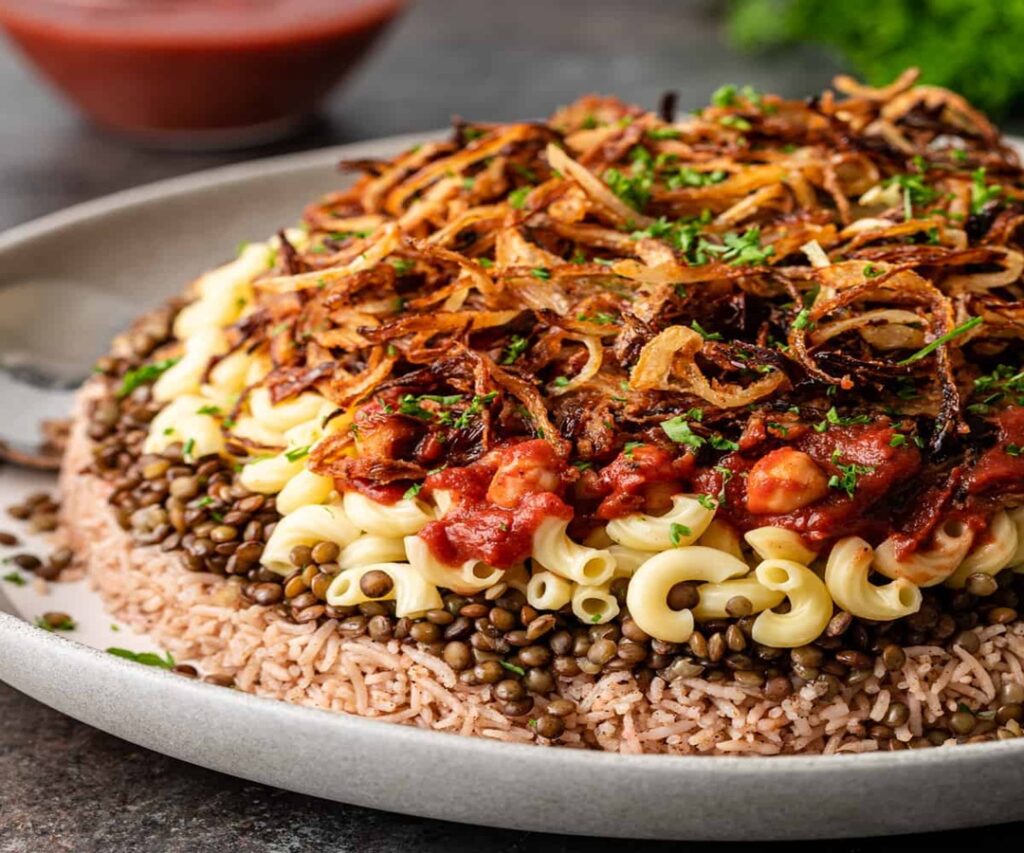
Koshari is more than just food; it's the heart of Egypt. This dish blends simple ingredients into a flavorful combination. It's an essential part of Egyptian culinary culture.
What makes Koshari special?
- Layered ingredients : Rice, lentils, pasta, and chickpeas form the base. Each is cooked separately to achieve the best blend.
- Distinctive toppings : A tangy tomato sauce, crispy fried onions, and garlic vinegar add intense flavors.
- Affordable luxury : It started as street food for workers. Today it's an affordable yet delicious meal for everyone.
How to eat Koshari like a local
Eating Koshari is an art. Mix all the layers together before eating. Add garlic vinegar for a special touch or hot sauce for extra flavor. Locals like to serve it with pickled tomatoes or beans. Remember to let it cool slightly so you don't burn yourself on the hot onions!
Where to find the best Koshari in Egypt
For an authentic taste, visit Koshari Abou Tarek in Cairo. It started as a street cart in 1950 and still costs less than $2. Street vendors in Tahrir Square or the markets of Alexandria also offer excellent koshari. Try it with curry spices or fried eggs for a different twist.
Where to find the best Koshari in Egypt
For an authentic taste, visit Koshari Abou Tarek in Cairo. It started as a street cart in 1950 and still costs less than $2. Street vendors in Tahrir Square or the markets of Alexandria also offer excellent koshari. Try it with curry spices or fried eggs for a different twist.
Traditional Egyptian meat and seafood delicacies
Egypt lies between land and sea, blending the flavors of the Nile and the Mediterranean. Meats and seafood are roasted or cooked in clay pots. These dishes have centuries of tradition.
- Kofta and Kebab : Minced, juicy lamb or beef mixed with herbs like parsley and mint, and grilled on skewers. They are served with tangy salads and warm bread, and are favorite dishes among meat lovers.
- Hamam Mahshi : Pigeon stuffed with rice or bulgur wheat, baked to perfection. An ancient delicacy that was raised in pigeon towers characteristic of the country.
- Sayadeya : A coastal specialty from cities like Alexandria, this fish stew combines Nile tilapia or mullet with aromatic rice and spices. Perfect with citrus sauces like tahini.
- Hawawshi : Lamb or beef seasoned with cumin and garlic, baked inside pita bread. A portable snack sold by street vendors or prepared at home for family meals.
Charcoal grilling adds a smoky flavor to meats. Coastal areas grill fresh sardines, or feseekh, in the spring. These dishes are more than just food; they're a journey through Egypt's landscapes and traditions. Be sure to try these traditional recipes when exploring the country's culinary heartland.
Sweets and desserts that define Egyptian cuisine
Egyptian cuisine features sweets as vibrant as the culture itself. Explore the culinary delights of Egypt that transform any meal into a celebration of flavor and tradition.
Basbousa and the magic of semolina
Basbousa is a golden semolina cake with syrup. It's a must-have at celebrations. The recipe uses 500g of semolina and 200g of sugar, baked at 350°F until crisp.
Look for Koueider, a Cairo brand since 1928, in Middle Eastern markets. Try Harissa with coconut and walnuts, or namoura with rosewater. Each serving has 286 kcal, making it a special treat.
Um Ali: The Legacy of a Sultan
Um Ali, the iconic Egyptian bread pudding, dates back to the 13th century. Shagarat el-Dur, wife of Sultan Ezz el-Din Aybak, prepared it to celebrate his ascension to power. It features layers of flaky pastry with raisins, nuts, and milk. The key ingredients are stale bread, milk, sugar, and cinnamon. Find it at Halawa in New York or Sweet Egypt in Los Angeles for a taste of history.
Basbousa and the magic of semolina
Basbousa is a golden semolina cake with syrup. It's a must-have at celebrations. The recipe uses 500g of semolina and 200g of sugar, baked at 350°F until crisp.
Look for Koueider, a Cairo brand since 1928, in Middle Eastern markets. Try Harissa with coconut and walnuts, or namoura with rosewater. Each serving has 286 kcal, making it a special treat.
Um Ali: The Legacy of a Sultan
Um Ali, the iconic Egyptian bread pudding, dates back to the 13th century. Shagarat el-Dur, wife of Sultan Ezz el-Din Aybak, prepared it to celebrate his ascension to power. It features layers of flaky pastry with raisins, nuts, and milk. The key ingredients are stale bread, milk, sugar, and cinnamon. Find it at Halawa in New York or Sweet Egypt in Los Angeles for a taste of history.
Seasonal sweets: festive flavors
Seasonal Egyptian culinary delights mark life's milestones:
- Kahk : Almond-filled cookies, sprinkled with icing sugar, baked before Eid.
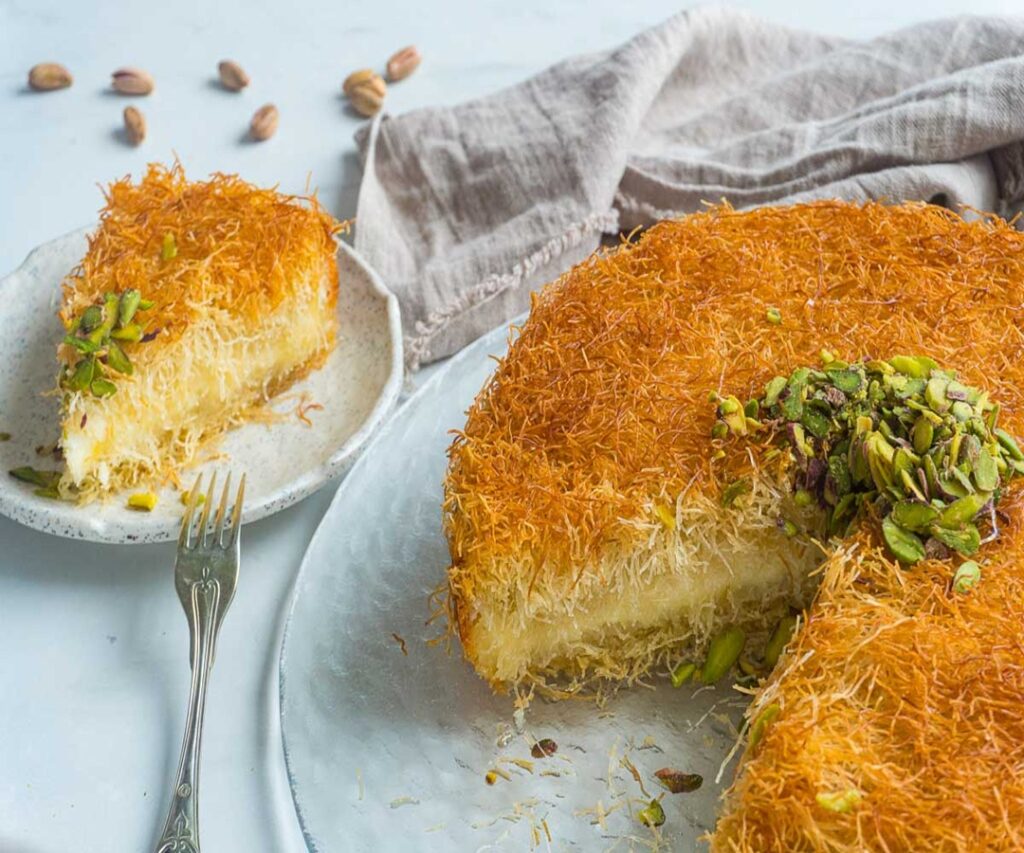
- Kunafa : A pastry made of spun cheese soaked in syrup, a must-have during Ramadan.
- Ma'amoul : Date filling in a shortbread- like dough , shaped with wood.
- Atayef : Stuffed crepes, fried and bathed in syrup, served during the suhoor of Ramadan.
Even everyday favorites like meshabek (twisted dough soaked in syrup) or maamouniya (noodle dessert) showcase Egypt's sweet creativity. These desserts turn any occasion into a feast.
Must-try Egyptian street food experiences
Exploring Egyptian street food is like embarking on a flavorful adventure. From bustling markets to humble carts, these dishes are the heart of everyday Egyptian life. Here's your guide to the must-try foods in Egypt, beloved by locals:
- Ful Medames : Slow-cooked broad beans, mashed with olive oil, lemon, and spices. Serve with pickles and bread for a hearty breakfast.
- Ta'ameya (Egyptian falafel) : Made with fava beans, these crispy balls are served in a warm bun with tangy tahini and vegetables; a vegan triumph with roots in Coptic traditions.
- Hawawshi : Spiced minced meat baked inside flatbread. Look for Hawawshi el Rafaayee in Cairo for the most tender versions.
- Feteer Meshaltet : A flaky, buttery pastry layered with cheese or meat. It's best eaten fresh from the carts in the morning.
- Shawarma : Chicken or beef marinated in garlic, cumin, and sumac, wrapped in brioche bread; a modern favorite that rivals traditional dishes.
Quench your thirst with :
- Freshly squeezed sugarcane juice from street stalls.
- Karkadeh (hibiscus tea) served cold with ice in colorful cups.
- Sahlab , a hot drink of thick milk with orchid powder, cinnamon and nutmeg.
Pro tips for your street food adventure :
- Look for stalls with long lines: they're usually the best.
- Try small portions to savor variety without feeling full.
- Visit the Khan El Khalili market or the streets of Alexandria at dusk to experience its full splendor.
- Ask the locals for their favorite spots: they'll be happy to share places like Farahat to try roast pigeon.
Each bite tells a story of ancient traditions, blending Pharaonic roots with a modern twist. Let your palate travel through the vibrant streets of Cairo to savor the true flavors of Egypt.
Eating like an Egyptian: customs and table etiquette
Exploring Egyptian cuisine is more than just trying new dishes. It's about understanding local dining customs. Here are some tips for enjoying meals with confidence and respect.
- Timing matters : Breakfast (7–10 a.m.) usually includes ful medames . Lunch (2–4 p.m.) is the main meal. Dinners after 8 p.m. are light. Try to follow these times to live like a local.
- Table manners : Always use your right hand to eat. Egyptians reserve their left hand for personal hygiene. When sharing, take a small portion first. Say something like "It's delicious!" instead of asking if it's good.
- Restaurant etiquette : Leaving a 10% tip is customary. Seek out places frequented by locals for an authentic experience. If you don't speak the language, simply point to what you'd like. During Ramadan, avoid eating in public during the day.
- Street food is excellent : Choose busy stalls with fresh ingredients. Make sure the preparation area is clean before ordering.
- Gifts and gestures : Never offer pork or alcohol. Saying nice things about food is very important.
- Sharing in community : Meals are served family-style. Leaving a little on your plate means you're satisfied and there was enough.
Using your right hand and enjoying shared dishes is key. By following these customs, you'll enjoy not only the food, but also the culture that surrounds it.
Conclusion:
Exploring Egyptian cuisine is more than just eating. It's a journey through history, culture, and community. Every bite of the finest Egyptian gastronomy tells a story, from humble koshari to delicate basbousa. Egyptian street food, like falafel taameya and spiced shawarma, offers a vibrant taste of everyday life. Dishes such as molokhia and ful medames reveal age-old traditions.
When you travel to Egypt, let your senses guide you. Wander through the spice bazaars to smell the cumin and coriander. Or savor aish baladi in every meal. Don't stray far from the carts selling hawawshi or sugarcane juice. Egyptian street food is where the flavors truly shine. Seek out family-run restaurants to try authentic roz bel laban or um ali .
Take a piece of Egypt with you by experimenting with spices like sumac or rosewater. Share your discoveries online and join others celebrating this timeless cuisine. Whether you're grilling shami kebabs or sipping mint black tea, Egyptian flavors will remind you of a land where food is a shared joy. Your culinary adventure begins now—what will you try first?