
Don't forget these tips for packing for Egypt
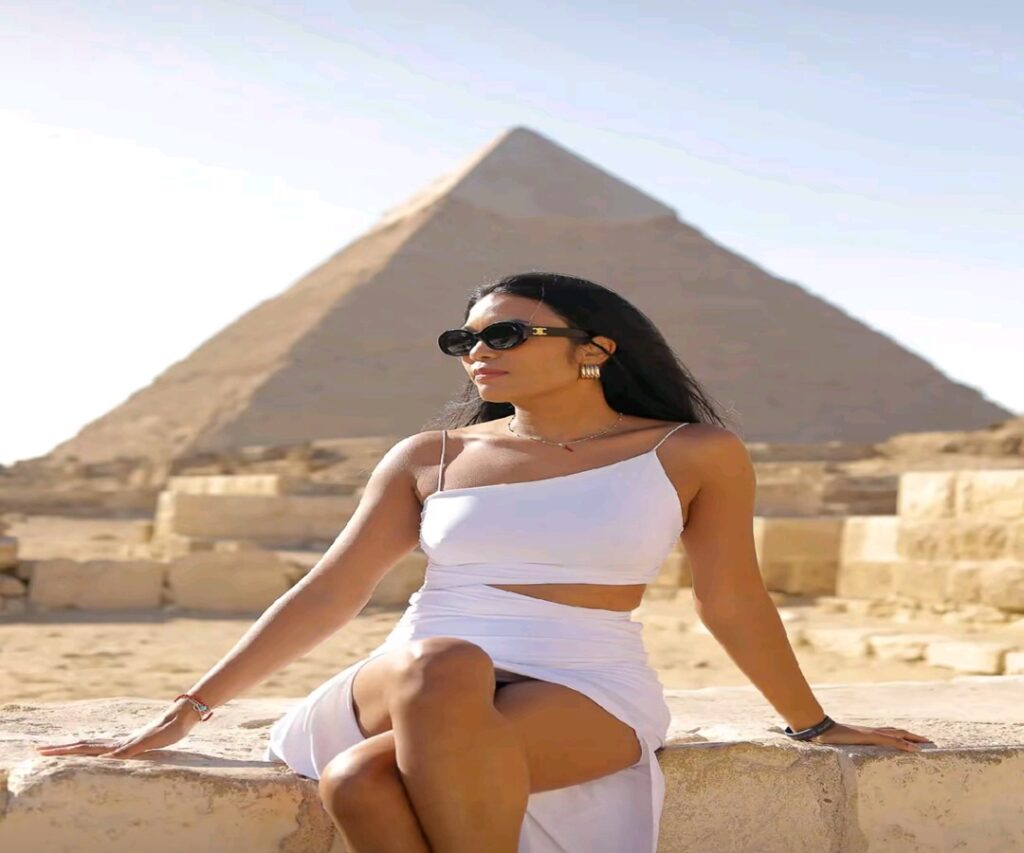
Are you planning a trip to Egypt? Egypt's climate and culture require careful packing. Summer heat can reach 40°C (104°F), so lightweight clothing such as long, loose dresses is recommended. Also, remember to pack garments that cover your shoulders and knees. This is important to respect local customs. Over 80% of travelers say this helps avoid unwanted attention and provides greater comfort.
Start packing with the essentials: a secure daypack, sturdy footwear, and a universal adapter. Sunscreen and electrolytes to combat dehydration are also key. Egypt is a cash-only country, so bring Egyptian pounds for the markets. This guide will help you pack for desert adventures, cultural visits, and modern needs. From a SIM card clip to the right shoes, every detail counts. Ready to explore the wonders of Egypt? Let's start with the basics.
Start packing with the essentials: a secure daypack, sturdy footwear, and a universal adapter. Sunscreen and electrolytes to combat dehydration are also key. Egypt is a cash-only country, so bring Egyptian pounds for the markets. This guide will help you pack for desert adventures, cultural visits, and modern needs. From a SIM card clip to the right shoes, every detail counts. Ready to explore the wonders of Egypt? Let's start with the basics.
Understanding Egypt's Climate and How It Affects Your Packing Decisions
When planning your trip to Egypt, it's crucial to understand the climate. The country's desert climate features extreme temperatures. Summers can exceed 40°C (104°F), while winter nights in mountainous areas can approach freezing. Here's how to adjust your packing list:
Seasonal Climate Variations in Egypt
- Summer (June–September): very hot—over 40°C. Pack light clothing and sun protection.
- Spring (March–May) and autumn (September–November): milder temperatures, but wear layers.
- Winter (December–February): Cool days and cold nights. Pack light sweaters and waterproof jackets.
Considerations for Desert Climate
The heat during the day is intense, but nights can drop by more than 20°C. Pack versatile items such as:
- Lightweight long-sleeved shirts to protect from the sun
- Quick-drying, sweat-wicking fabrics
- Durable footwear for walking on dunes
The Chamsin winds can raise the temperature by more than 15°C—bring a scarf in case of sandstorms.
Packaging Differences: Coast vs. Inland
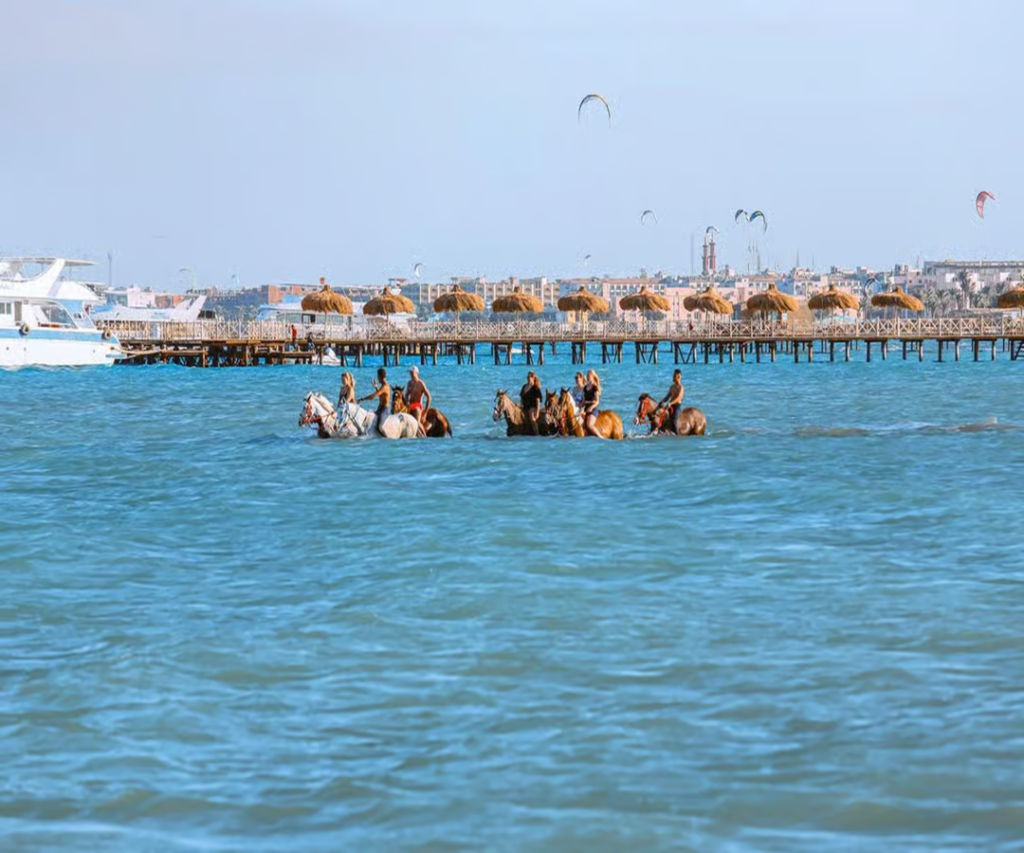
Coastal areas like the Red Sea have higher humidity but milder nights. Pack according to your destination:
- Coast: moisture-wicking swimsuits, reef-safe sunscreen
- Inside: loose-fitting pants to avoid sunburn
- Mountains (Sinai): thermal layers for sub-zero temperatures
Layering is key at all times. Egypt has over 350 sunny days a year, so you should always carry UV protection.
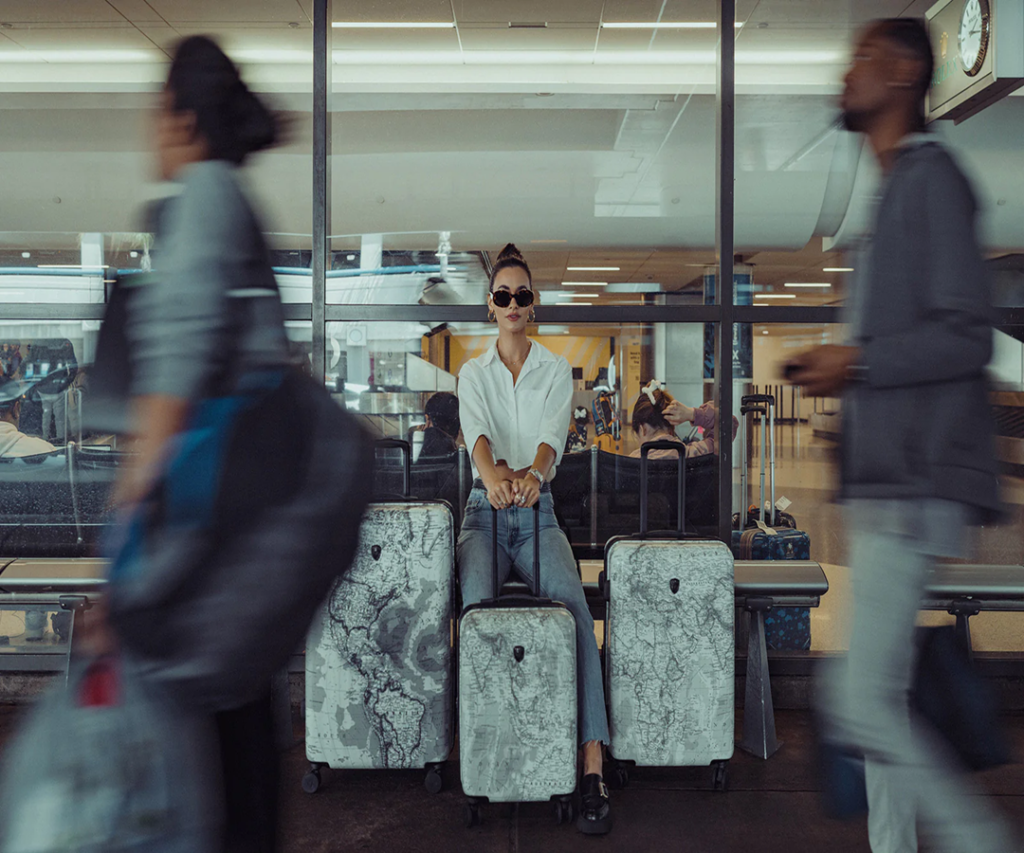
Essential Items for Your Vacation in Egypt
Your packing list for Egypt should focus on practicality and respect for the local culture. These are the essential items for your trip:
- Lightweight fabrics: Choose cotton, linen, or bamboo for shirts and pants. They'll keep you cool in the summer heat. Wear loose-fitting clothing to allow for air circulation.
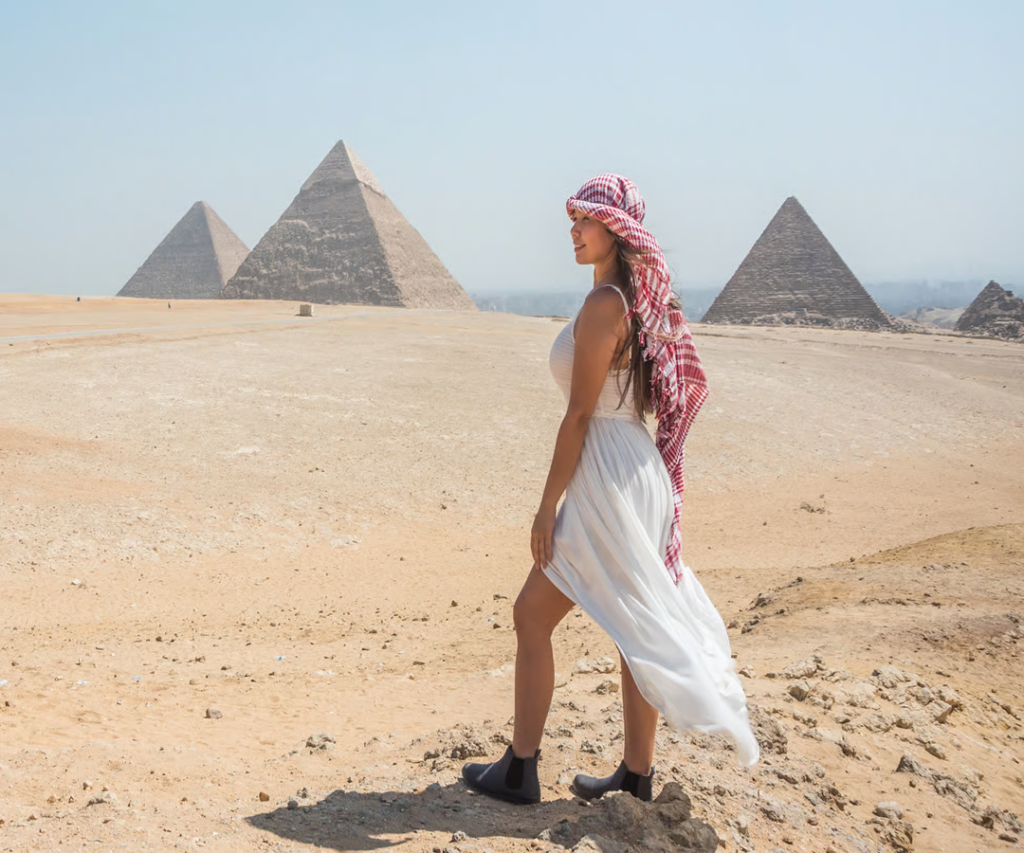
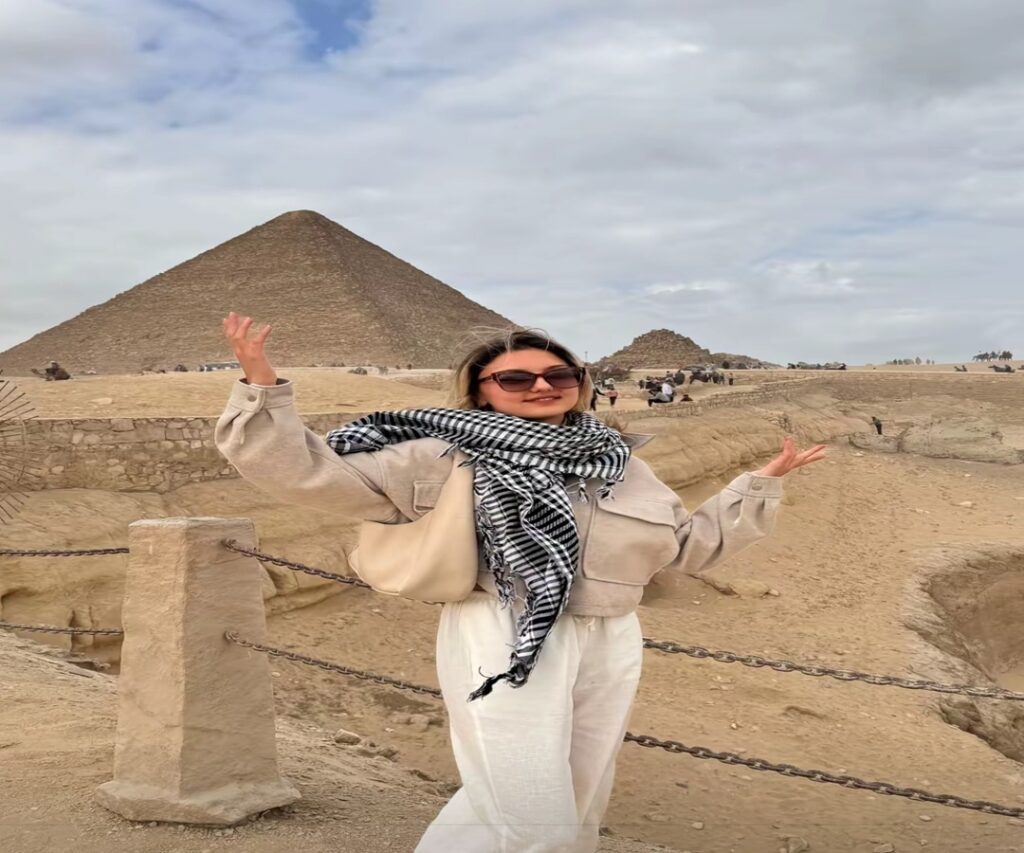
- Modest clothing: Long sleeves and trousers are essential for visiting religious sites. Women should wear a scarf to cover their shoulders and knees.
- Layering: Museums and mosques can be chilly even in summer. Bring a light jacket for cooler evenings.
- Footwear: You'll be doing a lot of walking. Wear comfortable shoes. It's estimated that tourists walk 10,000 steps a day in places like Luxor or the Pyramids.
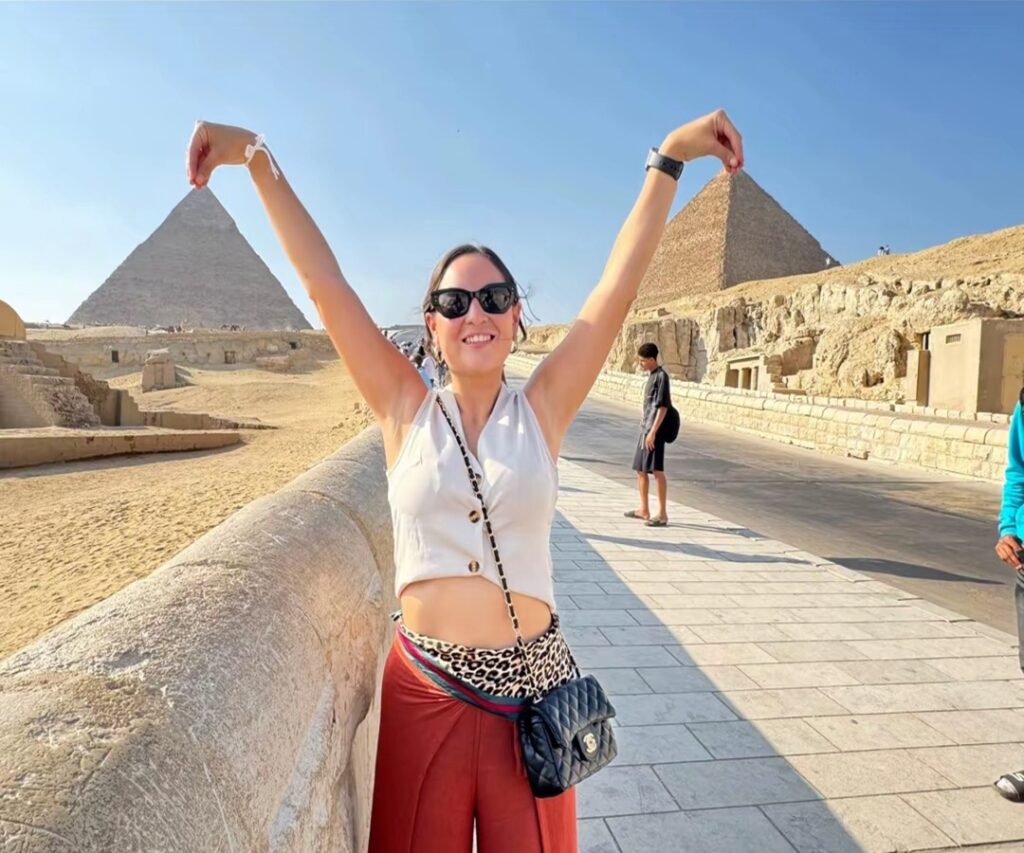
- Sun protection: Wear hats with brims and clothing with UPF protection. Sunglasses are key for the desert glare.
- Swimsuit (optional): At Red Sea resorts, choose modest swimwear that covers your shoulders and abdomen. Around 40% of travelers prefer this.
- Extras: Bring a reusable water bottle and quick-drying towels. A portable fan is useful in the summer humidity.
Combine style with functionality. Women, wear long skirts or ankle-length trousers in conservative areas. Men, avoid shorts in cities. Don't forget a scarf for temple visits: it's useful and respectful.
Cultural Sensitivity: Dressing Appropriately in Egypt
Respecting Egyptian culture starts with your clothing. Dressing modestly conveys respect and comfort. It's a key part of your essentials for visiting Egypt. Here's how to balance style with local customs:
Dress Code for Religious Sites
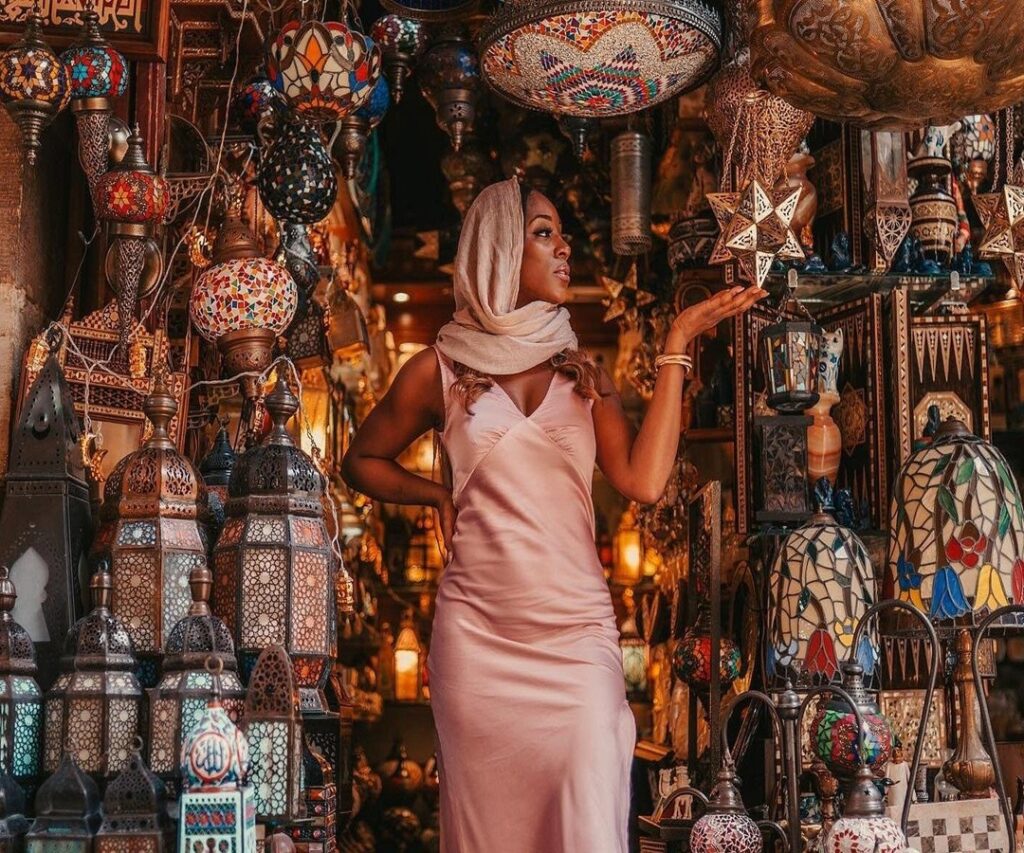
- Cover your shoulders and knees in mosques and churches. Pack scarves or shawls as part of your luggage when traveling to Egypt.
- Women must cover their hair in places like the Alabaster Mosque in Luxor.
- Wear lightweight long-sleeved shirts or a pashmina when visiting temples. This way you can dress appropriately for the surroundings.
Dress Code: City vs. Resorts
- In Cairo or Alexandria, wear loose trousers and collared shirts.
- Shorts are allowed in resorts like Sharm El Sheikh, but not in markets or historical sites.
- Resorts allow swimwear on the beach, but you must cover up when leaving the pools. Wear loose-fitting robes or sarongs to ease the transition.
Gender Considerations
- Women should wear long skirts or maxi dresses when walking around town. Avoid tight clothing in conservative areas.
- Men shouldn't wear shorts in cities—fitted, breathable pants are better. They comply with cultural norms and keep you cool.
Egyptians appreciate visitors who respect their culture while maintaining their own style. Choose versatile pieces and layered options. Dressing modestly ensures a more enriching experience in this historic nation.
Essential Packing Items: Your Complete List for Egypt
Start by organizing your packing list with these essentials. Focus on these categories so you don't forget anything important.
Documents and Money Handling
- Keep your passport, visa, and travel insurance safe. Make digital copies and store them online.
- Bring Egyptian pounds and some USD/EUR for tips and going out. ATMs work in cities, not in remote areas.
- Make sure your cards are enabled for international use. Inform your bank about your trip.
Electronics and Adapters
- Bring a European 2-pin adapter (type C/F), as Egypt uses 220V.
- Pack a portable power bank and protective cases to protect devices from desert dust.
- Use a padded bag for your camera equipment, ideal for excursions or trips along the Nile.
Daypack
- It includes a water filter bottle, SPF 30+ sunscreen, and a lightweight scarf for mosques.
- Add antibacterial gel, travel-size insect repellent, and a first aid kit with bandages.
- It includes a foldable cloth shopping bag and a pack of tissues for public restrooms.
Follow this list to pack smart and cover the specific needs of Egypt without overdoing it.
Health Supplies and Medications You Shouldn't Forget
When preparing your travel list for Egypt, prioritize health. This ensures safety and comfort. Here are some essential packing tips:
Basic Medicines
- Bring all your prescription medications in their original bottles. Don't forget a doctor's note.
- Pack two extra pairs of glasses or contact lenses and a first-aid kit with the essentials.
- It includes these 5 key items: antacid, antidiarrheal, antihistamine, motion sickness pills, and pain relievers.
Hygiene and Protection
- It contains antibacterial gel (60% alcohol) and antibacterial wipes.
- Use SPF 15+ sunscreen with UVA/UVB protection.
- Pack electrolytes and oral rehydration salts to stay hydrated.
Health Documents
- Bring copies of your prescriptions (with generic names) and a doctor's letter if you are bringing syringes.
- Scan your health insurance and vaccination certificates on your phone.
Don't bring prohibited items like CBD products. Since 30% of travelers experience stomach upset, keep medications in airtight containers. For minor injuries (which affect 20% of travelers), pack bandages, gauze, and antiseptic wipes. A digital thermometer and tweezers are also useful. Stay healthy and follow Egyptian regulations. Pack smart but light!
Health Supplies and Medications You Shouldn't Forget
When preparing for your trip to Egypt, don't forget your footwear. There are many different places to discover. You'll need comfortable and functional shoes.
Footwear for Desert Excursions
The desert is hot and the terrain is difficult. You will need:
- Closed shoes with ankle support (e.g., hiking boots for climbing Mount Moses)
- Breathable materials to withstand temperatures over 43°C (109°F)
- Adidas Cloudfoam Pure-2.0 offers cushioning and recycled materials for environmentally conscious travelers
Footwear for Urban Exploration
In the city, you will need:
- Lightweight walking shoes like Ecco or Allbirds
- Slip-on sandals like Birkenstock Arizona (made with natural cork) for casual comfort
- Avoid high heels; uneven sidewalks make them impractical.
Beach and Boat Trip Options
For adventures on the Red Sea, consider:
- Water shoes with good grip (Teva or Crocs) for rocky beaches
- Quick-drying sandals for boat trips
- Avoid ordinary flip-flops; choose options with fastening straps.
Make sure your shoes are comfortable before your trip. You'll need at least two pairs: one for the desert and one for the city. Choose comfort over style, and you'll have an unforgettable trip!
Sun Protection and Safety Equipment for the Desert
When packing for your trip to Egypt, don't forget sun protection and desert safety gear. Egypt's strong UV rays and dry heat require proper precautions. This will ensure you enjoy your trip safely.
When packing for your trip to Egypt, don't forget sun protection and desert safety gear. Egypt's strong UV rays and dry heat require proper precautions. This will ensure you enjoy your trip safely.
1.Sunscreen and Reapplication Tools: Choose sunscreen with SPF 30+ and pack enough for the entire trip. Look for water-resistant formulas that can withstand sweat. Bring a small container for quick reapplication.
2.Head and Eye Protection: Wear wide-brimmed hats and sunglasses with UV400 protection. A light scarf or shawl will protect your neck and face. Consider a bucket hat for added facial coverage.
3.Cooling Accessories: Wear a cooling scarf or neck gaiter to stay cool. Wear moisture-wicking clothing and UV-protective fabrics for added comfort on desert hikes.
4.Dust and Sand Protection: A lightweight face mask will block sand during desert excursions. Choose breathable materials to keep you cool. Also, pack a spare bandana.
5.Hydration and First Aid Kit: Bring a reusable water bottle to stay hydrated. Pack a first aid kit with bandages, antiseptic wipes, and pain relievers for minor injuries.
2.Head and Eye Protection: Wear wide-brimmed hats and sunglasses with UV400 protection. A light scarf or shawl will protect your neck and face. Consider a bucket hat for added facial coverage.
3.Cooling Accessories: Wear a cooling scarf or neck gaiter to stay cool. Wear moisture-wicking clothing and UV-protective fabrics for added comfort on desert hikes.
4.Dust and Sand Protection: A lightweight face mask will block sand during desert excursions. Choose breathable materials to keep you cool. Also, pack a spare bandana.
5.Hydration and First Aid Kit: Bring a reusable water bottle to stay hydrated. Pack a first aid kit with bandages, antiseptic wipes, and pain relievers for minor injuries.
Summer temperatures often exceed 35°C. Therefore, dress in layers. Always choose breathable fabrics and remember to reapply sunscreen every two hours. These tips will help you stay safe in Egypt's sunny, desert climate.
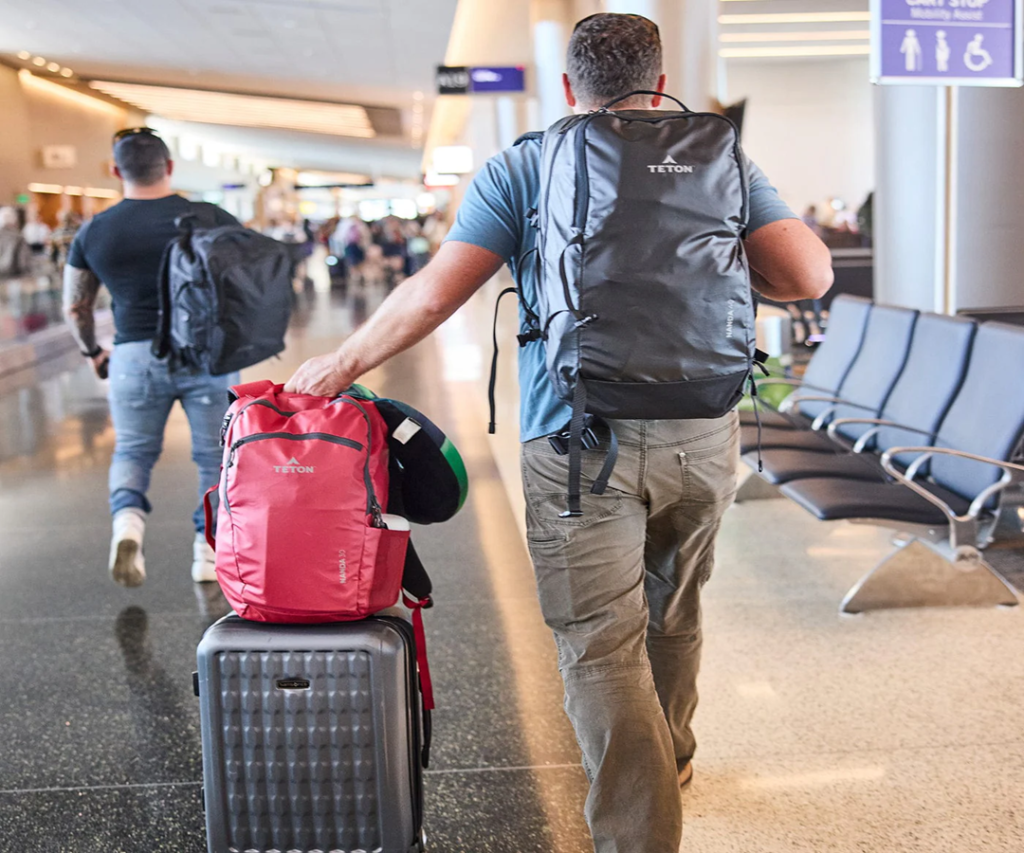
Photography Equipment Tips for Capturing the Wonders of Egypt
When planning your photography essentials for visiting Egypt, your gear should balance creativity and practicality. Here's how to pack for your trip to Egypt while respecting local customs and capturing iconic scenes:
- Camera Choice: Opt for lightweight DSLRs like the Canon EOS 6D or mirrorless models. Avoid large telephoto lenses—most shots can be achieved with versatile lenses like the Canon 24-70mm f/2.8L II. Drones are strictly prohibited; do not bring them.
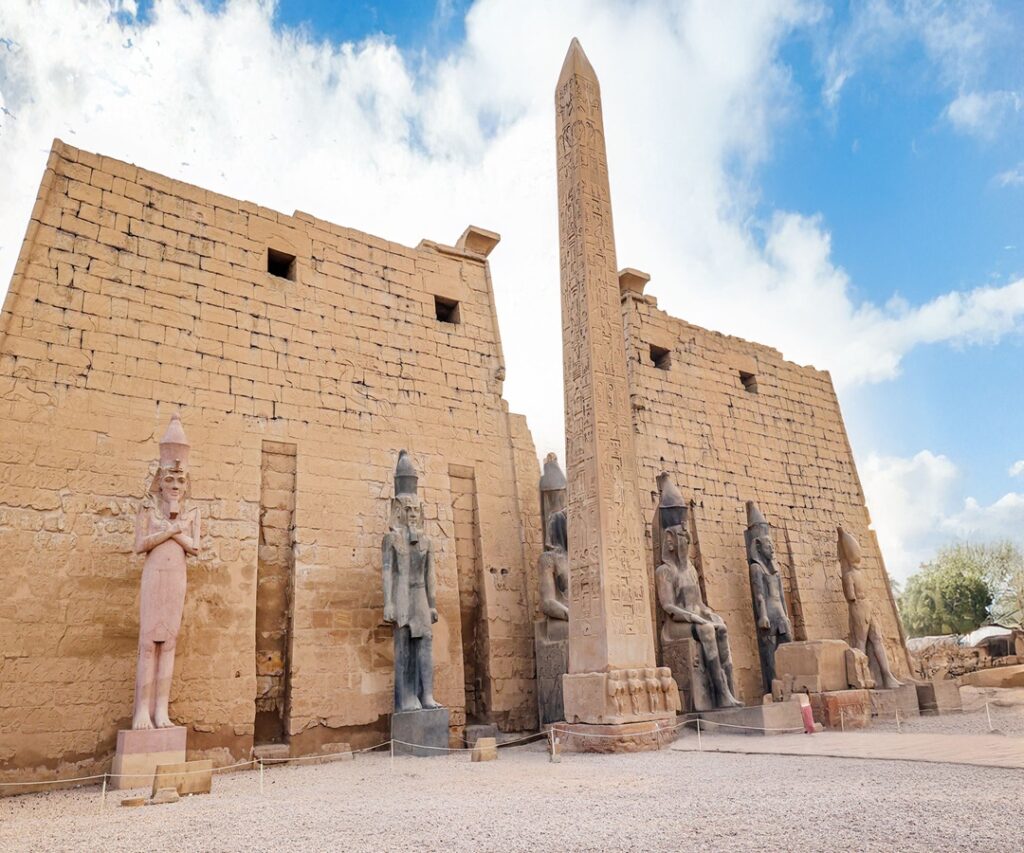
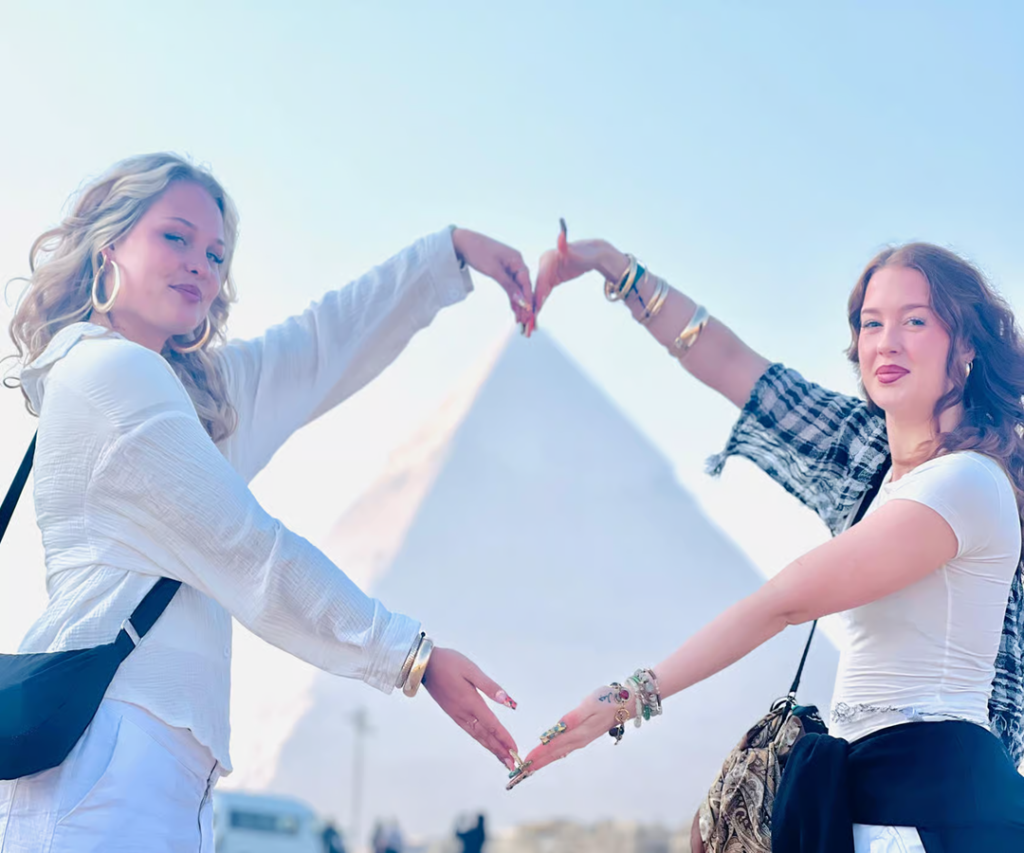
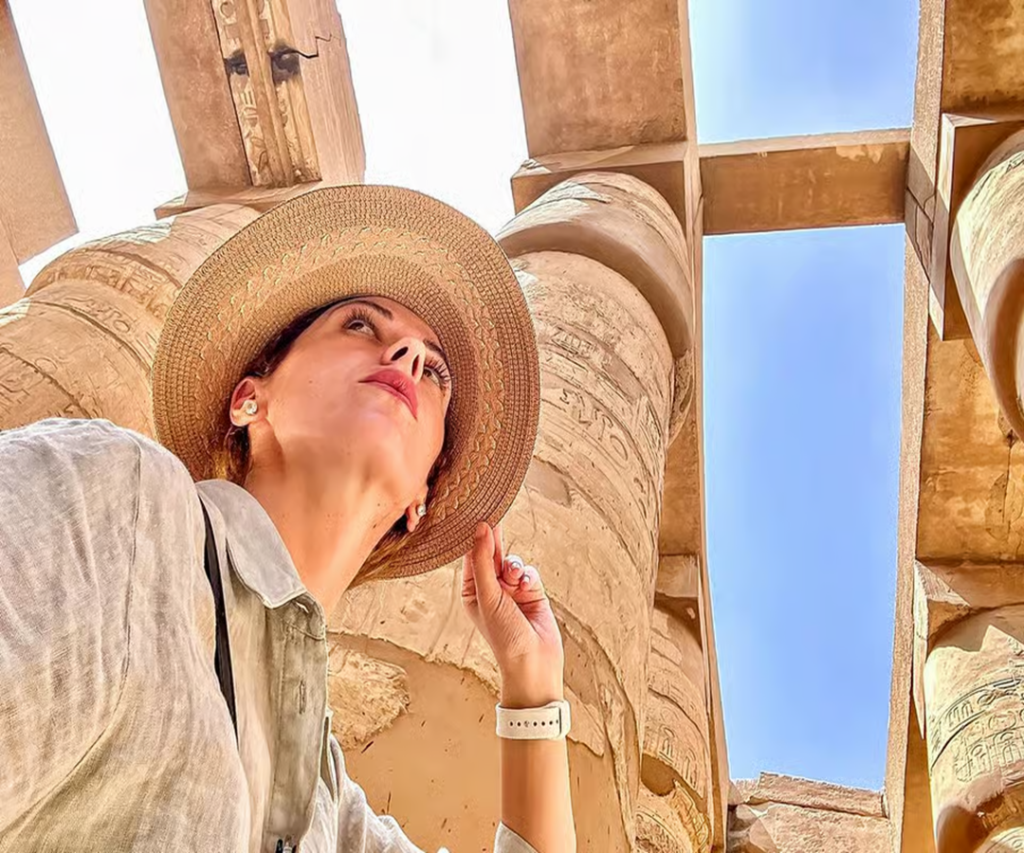
- Desert-Specific Equipment: Protect your gear with UV filters and lens hoods. Bring a microfiber cloth and a folding tripod to stabilize sunrise shots (ideally at 5:30 a.m. in front of the pyramids). For the 23-meter columns of the Temple of Karnak, experiment with low angles to emphasize their scale.
- Storage and Security: Carry spare memory cards and a portable hard drive. Use weather-sealed cases to protect your photos from sand. Shoot during the "golden hour" (30 minutes after sunrise) to capture vibrant colors without harsh shadows.
It includes a 500D series memory card for high-resolution images and a polarizing filter to reduce glare on desert surfaces. For night photography, try low-light settings—the skies of the Egyptian desert allow you to see the Milky Way up to 300 nights a year. Always check your batteries, as there may not be places to charge them in remote areas.
Remember: respect cultural sites by using discreet equipment. Pack a daypack with quick-access pockets for filters and extra batteries. With these tips, you'll return with stunning images of ancient wonders like the 3,000-year-old hieroglyphs at Karnak or the dramatic landscapes of Petra's 800 steps in Wadi Rum.
Remember: respect cultural sites by using discreet equipment. Pack a daypack with quick-access pockets for filters and extra batteries. With these tips, you'll return with stunning images of ancient wonders like the 3,000-year-old hieroglyphs at Karnak or the dramatic landscapes of Petra's 800 steps in Wadi Rum.
What Not to Pack: Items You Should Leave at Home
When packing your bag for a trip to Egypt, some things might seem useful but aren't. Here are some tips to avoid mistakes:
- Illegal Items: Do not bring CBD products, drones, or medications prohibited in Egypt. Drones require special permits, and some medications are banned.
- Culturally Sensitive Items: Do not wear clothing or carry items with LGBT symbols. Egypt is a very conservative country. Also, avoid revealing clothing to avoid attracting attention.
- Unnecessary Items: Don't bring water purification systems. Bottled water in Egypt is safe and inexpensive. Also, don't bring travel-size toiletries. You can buy brands like L'Oréal or Sensodyne at local shops. Save space by buying items like shower gel, sunscreen, and wipes at markets.
- Currency Mistakes: Don't buy Egyptian pounds before you travel. You'll get better exchange rates in Egypt. Don't carry $1 bills for tips—they're difficult to exchange. Use ATMs, like 70% of travelers do.
Stick to the essentials. Local markets have everything from sandals to first-aid kits. Focus your packing list on culturally appropriate clothing and travel documents. Avoiding these items will save space and show respect for local customs, making your trip easier.
Conclusion:
With the right luggage, your trip to Egypt will be smooth and respectful. Choose lightweight fabrics like cotton and linen for the hot days. Pack a light jacket for the cooler evenings. Don't forget sun protection. Use SPF 30+ sunscreen and a wide-brimmed hat. They are essential in the desert sun. At religious sites, dress modestly. Women should wear long skirts or trousers and modest blouses. For Nile cruises, pack a swimsuit and a cover-up.
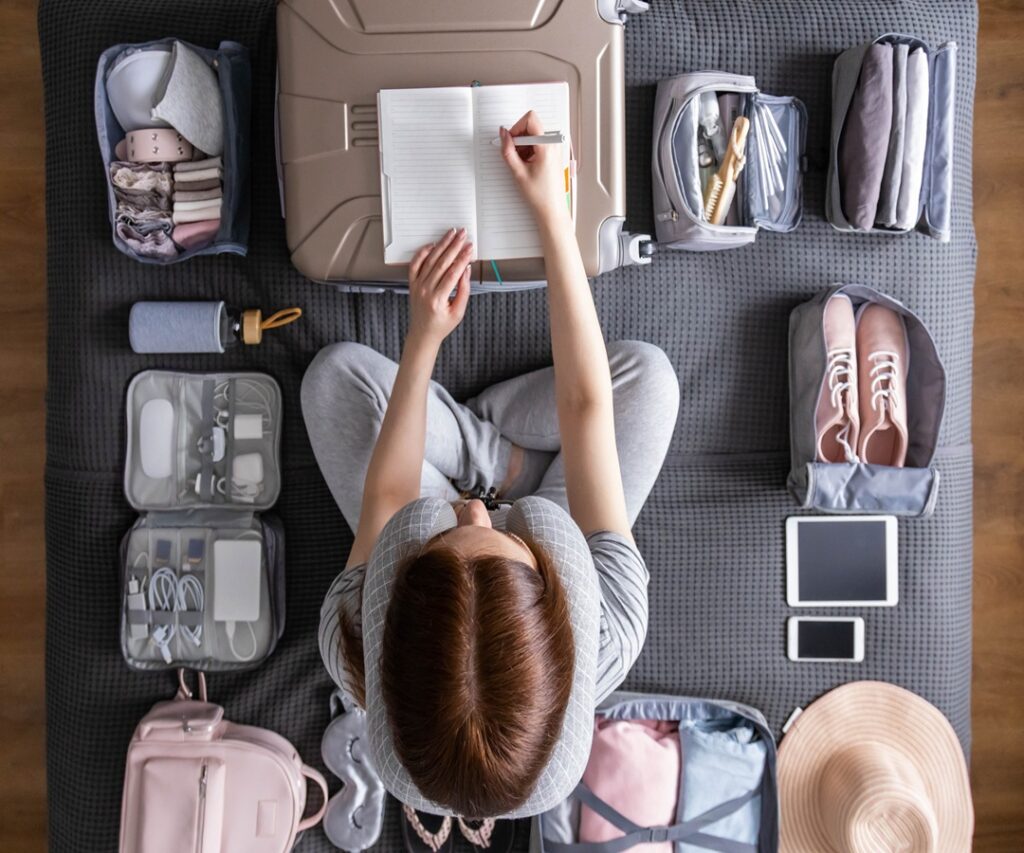
Keep your devices charged with a universal adapter. Also, pack an extra 16GB memory card for photos. A portable power bank is useful for capturing sunrises. Health is paramount: bring anti-diarrheal medication and drink bottled water. In summer, pack insect repellent. A first-aid kit is useful for minor injuries. Roll your clothes to save space and use travel organizers. This way, you can sort garments for different climates. Leave room for souvenirs like Nubian textiles.
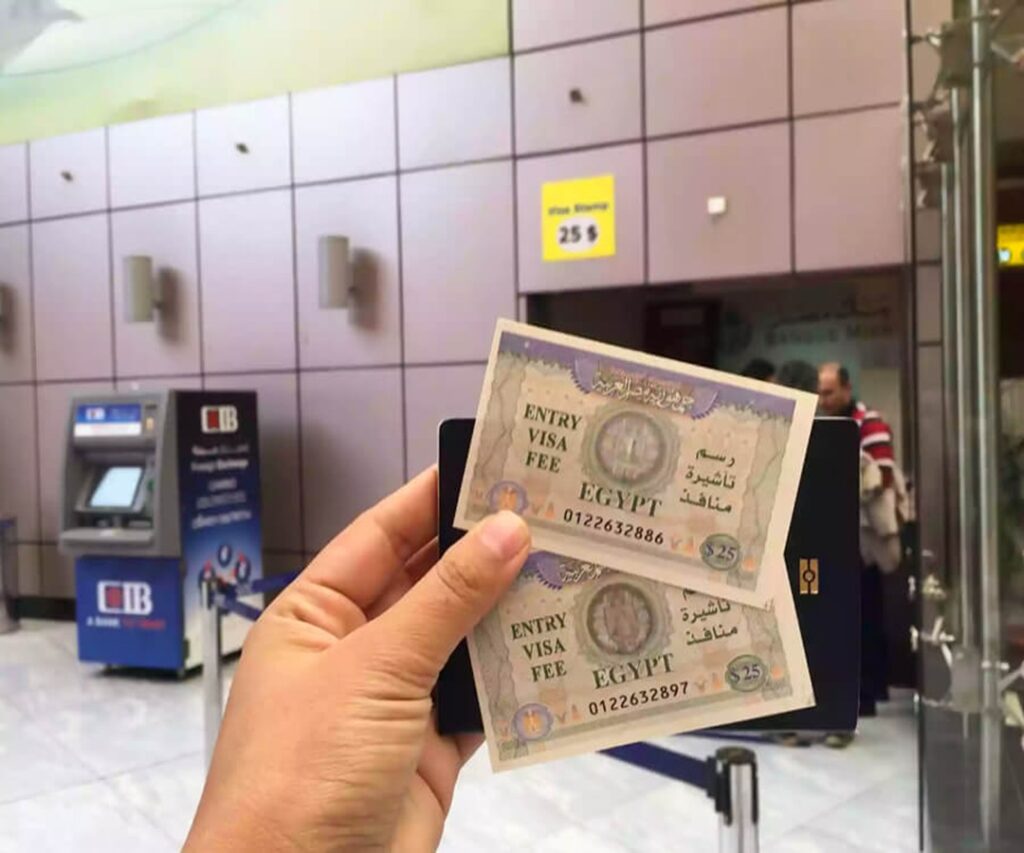
Check your documents: passport, Visa on Arrival (USD 25), and travel insurance. Bring Egyptian pounds for purchases and tips. With these tips, you'll fully enjoy the wonders of Egypt.